







What is an AI-Powered Menu?
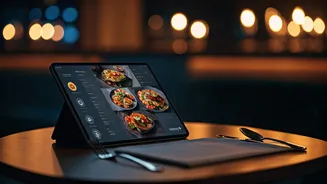
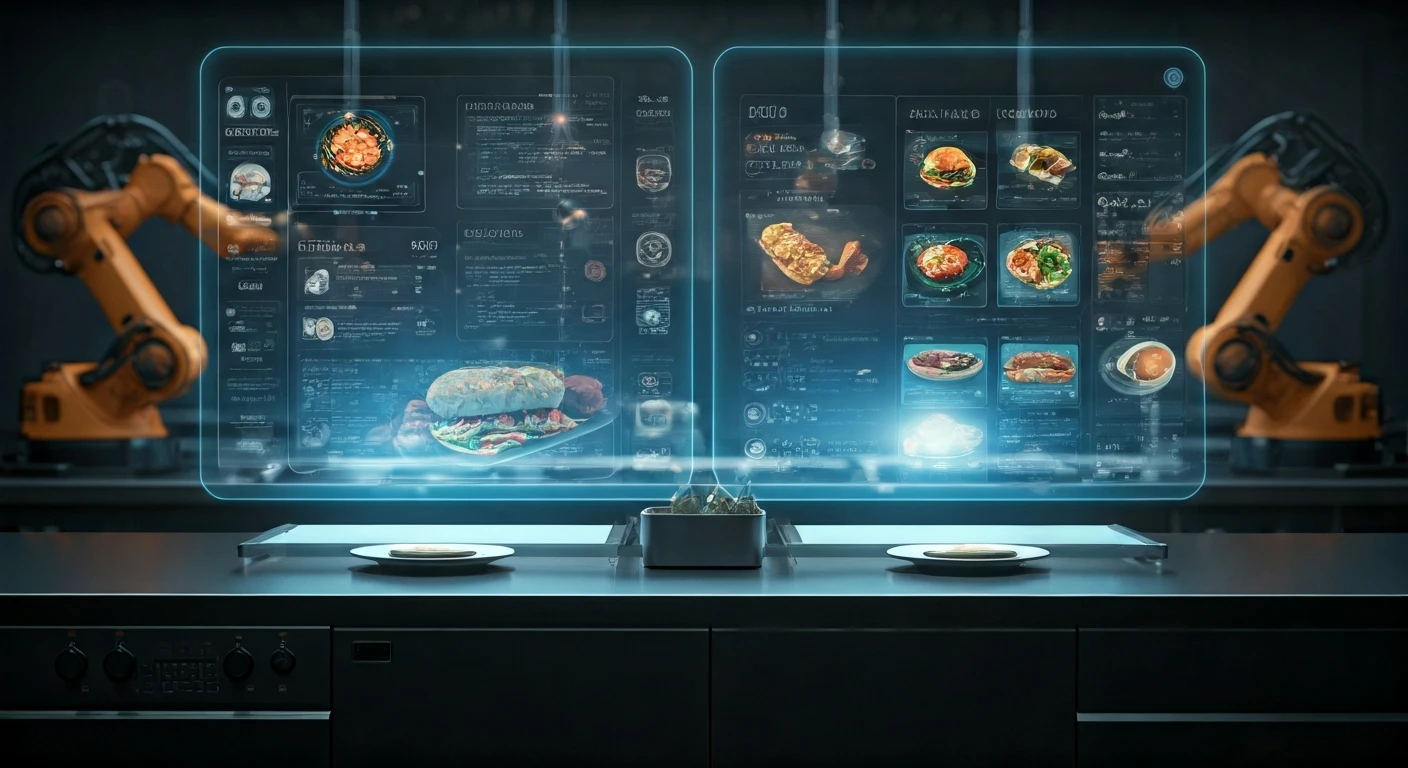
At its core, an AI-powered menu is a system that uses artificial intelligence to analyse data and make real-time decisions about what to display, how to price it, and who to show it to. Forget the static, laminated card. Think of a digital display, whether
on a kiosk, a tablet, or your own phone, that adapts based on numerous factors. These systems use machine learning algorithms to process information from sales figures, customer feedback, and even external events like weather or local holidays. The goal is to move beyond guesswork and create a menu that is perfectly optimised for both the restaurant's profitability and the customer's desires.
The Science of Promotion and Price
One of the most significant changes AI brings is dynamic pricing—a concept familiar to anyone who has booked a flight or hailed a ride-sharing service. An AI system can adjust prices automatically based on demand. For instance, it might slightly increase the price of popular items during a dinner rush or offer a discount on cold drinks during a slow, hot afternoon to drive sales. Beyond just price, AI helps decide what gets promoted. By analysing sales data, the system can identify which dishes are most profitable and popular, then suggest them more prominently. It can also help manage inventory by promoting dishes made with ingredients that are nearing their expiration, reducing food waste and protecting the restaurant's bottom line.
A Personalised Dining Experience
The technology also promises a new level of personalisation. By analysing a customer's past orders and stated preferences, an AI menu can tailor its recommendations specifically for them. If you are a vegetarian, it could highlight plant-based options. If you frequently order a certain type of wine, it might suggest a new one you are likely to enjoy. Major chains like McDonald's have already experimented with dynamic menu boards that change based on time of day or local events. The idea is to make the ordering process smoother and help diners discover new favourites, creating a feeling that the restaurant 'knows' them. This data-driven approach allows restaurants to move beyond generic service to anticipate and meet individual needs.
The Other Side of the Menu
While restaurants see clear benefits in increased efficiency and higher profits, the shift raises important questions for consumers. The prospect of dynamic pricing is polarising; while customers are used to it for flights, many are wary of seeing it on a restaurant menu, fearing they could be gouged. One survey found that over 80% of consumers would rather dine at a different time than pay 'surge' pricing at a restaurant. Furthermore, there are significant privacy concerns. For a menu to be truly personalised, it needs to collect and analyse a customer's data, which can make some diners uncomfortable. Striking a balance between helpful personalisation and intrusive data collection will be a major challenge.
The Future of Your Favourite Restaurant
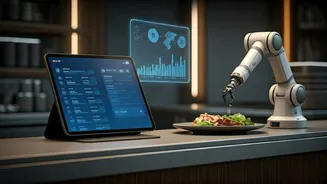
AI menus are no longer just a concept; they are being implemented in various forms, from fast-food kiosks to fine-dining establishments. However, it's not about replacing the human element. Industry experts suggest that the most successful restaurants will use AI to handle routine tasks, freeing up staff to focus on providing better hospitality. The technology is a tool to empower servers, not replace them, by providing smart suggestions they can use to start a conversation with a guest. As AI becomes more accessible, even smaller, independent restaurants will be able to leverage these data-driven strategies to compete. The technology won't fix bad food or poor service, but it will give savvy operators a powerful new way to understand their business and their customers.