





The 'Single Name' Passport Problem
One of the most significant hurdles for some Indian travellers is the UAE's strict policy on passport names. According to advisories from airlines and UAE immigration, passports must show both a given name (first name) and a surname (last name). Any passport holder
with a single name, where either the surname or given name field is blank, will likely be considered inadmissible and denied entry. This rule specifically applies to those on visit visas, visas on arrival, and other temporary visas; it does not affect existing UAE resident card holders. This is not a new rule, but enforcement has become more stringent. Airlines are instructed to bar passengers with single-name passports from boarding flights to the UAE to avoid them being turned away upon arrival. To comply, if a passport only has one name, it must be repeated in both the first and last name fields during visa application and flight booking.
Visa on Arrival: Not for Everyone
The 14-day visa-on-arrival (VOA) facility is a convenient option, but its eligibility criteria are specific and have recently changed. Indian passport holders are only eligible for VOA if they hold a valid visa or residence permit from the USA or the European Union. As of a recent update from the UAE's Federal Authority for Identity, Citizenship, Customs & Port Security (ICP), holding only a UK residence visa is no longer sufficient to qualify for VOA. This change will primarily affect travellers who previously relied on their UK residency status for easy entry. Furthermore, the qualifying US or EU visa, or a US Green Card, must be valid for at least six months from the date of arrival in the UAE. Travellers who do not meet these strict conditions must secure a visa before their trip.
E-Visa: The Safest Bet
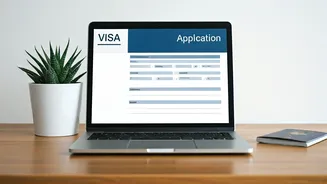
For the majority of Indian travellers, applying for a pre-arranged e-visa is the most reliable method to ensure smooth entry. With rising reports of visa rejections even for those with complete documentation, treating the application process with care is crucial. Airlines like Emirates and IndiGo, along with official channels and authorised travel agents, facilitate the e-visa process online. Applicants typically need to provide scanned copies of their passport, a recent photograph, confirmed return flight tickets, and proof of accommodation. While a bank statement is not always mandatory, having proof of sufficient funds is recommended. Available visa types usually include 30-day and 60-day single-entry options, as well as multiple-entry visas for those who need more flexibility. Applying at least a week in advance is advisable, as processing times can take three to five working days or more.
Your Pre-Travel Checklist
Before heading to the airport, a final check of your documents can prevent significant travel disruption. First, verify your passport. Ensure it is valid for at least six months from your date of entry into the UAE. Check that your passport contains both a given name and a surname. Second, confirm your visa status. If you are relying on visa on arrival, double-check that your US or EU visa meets the six-month validity requirement. If you have an e-visa, carry a printed copy. Third, have your supporting documents ready. This includes your confirmed return or onward flight ticket and proof of accommodation, such as a hotel booking. While immigration officers may not ask for everything, having these documents on hand is essential for demonstrating the purpose and duration of your visit.