






The Power Duo: Ginger and Turmeric
This combination is a cornerstone of monsoon wellness for good reason. Ginger is renowned for its ability to soothe the digestive system, combating common monsoon complaints like bloating and indigestion. [25] It also possesses powerful anti-inflammatory
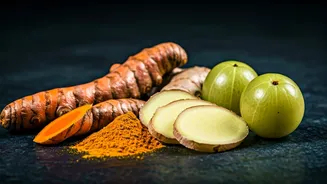
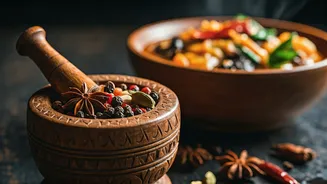
and antiviral properties that help ward off colds and sore throats. [3, 25] Turmeric, with its active compound curcumin, is a natural immunity booster. [24] It acts as an antiseptic and antibiotic, offering protection against the bacterial and viral infections that are more prevalent in the damp weather. [2, 24] A warm cup of ginger-turmeric tea or adding them generously to your curries can be incredibly beneficial. [13, 15]
Gut-Friendly Probiotics: Curd and Buttermilk
Ayurveda suggests that our digestive fire, or 'agni', is weakest during the monsoon, making us susceptible to gastrointestinal issues. [4] This is where probiotics like curd (yoghurt) and buttermilk (chaas) come in. They are rich in 'good bacteria' that help maintain a healthy gut microbiome, which is essential for both digestion and immunity. [3, 5] Opting for a bowl of curd or a glass of spiced buttermilk over heavier dairy products can help prevent stomach infections and ensure your digestive system runs smoothly. [11, 12] These fermented foods are easier to digest and help your body fight off pathogens. [2, 11]
The Gourd Family: Lauki and Karela
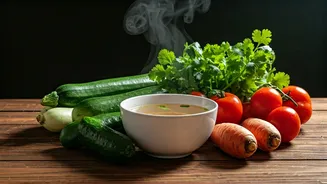
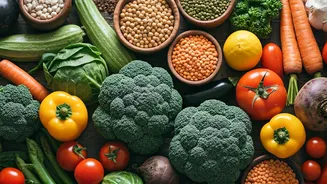
While not always the most popular vegetables, gourds are nutritional powerhouses perfect for the rainy season. Bottle gourd (lauki) is rich in both soluble and insoluble fibre, making it excellent for digestive health and preventing constipation. [9, 14] It is also light on the stomach and easy to digest. [19] Bitter gourd (karela), on the other hand, is celebrated for its immunity-boosting and antiviral properties. [6, 14] It is packed with Vitamin C and helps the body defend against common seasonal ailments like the cold and flu. [2, 6] Including these vegetables in your diet, perhaps in a simple sabzi or soup, is a wise choice.
The Defender: Garlic
Similar to its companions ginger and turmeric, garlic is a potent superfood for boosting immunity. It contains a compound called allicin, which is known for its strong antiviral and antibacterial properties. [4] Incorporating garlic into your daily meals—be it in dals, soups, or stir-fries—can help fortify your body's defences against the many infections that thrive in the monsoon's humid environment. [3, 5] Regular consumption can help protect you from common illnesses and keep your immune system in top shape during this vulnerable season. [16]
Seasonal Fruits: Jamun and Pomegranate
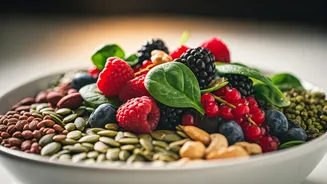
While it's wise to be cautious with raw foods, certain seasonal fruits are highly recommended. Jamun is a low-calorie fruit packed with essential nutrients like iron, folate, potassium, and vitamins. It is known to be an excellent immunity booster. [12] Pomegranate is another fantastic choice, celebrated for its rich antioxidant and antiviral properties that support the digestive system and overall health. [2, 10] These fruits provide a natural dose of vitamins and minerals that strengthen your body's ability to fight off infections. Just be sure to wash them thoroughly before consumption. [10]
Nourishing Nuts and Seeds
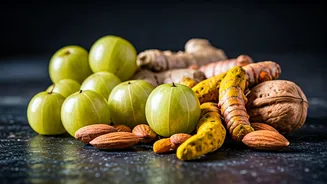
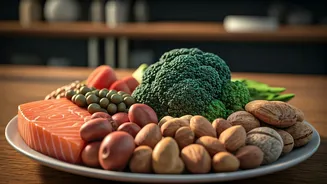
A small handful of nuts and seeds can provide a significant nutritional boost. Almonds and walnuts are particularly beneficial during this season. [7] They are rich in protein, healthy fats, and Vitamin E, a powerful antioxidant that helps strengthen the immune system and protect cells from damage. [20] These nuts can be eaten as a simple snack or added to your breakfast cereal or yogurt. They provide sustained energy and help keep your body strong and resilient against seasonal health issues. [5]