


The Magic Behind Self-Watering
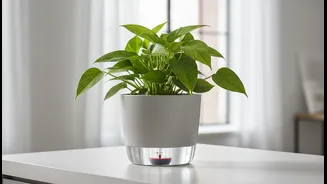
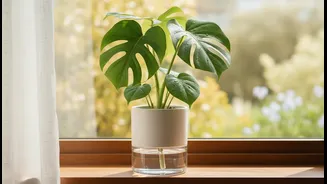
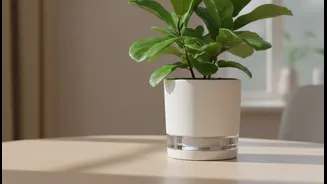
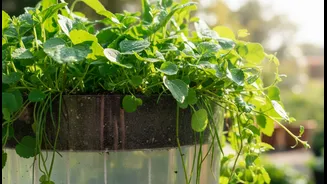
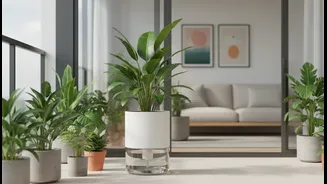
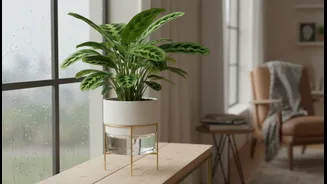
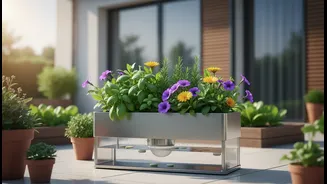
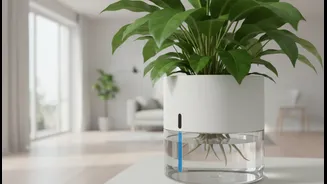
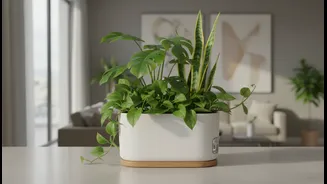
A self-watering container is a clever plant pot with two main parts: an upper compartment for the plant and soil, and a lower reservoir for storing water. These two sections are connected by a wicking system, which can be a simple piece of absorbent cord,
a strip of fabric, or even a column of soil that extends down into the water. This design allows the plant to draw water up from the reservoir as it needs it, taking the daily guesswork out of your hands. It’s a low-maintenance solution that’s gaining popularity among urban Indian gardeners juggling busy schedules.
How It Actually Works
The process relies on a natural phenomenon called capillary action. Think of how a paper towel soaks up a spill; the water seems to defy gravity as it moves through the fibres. In a self-watering pot, the same principle applies. The wicking material draws water from the reservoir up into the dry soil. As the plant's roots absorb moisture from the soil, the soil wicks up more water to replace it, maintaining a consistent level of moisture. This ensures the plant gets a steady supply of water directly to its roots, where it’s needed most.
Major Benefits for Beginners
The primary advantage is convenience and consistency. For anyone new to gardening, the biggest fear is either drowning a plant or letting it dry out. These containers prevent both extremes by allowing the plant to regulate its own water intake. This leads to healthier root systems and more robust plants. They are also incredibly water-efficient, reducing waste from evaporation or runoff, a significant benefit in Indian cities where water can be scarce. Plus, if you travel or have a hectic schedule, your plants will be fine for a week or more without attention.
Are There Any Downsides?
While useful, these containers aren't flawless. A common mistake is keeping the reservoir constantly full, which can lead to waterlogged soil and root rot, especially if the pot is not designed well. It’s also important to note that they are not suitable for all plants. Succulents, cacti, and other plants that need their soil to dry out completely between waterings will not thrive. The initial cost can also be slightly higher than for a traditional pot, and the reservoir will need occasional cleaning to prevent algae or gnats.
Best Plants for a Self-Watering Setup
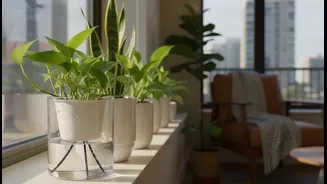
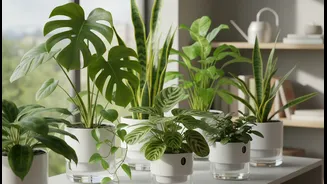
Plants that enjoy consistent moisture are perfect candidates. Think of leafy tropicals and common Indian household favourites. Peace lilies, spider plants, money plants (pothos), and various ferns thrive in these conditions. Many herbs like basil, mint, and parsley also do very well, as do vegetables like cherry tomatoes and leafy greens. These plants appreciate the steady supply of water, which encourages lush, healthy growth without the risk of drying out that can happen in a standard pot.
Tips for Getting Started
When you first pot your plant, water it from the top to moisten all the soil and help activate the wicking action. Use a high-quality potting mix rather than heavy garden soil, as it will allow for better water movement and aeration. After this initial watering, you can start using the reservoir. Don't keep it topped up to the brim all the time. Let the reservoir go empty for a day or two occasionally to allow the top layer of soil to dry out and prevent it from becoming waterlogged. Every few months, it's a good idea to flush the soil by watering from the top to wash away any mineral buildup.