



Meet Our Temporary Mini-Moon
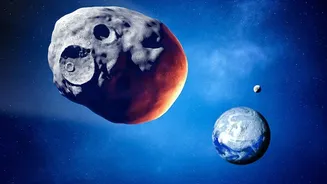
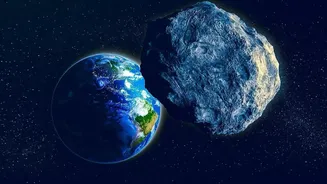
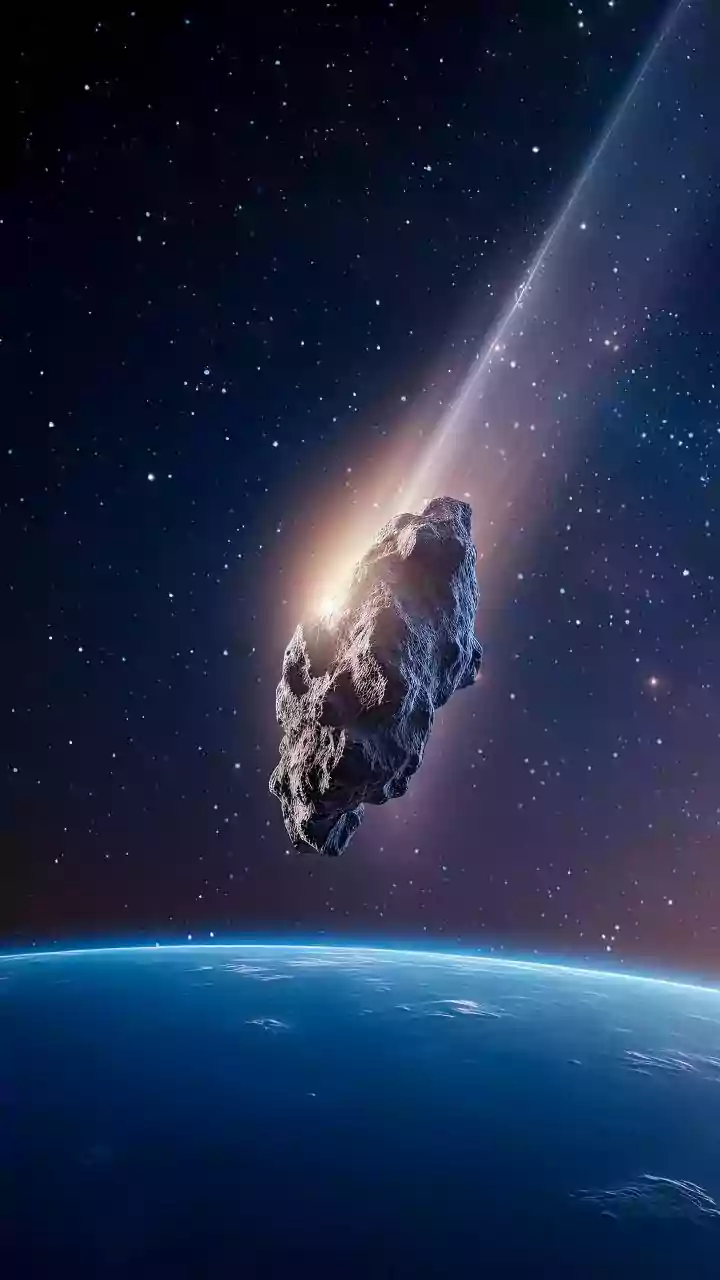
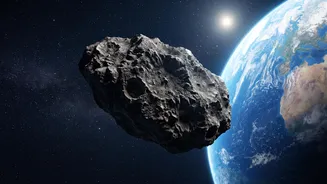
While the term 'mini-moon' might conjure images of a smaller sibling to our familiar lunar presence, the reality is a bit different. Officially designated 2026 QQ8 by the International Astronomical Union's Minor Planet Center, this object is a small asteroid,
estimated to be just two metres (about six feet) in diameter. These temporary visitors are more common than you might think; astronomers believe Earth’s gravity captures a small object like this every so often, holding it in a loose orbit for a few months or years before it continues its journey around the sun. These objects are formally known as Temporarily Captured Orbiters, or TCOs. They are incredibly difficult to spot. In fact, only a handful have ever been confirmed by astronomers, making 2026 QQ8 a rare and exciting discovery.
A Faint Signal in the Darkness
So how do you find something so small and dim in the vastness of space? The discovery was made by dedicated sky-survey projects that constantly scan the night for moving objects. Programs like the Catalina Sky Survey and Pan-STARRS use powerful telescopes to take rapid sequences of images of the same patch of sky. By comparing these images, software can flag any point of light that moves against the fixed background of stars. Initially, astronomers weren't sure if 2026 QQ8 was a natural object or a piece of old space junk, like a defunct rocket stage. It took weeks of follow-up observations from different observatories, tracking how its path was subtly affected by solar radiation, to confirm that it was indeed a natural asteroid and not an artificial satellite.
A Visitor, Not a Threat
Whenever we hear about a 'near-Earth object', the first question is often about risk. Fortunately, 2026 QQ8 poses absolutely no threat to our planet. Its orbit, while bound to Earth, is a wide, looping, and chaotic dance, at times taking it much farther away than our main Moon. Even at its closest approach, it remains at a safe distance. Furthermore, its tiny size means that even if it were on a collision course, it would almost certainly burn up harmlessly in the atmosphere, similar to the countless small meteoroids that enter our skies every day. Planetary defense programs focus on identifying much larger asteroids—those over 140 metres in diameter—that could cause significant damage on the ground. An object the size of 2026 QQ8 is more of a scientific curiosity than a planetary hazard.
Why This Tiny Rock Is a Big Deal
For scientists, 2026 QQ8 is a golden opportunity. Asteroids are considered pristine leftovers from the formation of our solar system over 4.5 billion years ago. Studying them provides invaluable clues about the ingredients that formed the planets, including Earth. Usually, studying an asteroid up close requires launching a costly deep-space mission. A temporarily captured object like this mini-moon offers a rare chance to observe a 'wild' asteroid that has come to us. By analysing the light it reflects, researchers can learn about its composition, which could reveal whether it’s a rocky body from the inner solar system or perhaps a carbon-rich object from the farther reaches of the asteroid belt. Each new mini-moon adds another piece to the puzzle of our cosmic neighbourhood.