



The Economic Drive
The most significant catalyst for this shift is simple economics. With fluctuating fuel prices and the often high cost of last-minute train or flight tickets, shared mobility presents a financially sound alternative. For students and young professionals
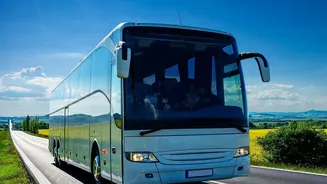
on a budget, carpooling platforms and premium shared buses transform expensive journeys into affordable trips, making it easier to visit family or explore new cities without breaking the bank. A recent survey highlighted that while safety is the top concern for travellers, affordability follows closely behind. This new frugality isn’t about being cheap; it's about being smart with money, enabling a lifestyle that still includes travel and connection, just on more sustainable terms. The savings can be substantial, with some commuters reporting that carpooling can reduce their travel costs by a significant margin compared to private cabs or driving alone.
Beyond the Budget
While affordability is the entry point, the appeal of shared travel runs deeper. A major survey from July 2026 revealed a significant behavioural shift: today’s travellers are prioritising experience over ownership. Even among those who own a car, a notable portion—over 30% in the survey—prefer not to drive themselves on intercity journeys. The reasons cited include avoiding the stress of long-distance driving and enjoying improved comfort and amenities on services like premium shared buses. There's also a growing environmental consciousness, with many young people aware that sharing rides reduces the number of vehicles on the road, cutting down on both traffic congestion and carbon emissions. Furthermore, for many, the journey itself becomes a social experience, an opportunity to network or simply connect with new people.
Technology as the Matchmaker
This entire trend is powered by technology. Mobile apps from platforms like BlaBlaCar, Quick Ride, and IntrCity SmartBus act as the digital backbone, connecting drivers with empty seats to passengers heading in the same direction. Technology was cited as 'very important' to the travel experience by over 82% of respondents in a 2026 mobility survey. These platforms have been successful because they build trust in a peer-to-peer model. Features like verified user profiles, government ID checks, user ratings and reviews, and even women-only ride options help mitigate the inherent risks of travelling with strangers. Real-time GPS tracking and transparent, fixed pricing eliminate the haggling and uncertainty often associated with other forms of transport, making the process seamless and reliable. The vast majority of activity on these platforms—around 95% for some—happens via mobile apps, underscoring how integral smartphones are to this new era of mobility.
A Reflection of a New Generation
The rise of shared intercity travel is more than a transport trend; it reflects the evolving values of young, urban Indians. This is a generation comfortable with the sharing economy, prioritising access over ownership—a mindset seen in everything from streaming services to co-living spaces. Data shows that the core user base for these platforms is overwhelmingly young, with around 70% of users on major carpooling apps aged between 18 and 34. Recent surveys confirm this, with nearly three-quarters of respondents in a large-scale mobility study falling between 18 and 43 years old. This demographic is digitally native, economically pragmatic, and socially open. Their embrace of shared travel signals a move towards more collaborative and sustainable forms of consumption, driven by a blend of practicality and modern ideals.