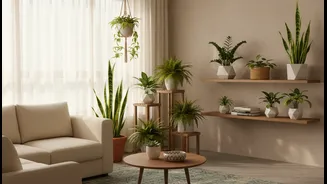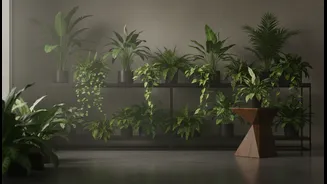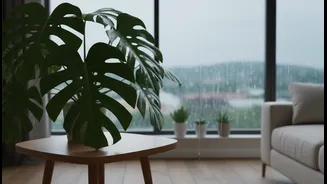




Embracing the Shadows
Bringing plants indoors does more than just beautify a space; it's a boost for your well-being. Studies have shown that indoor plants can help reduce stress, improve focus, and even enhance creativity. They act as natural air purifiers, filtering common
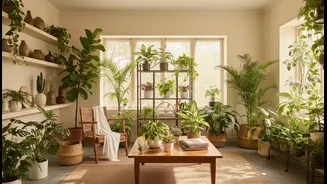
household toxins and releasing oxygen, which contributes to a healthier living environment. The good news is that these benefits aren't reserved for those with sun-drenched homes. Many popular houseplants have evolved under the dense canopies of tropical rainforests, making them perfectly adapted to thrive in lower light conditions.
What 'Low Light' Really Means
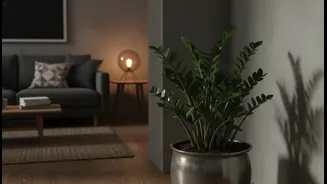
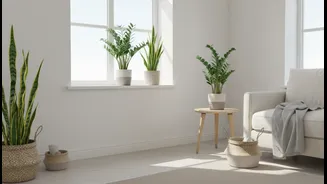
The term 'low light' is often misunderstood. It doesn’t mean 'no light'. No plant can survive in complete darkness, as all plants need some light for photosynthesis. A low-light area is typically a spot that receives no direct sun, such as a room with a north-facing window, a corner more than a few feet away from a window, or a hallway. A good rule of thumb is if there's enough light to comfortably read a book during the day, there's likely enough light for a low-light tolerant plant. It's important to note that these plants often grow more slowly than their sun-loving counterparts, which is perfectly normal.
Your Low-Light Starter Pack
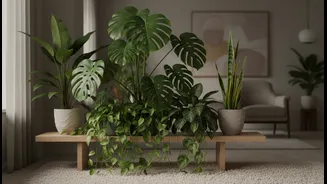
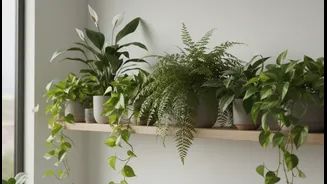
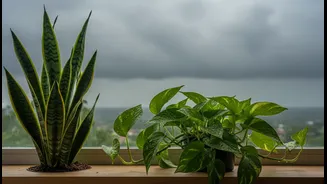
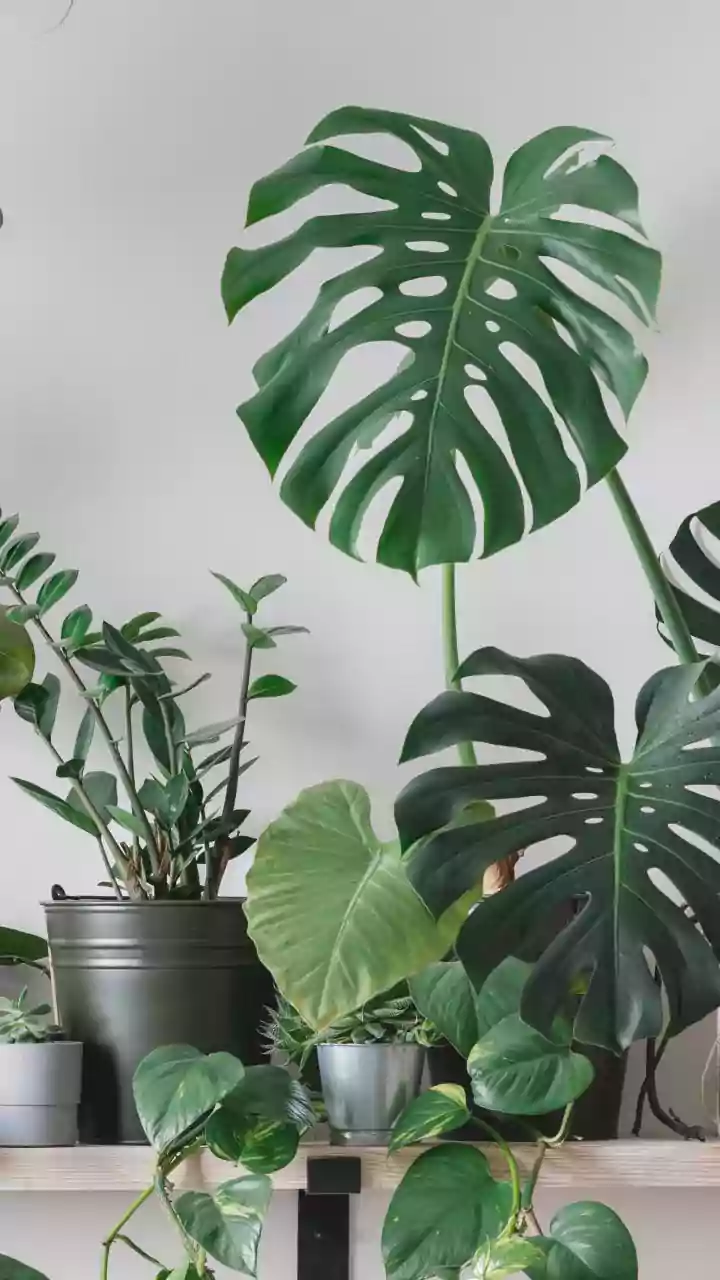
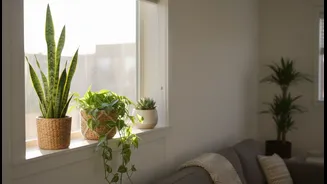
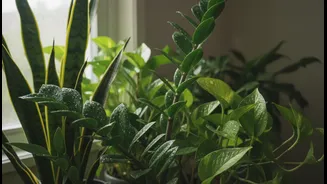
Getting started is all about choosing the right players. Some plants are famously resilient and almost thrive on neglect. For Indian homes, a few standouts are perfect for beginners. The Snake Plant (Sansevieria) is nearly indestructible, tolerates infrequent watering, and is a superstar air purifier. The ZZ Plant (Zamioculcas zamiifolia) is another tough contender with glossy, elegant leaves that can handle very low light and little water. No low-light list is complete without Pothos (Epipremnum aureum), or Money Plant, whose trailing vines look beautiful on shelves and can survive in a variety of lighting conditions. The Peace Lily, with its elegant white blooms, and the hardy Chinese Evergreen are also excellent choices that tolerate shade well.
The Golden Rule of Care: Don't Overwater
The single most common mistake in caring for low-light plants is giving them too much love in the form of water. Because these plants grow slower and receive less light, their water needs are significantly lower. Overwatering is the fastest way to kill them, leading to root rot. Always check the soil before you water. A good method is to stick your finger about an inch or two into the soil; if it feels dry, it's time to water. If it's still moist, wait a few more days. Ensure your pots have drainage holes to allow excess water to escape.
Simple Tips for Success
Beyond watering, a few simple habits can help your low-light garden flourish. Gently wipe the leaves with a damp cloth every few weeks. Dust can block the limited light from reaching the plant's leaves. It’s also helpful to rotate your plants a quarter turn every time you water them. This ensures all sides of the plant get some light exposure, promoting even growth and preventing it from leaning in one direction. Finally, since they grow slowly, low-light plants need less fertilizer. A feed once every four to six weeks during the main growing seasons (spring and summer) is usually sufficient.