




Growing fresh thyme on a windowsill or patio seems simple, but this hardy Mediterranean herb has one non-negotiable rule: it hates wet feet. The secret to a thriving potted thyme plant isn't constant care, but giving it the right foundation.
Why Drainage Is Everything
Thyme originates
from the rocky, sun-drenched hillsides of the Mediterranean. Its roots are adapted to dry, gritty conditions and are highly susceptible to rot when left in soggy soil. Overwatering is the most common reason potted thyme fails. The goal is to mimic its native habitat, which means creating an environment where water drains away quickly, allowing the roots to access oxygen. A plant with constantly wet roots is a plant that will struggle, showing signs like yellowing leaves or a wilting appearance even when the soil is damp. Giving thyme the sharp drainage it craves is more important than frequent feeding or fussing.
Choose the Perfect Pot
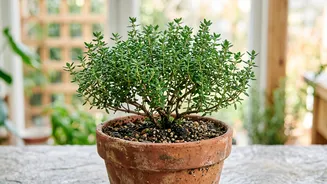
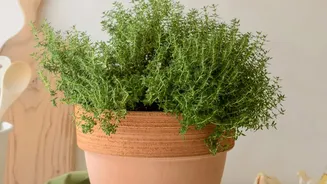
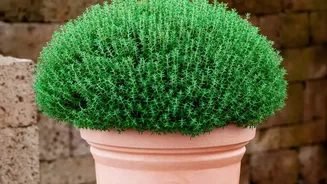
The right container is your first line of defense against waterlogging. Terracotta or clay pots are an excellent choice because the porous material breathes, helping soil dry out more evenly. If you use a plastic pot, ensure it has multiple, generous drainage holes. Regardless of material, drainage holes are non-negotiable. A pot that is roughly 15 to 20 cm wide and deep is a good starting point for a single plant. This size is large enough to hold adequate soil without staying wet for too long, which can happen with oversized containers. Always empty the saucer after watering; never let the pot sit in a puddle of water.
Create the Ideal Soil Mix
Standard potting compost on its own is often too dense and retains too much moisture for thyme. To create the perfect gritty, fast-draining medium, you'll need to amend it. A reliable recipe is to mix two parts high-quality potting mix with one part gritty material. Good options for the gritty component include coarse horticultural sand, perlite, or a dedicated cactus and succulent mix. This blend ensures water can flow freely through the pot, preventing the soil from becoming compacted and suffocating the roots. Avoid mixes marketed for 'moisture control', as they are designed to do the opposite of what thyme needs. Thyme also prefers a soil that isn't overly rich, as lean conditions produce more aromatic and flavourful leaves.
Master the Art of Watering
Forget a rigid watering schedule. The best way to know when to water is to check the soil. Poke your finger about an inch or two into the mix; if it feels dry, it's time to water. If you feel any moisture, wait another day or two. When you do water, do so thoroughly until water runs out of the drainage holes. This encourages roots to grow deeper and ensures the entire root ball is hydrated. Then, let the soil dry out almost completely before watering again. During hot summer weather, you may need to water every few days, while in winter, this could be as infrequent as once a week or less.
Sunlight and Pruning for Healthy Growth
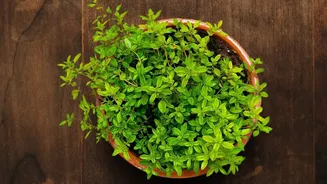
Thyme needs a lot of sun to thrive—at least six hours of direct sunlight per day is ideal. A sunny, south facing windowsill or a bright spot on a patio is perfect. Without enough light, the plant will become 'leggy', with long, weak stems and less flavourful leaves. Regular harvesting is the best way to prune. Snip off the top two to three inches of fresh, green growth, always cutting just above a set of leaves. This encourages the plant to become bushier and more compact rather than woody. The best flavour is found in the leaves before the plant flowers, so regular trimming helps prolong your harvest.