
The Magic of Natural Fermentation
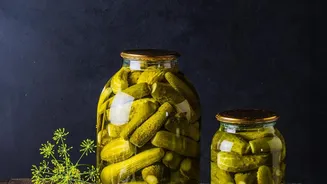
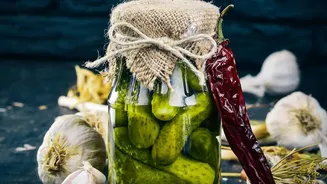
At its heart, making a fermented pickle is an act of trust in nature. Unlike the common vinegar-brined pickles found on most supermarket shelves, fermented pickles are preserved through a process called lacto-fermentation. This method doesn't rely on external
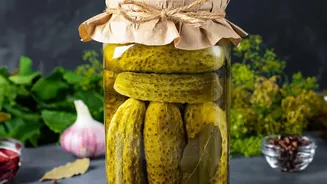
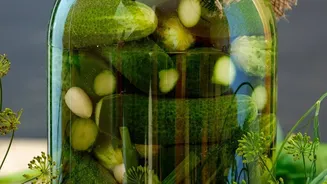
acids like vinegar or heavy oils for preservation. Instead, it harnesses the power of naturally occurring bacteria, primarily from the Lactobacillus family, that are already present on the surface of fresh cucumbers. When cucumbers are submerged in a simple saltwater brine, these beneficial microbes get to work. They begin to consume the natural sugars within the cucumbers, converting them into lactic acid. This is what gives fermented pickles their complex, tangy flavor—a taste far more nuanced than the sharp sourness of vinegar.
How Lactic Acid Becomes a Preservative
The genius of fermentation lies in its ability to create its own preservative. As the lactic acid bacteria multiply and produce more acid, the pH level of the brine drops significantly. This increasingly acidic environment becomes inhospitable to the harmful bacteria, yeasts, and molds that cause spoilage. In essence, the good bacteria create a protective shield, naturally preserving the pickles without the need for heat pasteurization or artificial additives. The salt in the brine plays a crucial role, too. It’s not just for flavor; it helps to inhibit the growth of undesirable microbes in the early stages, giving the beneficial lactic acid bacteria a competitive advantage to flourish and begin the fermentation process.
The Science of a Satisfying Snap
So, what about that all-important crunch? Many assume pickles, especially homemade ones, are destined to become mushy. However, fermentation is exceptionally good at preserving texture. The satisfying snap of a pickle comes from the integrity of its plant cell walls, which are held together by a substance called pectin. Hot vinegar solutions used in quick pickling can essentially 'cook' the cucumber, breaking down these cell walls and leading to a softer texture. In contrast, the slow, cool process of fermentation is much gentler. The salt in the brine draws some water out of the cucumber cells, which helps to firm them up. Furthermore, some traditional pickle makers add ingredients rich in tannins—like grape leaves, black tea leaves, or bay leaves—to their ferments. Tannins are natural compounds that inhibit the enzymes responsible for breaking down pectin, helping the pickles remain wonderfully crisp.
A Boost of Nutrients and Probiotics
Beyond preservation and texture, fermentation offers significant nutritional benefits. While the process can lead to a minor loss of some water-soluble vitamins, it makes other nutrients more bioavailable, meaning your body can absorb them more easily. Lactic acid bacteria can even produce new B vitamins during fermentation. But the biggest health advantage is the creation of probiotics. The finished fermented pickle is a living food, rich in the beneficial bacteria that drove the fermentation process. These probiotics are known to support gut health, aid digestion, and contribute to a robust immune system. Vinegar pickles, especially those that are heat-pasteurized for shelf stability, do not contain these live probiotic cultures.
Fermented vs. Vinegar: What's the Difference?
It's easy to get confused at the store, since both types are called 'pickles'. The key difference lies in the preservation method. Vinegar pickles are preserved in an acidic vinegar brine and are often pasteurized with heat, which means they are not a source of live probiotics. They are found on room-temperature shelves. Fermented pickles are preserved by the lactic acid created by bacteria and are teeming with probiotics. Because they are a living product, they must be stored in the refrigerator to keep the beneficial bacteria dormant and maintain quality. The flavor also differs: vinegar pickles have a sharp, one-note sourness, while fermented pickles offer a deeper, more complex tanginess that develops over time.