


Graeme Smith: The 22-Year-Old General
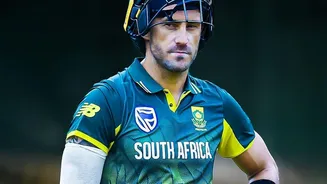
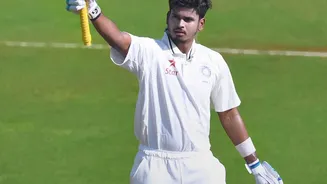
Following a disastrous 2003 World Cup campaign on home soil, South African cricket was in turmoil. Captain Shaun Pollock resigned, and the nation needed a new leader. The selectors didn't just pick a new face; they picked one of the youngest and least
experienced players in the squad: 22-year-old Graeme Smith. At the time, Smith had played only eight Tests and was an unproven entity. The decision was met with widespread shock. Entrusting a team of established stars to a player barely out of his teens seemed like an immense, almost reckless, gamble. However, it turned out to be a masterstroke. Smith quickly stamped his authority on the team, leading with a rugged, uncompromising style. He went on to become the most successful Test captain in history by wins and captained South Africa in a record number of Test matches, transforming them into the world's top-ranked team.
MS Dhoni: Captain Cool's Unexpected Rise
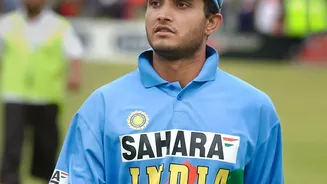
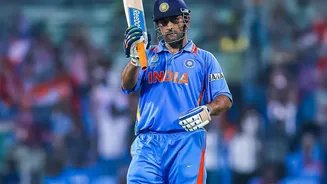
In 2007, the cricketing world was introduced to a new, fast-paced format: the T20 World Cup. India's senior stalwarts—Sachin Tendulkar, Rahul Dravid, and Sourav Ganguly—opted out, leaving the board to select a young, experimental squad. The captaincy choice was the biggest shock. Instead of turning to established vice-captain Yuvraj Singh, the selectors handed the reins to Mahendra Singh Dhoni, a long-haired, big-hitting wicketkeeper who was still relatively new to the international scene. Dhoni had a reputation for being calm, but his tactical acumen was untested at this level. The gamble paid off in spectacular fashion. Dhoni's cool-headed leadership and unorthodox field placings led India to a stunning victory, defeating arch-rivals Pakistan in a nail-biting final. This win not only kickstarted a new era for Indian cricket but also established Dhoni as one of the greatest leaders the game has ever seen, eventually leading India to wins in the 2011 ODI World Cup and the 2013 Champions Trophy.
George Bailey: Captain on Debut
Being named captain is an honour. Being named captain for your country on your international debut is almost unheard of. But that's exactly what happened to Tasmania's George Bailey in 2012. When Australia looked to refresh its T20 side, the selectors didn't just pick an uncapped player; they made him the skipper. Bailey became the first Australian since Dave Gregory in the very first Test match in 1877 to lead the side without having played a prior international game. The choice was based on his stellar leadership record in domestic cricket with Tasmania, where he was highly respected. Still, installing a complete rookie as the national T20 captain was a massive leap of faith. Bailey admitted to being nervous about both playing and leading, but his affable nature and sharp cricketing brain quickly won over the team and fans. The move proved successful, as Bailey became a mainstay in Australia's limited-overs setup and was later appointed vice-captain of the ODI team.
Sir Frank Worrell: Breaking Barriers
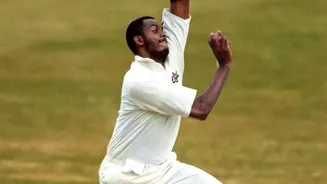
For decades, the captaincy of the West Indies was reserved exclusively for white players, regardless of the talent within the squad. By the late 1950s, Frank Worrell was already a world-class batsman and a respected figure, but the unwritten rule persisted. It took a powerful campaign, notably by writer C.L.R. James, to force a change. In 1960, at the age of 36 and past his absolute prime, Worrell was finally appointed as the first Black cricketer to permanently captain the West Indies for a full series. The surprise was not in his capability, but in the breaking of a long-standing, discriminatory tradition. Worrell's leadership was transformative. He united the talented but often fragmented players from different Caribbean islands into a cohesive and formidable unit. His first series in charge, against Australia in 1960-61, is legendary for its exciting play and the first-ever tied Test, which revitalized interest in the game globally.