




An Ecosystem Under Pressure
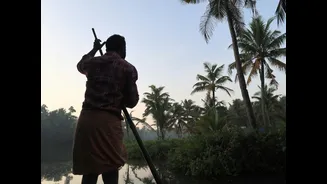
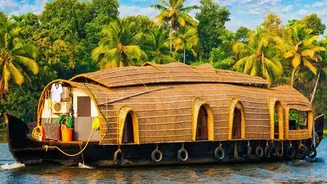
Kerala’s freshwater ecosystems, including the famous Vembanad Lake, are more than just a pretty postcard. They are a lifeline for millions, supporting everything from fishing and farming to tourism. But these intricate networks of rivers, lakes, and wetlands
are facing an existential threat. Studies show an alarming trend: the ecosystems are shrinking, the water is becoming more polluted, and biodiversity is plummeting. For instance, the area of Vembanad Lake has shrunk by over 40% since the early 20th century, and its water-holding capacity has dropped by a staggering 85% since 1990. This is a result of a combination of factors, including illegal construction, agricultural runoff, and the dumping of industrial and plastic waste. One study found over 4,000 tonnes of plastic garbage in the sediment of just one section of the lake.
The View from Above
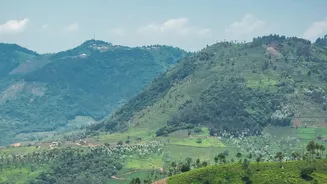
To understand the full extent of this loss, researchers are turning to the sky. High-resolution satellite imagery has become an indispensable tool. By comparing images taken over several decades, scientists can precisely map the shrinking boundaries of wetlands and paddy fields. This remote sensing technology allows them to track large-scale changes that would be impossible to monitor from the ground alone. For instance, studies using satellite data have documented how the average depth of Vembanad Lake has decreased from around 8.5 metres in the 1930s to less than 3 metres in many parts today due to siltation and encroachment. This 'big picture' data is crucial for convincing policymakers of the urgency of the situation and has even been endorsed by the Kerala High Court for settling land-use disputes.
DNA in the Water
Beyond physical changes, scientists need to know what’s happening to the life within the water. One of the most cutting-edge techniques is the analysis of environmental DNA, or eDNA. Every creature, from the smallest fish to the largest mammal, sheds traces of its DNA into the environment through skin cells, waste, and other secretions. By simply collecting water samples, researchers can extract and sequence this eDNA to create a comprehensive list of the species present, including those that are rare or difficult to find. This non-invasive method provides a powerful snapshot of biodiversity. In Kerala, it can help track the decline of native fish, which have seen a 40% drop in diversity in some areas, and the worrying spread of invasive species like tilapia that are disrupting the natural food web.
A Chemical Fingerprint
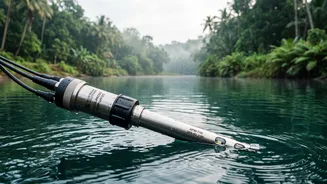
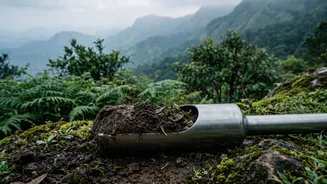
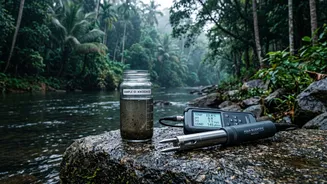
Tracking loss isn't just about what's disappearing; it's also about what's being added. Detailed chemical analysis of water and sediment samples helps create a 'fingerprint' of pollution. Researchers at institutions like Cochin University of Science and Technology (CUSAT) conduct rigorous testing for a range of pollutants. They measure parameters like dissolved oxygen, acidity (pH), and nutrient levels from agricultural runoff. They also test for the presence of heavy metals, pesticides, and microplastics. Studies have confirmed alarming concentrations of microplastics and heavy metals like zinc and copper in fish and clams, indicating that these pollutants are moving up the food chain and posing a direct threat to both the ecosystem and human health.
From Data to Action
The data gathered from satellites, eDNA, and chemical tests is not just for academic papers. It forms the scientific backbone for conservation policy and action. Recently, Kerala launched a project to create an 'Ecosystem Red List', using the IUCN framework to formally assess the risk of collapse for its key ecosystems. The research provides the evidence needed to prioritize areas for restoration, manage tourism more sustainably, and regulate pollution from houseboats and industry. Community-based initiatives, such as the annual Vembanad Fish Count organised by groups like ATREE, also play a vital role, combining scientific methods with local knowledge to monitor the health of the ecosystem and advocate for its protection. This multi-pronged approach, blending high-tech science with on-the-ground action, represents the best hope for Kerala's fragile freshwater jewels.