



An Ancient Grain’s Modern Revival
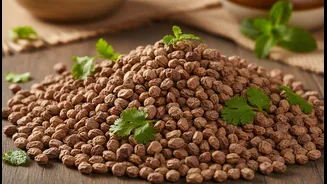
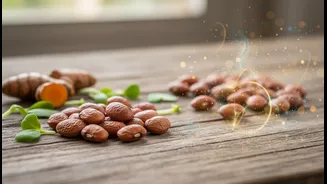
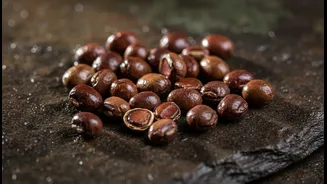
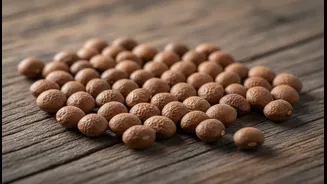
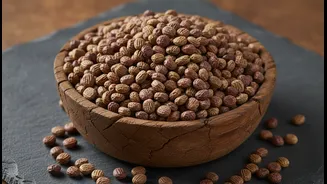
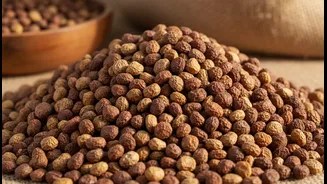
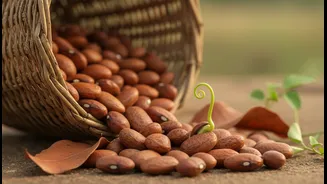
Across India, it goes by many names: kulthi in Hindi, kollu in Tamil, and hurali in Kannada. But whatever you call it, horse gram is a pulse with a story stretching back millennia. Archaeological evidence shows it has been cultivated on the subcontinent
for over 4,000 years, and it holds a special place in ancient texts like the Vedas and Ayurvedic scriptures. For centuries, it was a resilient, dependable food source, especially in drier regions where other crops struggled. Despite its rich history, horse gram was often labelled as a 'food for the poor' or primarily used as feed for cattle and horses, from which it derives its English name. This perception caused it to be overlooked in many modern kitchens, overshadowed by more common lentils. Now, a renewed interest in traditional ingredients and wellness is bringing this forgotten legume back into the limelight.
The Original Indian Superfood
The renewed buzz around horse gram is well-deserved, thanks to its stellar nutritional profile. It's a plant-based protein powerhouse, containing nearly twice the protein of some cereal grains. For vegetarians and vegans, it’s an excellent source of this crucial macronutrient. But its benefits don’t stop there. Among pulses, horse gram boasts the highest calcium content and is exceptionally rich in iron, phosphorus, and dietary fiber. It is also naturally low in fat and packed with powerful antioxidants like polyphenols and flavonoids, which help combat oxidative stress in the body. This combination of high protein, high fiber, and low fat makes it incredibly satiating, keeping you fuller for longer. Its rich mineral content contributes to bone health and helps maintain energy levels, making it a true functional food that nourishes from within.
Why It’s Back in the Spotlight
Several factors are driving horse gram’s resurgence. The global wellness movement has put a premium on nutrient-dense, natural foods, a category where horse gram excels. Its reputation in traditional medicine for aiding a variety of ailments is now being explored by modern science. Studies suggest its potential benefits in managing blood sugar levels, thanks to a low glycemic index that prevents sharp spikes in glucose. It's also traditionally consumed for its diuretic properties, believed to help in preventing and treating kidney stones. Beyond personal health, there's a growing appreciation for sustainable and climate-resilient crops. Horse gram is incredibly hardy, capable of thriving in drought-prone areas with minimal resources, making it an environmentally smart choice for farmers and consumers alike.
From Traditional Rasam to Creative Cuisine
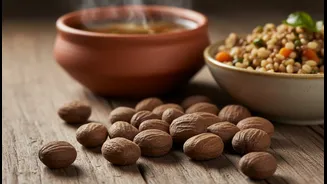
The true sign of horse gram’s comeback is its versatility in the kitchen. While beloved traditional preparations like Kollu Rasam—a warming South Indian soup often used as a remedy for colds—are timeless, chefs and home cooks are finding new ways to incorporate it. The headline’s promise of soups, bowls, and staples is being realised across the country. Hearty, protein-packed soups are perfect for a light dinner. Sprouted horse gram is being tossed into vibrant salads and grain bowls for an added crunch and nutritional boost. Furthermore, the availability of horse gram flour has opened up even more possibilities. It can be mixed with wheat flour to create nutritious parathas or added to dosa and idli batter for a healthy twist on breakfast classics. From savoury tikkis to wholesome porridges, horse gram is proving it can fit into any meal of the day.
How to Get Started with Horse Gram
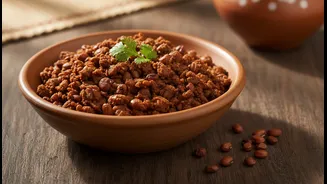
Cooking with horse gram is simple, but it requires a little planning. Like many dried beans, it’s essential to soak the lentils before cooking. An overnight soak of at least 8-12 hours is ideal to soften them, reduce cooking time, and make them easier to digest. After soaking, the most efficient way to cook them is in a pressure cooker until they are tender. Once cooked, you can use them in countless ways. A great starting point is a simple dal, seasoned with ginger, garlic, and tomatoes, similar to a rajma masala. You can also add the cooked lentils to vegetable stir-fries or blend them into a creamy soup. For a quick and easy snack, try a sundal by tempering the boiled lentils with mustard seeds, curry leaves, and grated coconut. Don’t be afraid to experiment; this versatile pulse can absorb a wide range of flavours.