
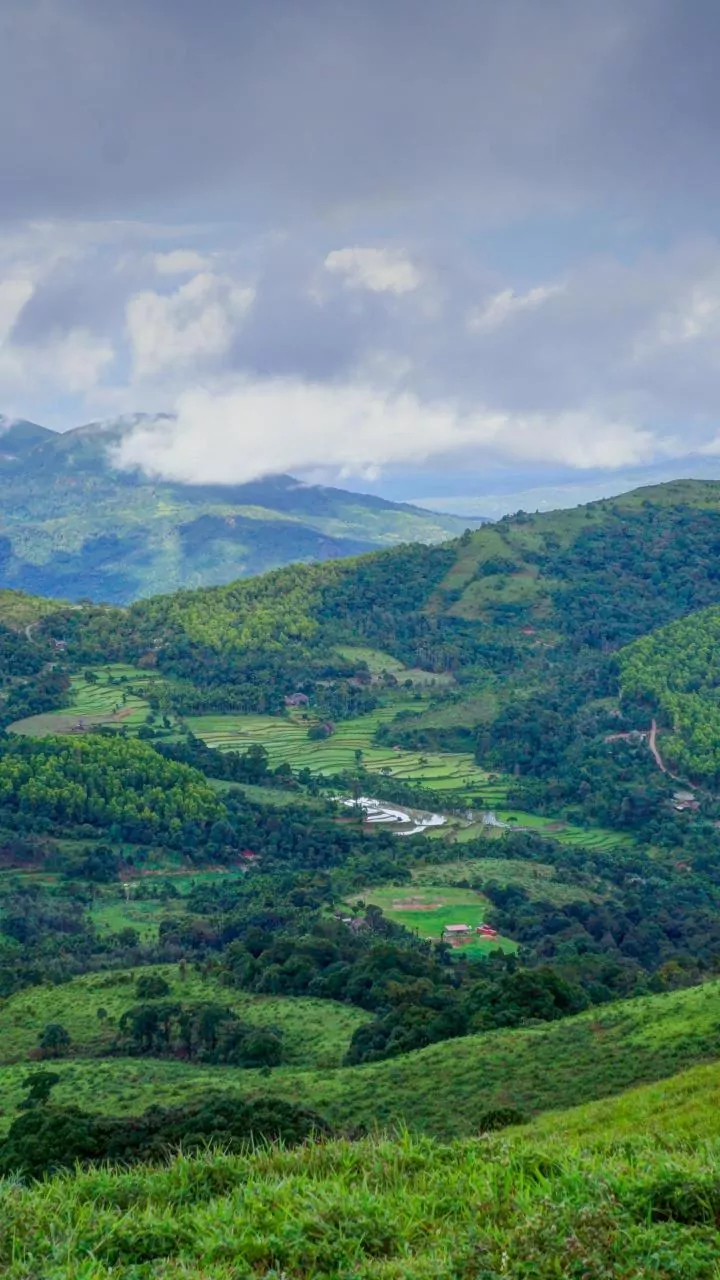






Haflong: The Misty Hill Station
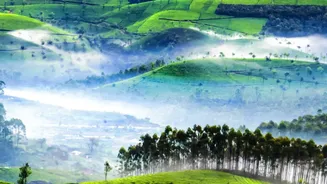
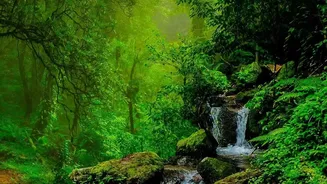
Known as Assam's only hill station, Haflong becomes a realm of clouds and mist during the monsoon. The landscape, a rolling expanse of green hills and valleys, is best enjoyed at a slow pace. Waterfalls, newly birthed by the rains, cascade down hillsides,
and the serene Haflong Lake reflects the moody, cloud-filled sky. It is the perfect atmosphere for quiet contemplation, leisurely walks through villages, and simply watching the mist drift by from a cosy cottage. While some official sources advise avoiding heavy monsoon, for the prepared traveller, the season unveils a beauty unseen at other times of the year, with lush greenery and a tranquil atmosphere.
Majuli: An Island Adrift in Serenity
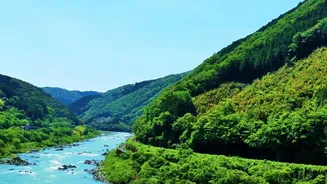
The world's largest river island takes on a different character in the monsoon. While the swollen Brahmaputra can make access challenging, those who make the journey are rewarded with unparalleled solitude. The island becomes a vibrant green paradise, its paddy fields shimmering under the rain. Life slows down, pulsing to the rhythm of the weather. The monsoon is a time for quiet cultural immersion; visit the ancient Vaishnavite Satras (monasteries), where chants echo above the sound of rainfall, or share stories over hot tea with local Mising families. It is an experience that is raw, authentic, and deeply peaceful for the adventurous soul.
Dibrugarh: A Sojourn in the Tea Capital
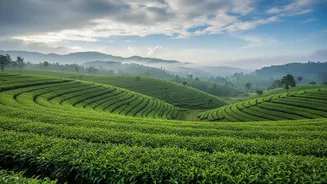
There is perhaps no more quintessential Assamese monsoon experience than sipping tea while watching rain fall over a tea garden. Dibrugarh, the heart of Assam's tea country, offers just that. Stay in a heritage colonial bungalow, once home to British planters, set amidst acres of lush plantations. The days here are meant for leisure: take a guided walk through the tea bushes when the rain subsides, learn about the tea-making process, and enjoy the slow, colonial-era pace of life. The air is thick with the scent of wet earth and fresh tea leaves, creating a restorative and luxurious escape.
Deepor Beel: A Wetland Reawakened
Just outside Guwahati, the Deepor Beel, a permanent freshwater lake and Assam's only Ramsar site, comes alive during the monsoon. The lake, a former channel of the Brahmaputra, serves as a natural stormwater basin for the city and transforms into a thriving ecosystem. Its surface becomes a carpet of water lilies and other aquatic plants. For birdwatchers and nature lovers, it's a quiet haven. The rains attract a variety of resident and migratory birds, and the entire landscape feels refreshed and vibrant. A boat ride on its calm waters offers a peaceful retreat from the city and a chance to witness nature in its most nourished state.
Embracing the Journey
Travelling in Assam during the monsoon requires a flexible mindset. While the main national parks like Kaziranga and Manas are often partially or fully closed, the focus shifts to these quieter, atmospheric destinations. Roads can be challenging, and plans may need to change with the weather, but that is part of the appeal. It's a chance to trade a packed itinerary for spontaneous moments of beauty: discovering a hidden waterfall, sharing a cup of chai in a village stall, or simply listening to the symphony of the rain. Pack quick-drying clothes, waterproof gear, and a good book, and prepare to discover a side of Assam that is reserved for the patient traveller.