




Why Smog Is So Harsh on Your Eyes
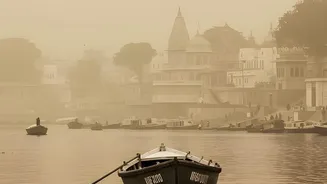
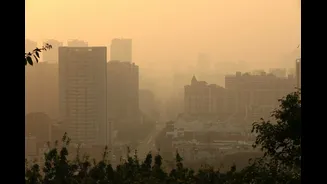
Delhi's smog is a complex cocktail of harmful pollutants, including fine particulate matter (PM2.5), nitrogen dioxide, sulphur dioxide, and carbon monoxide from vehicle exhaust, industrial emissions, and crop burning. Unlike our respiratory system, our eyes
have no filter. These microscopic particles and gases directly land on the surface of the eye, disrupting the tear film. This thin, liquid layer is essential for keeping the eye lubricated, clean, and nourished. When pollutants compromise it, the tears can evaporate too quickly, leading to the primary complaint during smog season: dry eye syndrome. This disruption causes inflammation and leaves the eye's surface vulnerable to irritation and allergies.
Recognising the Warning Signs
The body is quick to signal when the air quality is affecting your eyes. The symptoms of pollution-related eye strain can appear within minutes or hours of exposure. Many people report an immediate feeling of discomfort when stepping outside on a high-smog day. Common warning signs include a persistent burning or stinging sensation, redness, and excessive watering as the eyes try to flush out the irritants. Many also experience a gritty feeling, as if a foreign body like sand is stuck in the eye. Vision can also be affected, sometimes becoming temporarily blurry because the unstable tear film can't properly focus light. For those with pre-existing conditions or who wear contact lenses, these symptoms are often more severe.
Simple Steps for Everyday Protection
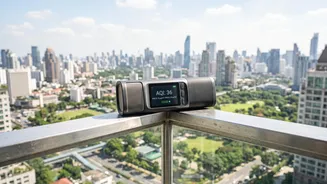
While you can't avoid the smog entirely, you can take simple, effective measures to shield your eyes. The most straightforward defence is physical. Wear well-fitting, wraparound sunglasses or even zero-power protective glasses every time you go outdoors. This creates a barrier that prevents many pollutants from reaching your eyes. On days with a very high Air Quality Index (AQI), it's wise to limit time spent outdoors. If you wear contact lenses, consider switching to glasses, as lenses can trap particles against your cornea, increasing irritation. Indoors, using an air purifier can significantly reduce the concentration of airborne irritants in your home or office. Staying well-hydrated by drinking plenty of water also helps your body maintain adequate tear production.
Soothe and Cleanse the Right Way
To manage irritation, many ophthalmologists recommend using preservative-free lubricating eye drops, also known as artificial tears. These can be used several times a day to help restore moisture and wash away pollutants. However, it's crucial to avoid 'redness-reducing' drops, as they can cause rebound redness and mask underlying problems. While it may be tempting, avoid rubbing your eyes, as this can worsen irritation and potentially scratch the cornea. It's also a common mistake to frequently wash your eyes with tap water; this can strip away the natural tear film and exacerbate dryness. Instead, gently wash your face and eyelids after coming in from outside to remove any settled particles.
When to Consult an Eye Specialist
For many, the discomfort is temporary and subsides in a cleaner environment. However, you should not ignore persistent symptoms. If the irritation, redness, or pain continues for more than a couple of days despite taking precautions, it is essential to see an eye doctor. Seek immediate medical attention if you experience severe pain, a sudden and significant change in your vision, or notice any discharge from your eyes. These could be signs of a more serious condition, such as a severe allergic reaction, an infection, or even damage to the cornea that requires professional diagnosis and treatment.