






The Deceptive Dangers of Wet Roads
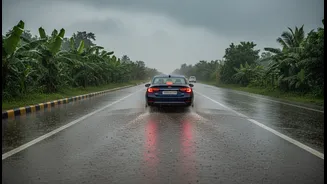
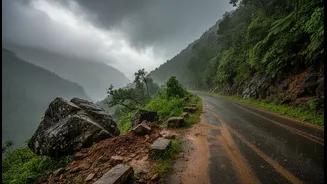
The most significant change during monsoon is the road surface itself. Heavy rains lead to waterlogging, which can conceal deep potholes, open drains, and other hazards that can severely damage your vehicle or cause an accident. Braking distance increases
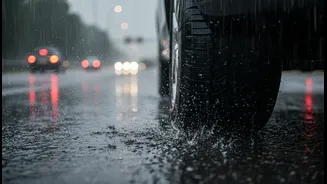
significantly on wet roads, sometimes by as much as 40-50%, making skidding more likely. Another common risk is hydroplaning, where your tyres lose contact with the road and ride on a thin layer of water, leading to a complete loss of control. This is especially dangerous at higher speeds. Poor visibility from heavy downpours and fog further compounds these risks, making it harder to spot pedestrians, other vehicles, and unexpected obstacles.
Your Pre-Monsoon Vehicle Checklist
Before you even think about a rainy drive, a thorough vehicle check is non-negotiable. Start with your tyres; they are your only connection to the road. Ensure they have adequate tread depth—at least 3mm is recommended to effectively channel water and maintain grip. Next, inspect your brakes. They are under extra stress in wet conditions, so listen for any unusual noises and ensure the brake fluid is at the correct level. Wipers are your first line of defense against poor visibility. If they leave streaks or make noise, replace them immediately. Also, top up your windshield washer fluid with a proper cleaning solution, not just water. Finally, test all your lights: headlights (use low beams in rain to avoid glare), tail-lights, and indicators are crucial for seeing and being seen.
Smarter Driving in Heavy Rain
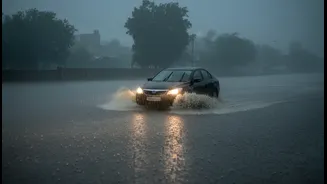
Safe monsoon driving goes beyond simply slowing down. Double your following distance from the usual three seconds to at least six to account for longer braking times. Avoid sudden acceleration, hard braking, and sharp turns, as these can easily cause a skid. When you see a puddle, slow down. You never know how deep it is or what it might be hiding. Never attempt to drive through a flooded street if the water is deeper than the bottom of your car's bumper, as it can get sucked into the engine and cause catastrophic damage, a condition known as hydrostatic lock. If visibility becomes extremely poor, it's safer to pull over to a safe location, away from moving traffic, and wait for the rain to subside.
Stay Informed and Plan Your Route
Spontaneity has its charms, but not during the monsoon. Before starting your journey, check the latest weather forecasts and traffic updates for your route. Heavy rainfall can cause sudden road closures, landslides in hilly areas, and severe waterlogging in cities. As of early July 2026, authorities have issued alerts for heavy rainfall, flash floods, and landslides in several states, including Himachal Pradesh, Maharashtra, and Kerala. Being aware of these warnings allows you to postpone non-essential travel or choose a safer, alternative route. Keep your phone charged and listen to local news for real-time information during your trip.
Your Monsoon Car Emergency Kit
Being prepared for the worst can make all the difference. Your car's monsoon emergency kit should contain a few key items. A powerful, waterproof flashlight is essential for visibility. A first-aid kit, a tow rope, and jumper cables can handle common roadside issues. Pack a high-visibility reflective vest, an umbrella, and a raincoat. It's also wise to keep extra drinking water, non-perishable snacks, and a fully charged power bank for your phone. If you get stranded, these items can turn a dangerous situation into a manageable inconvenience.
If Your Car Stalls in Water
If you find your car stuck in floodwater and the engine stalls, the single most important rule is: do not try to restart it. Attempting to crank the engine can force water into the cylinders and destroy it. If the water is rising, your priority is your safety. Unlock the doors, unbuckle your seatbelt, and try to get out through a window if possible. Abandon the vehicle and get to higher ground immediately. Only after the water has receded should you arrange for your car to be towed to a mechanic for a professional assessment.