


The 2026 Monsoon: A Mixed Picture
The 2026 monsoon season has been a story of contrasts. Overall, cumulative rainfall from June to mid-September was approximately 15% below the long-period average. While some regions experienced deficits, others saw heavy downpours, leading to a varied
impact across the country. A strengthening El Niño has been a key factor, typically suppressing monsoon rainfall over India. The season saw a significant deficit in June, which was partially offset by heavy rains in July, before deficits returned in August and September. This uneven distribution of rain is set to shape the landscape for winter tourists.
Himalayan States: Caution and Beauty
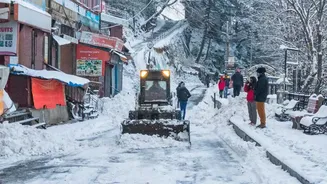
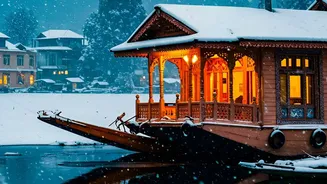
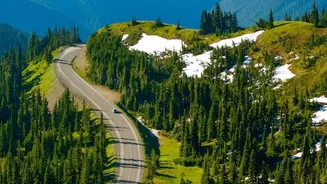
For those dreaming of a snowy winter in Himachal Pradesh and Uttarakhand, the monsoon's legacy is twofold. The season brought heavy rainfall, cloudbursts, and landslides, particularly in districts like Mandi, Kullu, and Kangra. As of mid-September 2026, dozens of roads remained blocked, presenting a challenge for authorities and travellers. While the rains have caused significant disruption, the moisture could translate into a good snowpack for the upcoming winter season, delighting ski enthusiasts and those seeking a white Christmas. However, travellers are advised to be cautious, check road statuses frequently before and during their journey, and remain flexible with their itineraries as restoration work continues.
Rajasthan: A Thirstier Winter?
A good monsoon typically leaves Rajasthan's lakes full and its arid landscapes tinged with green, making it perfect for winter heritage tours. However, the 2026 monsoon has been less generous in parts of the state. Many districts faced rainfall deficits, and reservoir levels have been a concern. By early August, overall reservoir storage in the state was significantly lower than the previous year. While popular tourist hubs like Udaipur and Jaipur will still be captivating, the water levels in some lakes might not be as high as in previous years. Travellers can still expect pleasant weather for exploring forts and palaces, but the lush, post-monsoon vibrancy may be more subdued in certain areas.
Goa & Kerala: Green and Ready for Tourists
The coastal destinations of Goa and the backwaters of Kerala, both classic post-monsoon getaways, appear well-positioned for the winter season. The rains have left the landscapes exceptionally green and replenished the waterways, which is great news for those planning houseboat trips in Kerala. Goa has already seen a strong influx of visitors, even during the monsoon months, and is gearing up for a busy winter with an expected increase in international charter flights. While a monsoon deficit was noted for Kerala, the core tourism infrastructure remains robust. Both states are focusing on promoting experiences beyond the beaches, including wellness, heritage, and nature trails, offering a diverse holiday experience.
Your Pre-Travel Checklist
Given the mixed impact of the monsoon, smart planning is more crucial than ever for your winter 2026-27 trip. First, for mountain travel, always check the latest road advisories and weather forecasts from official sources like the IMD. Booking accommodations with flexible cancellation policies is a wise move, especially for regions prone to access issues. Secondly, for destinations like Rajasthan, it may be worth checking with local hotels about the current conditions of lakes and natural attractions if that is a key part of your itinerary. Finally, regardless of your destination, consider travel insurance that covers disruptions due to weather. A little preparation will ensure that you can fully enjoy the unique beauty that a post-monsoon India has to offer.