








The TCS 'Cut' Explained
Recent government budgets have significantly changed the Tax Collected at Source (TCS) landscape for Indian travellers. The headline news from Budget 2026 was a major simplification for those buying tour packages: the previous complicated system of 5%
and 20% tax slabs was replaced with a flat 2% TCS on the entire package cost, with no minimum threshold. This move was designed to reduce the large upfront cash outflow that travellers previously faced. For other foreign spending under the Liberalised Remittance Scheme (LRS), such as loading a forex card or sending money abroad for general travel purposes, the rule is different. There is no TCS on the first ₹10 lakh spent in a financial year, but a 20% rate applies to any amount above that limit. This ₹10 lakh threshold was an increase from a previous ₹7 lakh limit, providing further relief.
Why TCS Isn't Really a Cost
Here’s the most crucial point many people miss: TCS is not an additional tax you lose forever. It is an advance tax collected on behalf of the government and credited against your PAN. When you file your Income Tax Return (ITR), the total TCS amount is adjusted against your final tax liability. If the TCS paid is more than what you owe in taxes, you receive the difference as a refund. So, while a lower 2% TCS on tour packages is a welcome relief for your immediate cash flow, it doesn't actually make the trip cheaper in the long run. It simply means less of your money is locked up with the tax department until you file your returns. Understanding this distinction is key to seeing the bigger financial picture.
Unmasking the Real Hidden Costs
The focus on TCS can often distract from the numerous other expenses that truly inflate a travel budget. These are the costs that aren't advertised in bold letters. Visa fees, for instance, go beyond the basic application cost and can include charges for documentation, biometrics, and mandatory travel insurance. Another major budget drain is currency exchange. Using your domestic credit or debit card abroad often incurs a forex markup fee of 2.5% to 3.5% on every single transaction. A particularly sneaky trap is Dynamic Currency Conversion (DCC), where you're offered to pay in Indian Rupees abroad. Accepting this can result in a terrible exchange rate, costing you 5-8% more than paying in the local currency.
Smarter Spending Strategies Abroad
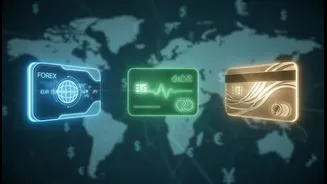
Managing the real cost of travel is about making informed choices. To combat high forex markups, consider using a multi-currency forex card, which typically has lower conversion charges. When paying by card, always choose to be billed in the local currency to avoid the DCC trap. For daily expenses, relying on public transport like metros and buses is almost always cheaper than using taxis or ride-hailing apps for every trip. Similarly, eating at local cafes and street food stalls provides a more authentic and affordable experience than tourist-centric restaurants. Also, be mindful of costs that are often excluded from initial bookings, such as city taxes or resort fees which are payable directly at the hotel, and hefty baggage fees charged by budget airlines.
Building a Realistic Travel Budget
A successful foreign trip begins with a realistic budget that accounts for all potential expenses, not just flights and hotels. Start by researching visa-friendly destinations to minimize initial costs. Book flights two to three months in advance and be flexible with your travel dates to find better prices. When calculating your budget, create specific allocations for categories that are often overlooked: local transport, food, visa processing, travel insurance, and even a small fund for shopping or souvenirs. Factoring in these hidden costs from the start ensures you have a clear picture of the total financial commitment. This proactive planning prevents the post-vacation shock of having spent far more than you intended and allows for a stress-free experience.