



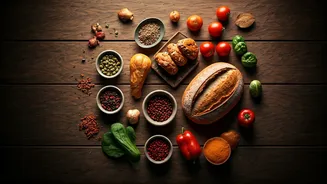



More Than Just a Meal
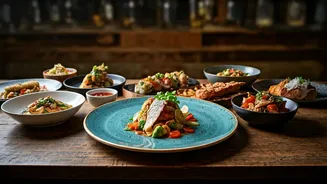
This movement has a name: culinary tourism, or gastronomy tourism. It’s the practice of travelling specifically to explore a destination's unique food and beverage culture. This isn't just about ticking off famous restaurants from a list. It’s an immersive
experience that goes far beyond the dinner plate. It’s about understanding where food comes from, how it’s made, and the stories it tells about a place and its people. Think of it as sightseeing with your taste buds, where every flavour is a landmark and every recipe is a piece of history.
The Search for Authenticity
So why is this trend exploding now? In a world of filtered photos and curated experiences, travellers are craving authenticity. We no longer want to just see a place; we want to feel it, taste it, and connect with it on a deeper level. Food is a universal language and one of the most powerful gateways into a culture. Learning to cook a traditional dish from a local grandmother in her home, tasting wine with the person who grew the grapes, or navigating a bustling market with a guide who knows every vendor by name—these are the kinds of genuine, memorable experiences that culinary travel offers. It’s an antidote to the cookie-cutter tourist trail.
A Taste of India
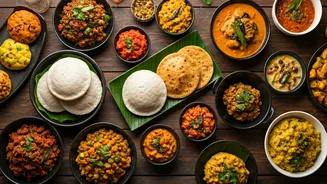
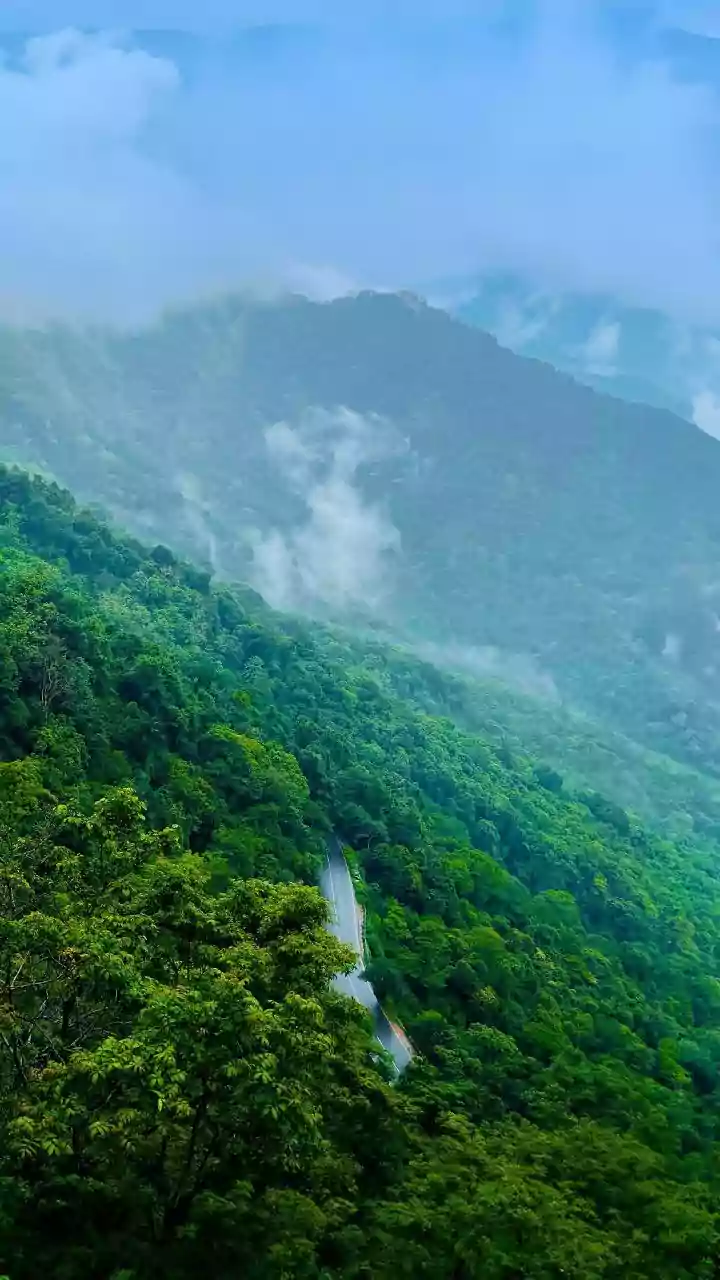
India, with its incredible diversity of cuisines, is a paradise for the food-focused traveller. The trend is taking root here in fascinating ways. Imagine a trip to Kerala not just for the backwaters, but for a spice plantation tour where you can smell, touch, and taste cardamom and black pepper at their source. Picture a journey to Lucknow built around discovering the city’s legendary kebabs, from the famed Tunday to hidden street-side gems. You could plan a holiday in Goa centred on learning to cook a perfect seafood curry, or travel through Rajasthan from one royal kitchen to the next, understanding the nuances of Rajput cuisine. These trips turn a vacation into a story you can taste.
Driven by a New Generation
The rise of the “foodie” traveller is also being fuelled by a desire for experiences over possessions. Millennial and Gen Z travellers, in particular, prioritise spending on unique activities that create lasting memories and, yes, great social media content. A perfectly plated thali or a video of a chef pulling fresh mozzarella is more valuable to them than a standard souvenir. This digital-savvy generation uses food as a way to discover and share their travel stories, inspiring others to seek out similar authentic encounters. Food has become a visual, shareable, and highly desirable part of the modern travel narrative.
How to Plan Your Own Food Trip
Getting started is easier than you think. You don't have to be a professional chef or a seasoned food critic. The key is curiosity. Instead of planning your trip around monuments, start by researching the local cuisine. What is the region famous for? Look for local cooking classes, guided street food walks, or farm-to-table experiences. Visit local markets early in the morning to see the vibrant produce and daily life. Ask for recommendations from your hotel staff or taxi driver—not for the fanciest restaurant, but for where they would go for a comforting, authentic meal. The goal is to follow your appetite and let it lead you to unexpected and wonderful places.