

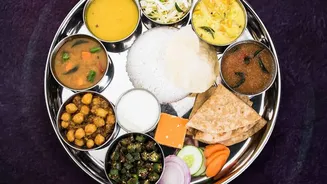

The Healthy Plate Method: A Simple Visual Guide
Forget complicated calorie counting. The most effective way to build a balanced meal is the 'Healthy Plate Method'. This concept, adapted for Indian cuisine, suggests dividing your plate into three sections. Imagine a line down the middle of your plate.
Then, divide one of the halves into two, creating three portions in total. This visual cue makes portion control intuitive. The goal is to ensure a mix of all necessary food groups in the right proportions at every major meal, a principle supported by India's National Institute of Nutrition (ICMR-NIN) 'My Plate for the Day' guidelines.
Half Your Plate: Vegetables, The Colourful Foundation
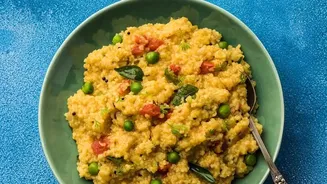
The largest section, a full half of your plate, should be filled with non-starchy vegetables. This is where Indian home cooking truly shines. Think of a generous serving of your favourite sabzi like bhindi, lauki, or a mixed vegetable curry. A fresh kachumber salad with cucumber, tomato, and onion also fits perfectly here. Filling half your plate with vegetables ensures you get ample fibre, vitamins, and minerals. This fibre helps you feel full, aids digestion, and slows the release of sugar into your bloodstream, which is crucial for sustained energy.
One-Quarter Plate: Protein, The Powerhouse
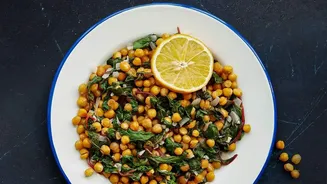
A quarter of your plate should be dedicated to protein. This is essential for building muscle, repairing tissues, and keeping you feeling full for longer. For vegetarians, this quadrant is easily filled with a katori of dal, chana masala, rajma, or a serving of paneer. Soya chunks and tofu are also excellent options. For non-vegetarians, this space can be occupied by a piece of grilled fish, a chicken curry, or boiled eggs. A bowl of curd (dahi) or a glass of buttermilk (chaas) served alongside your meal also contributes to your protein intake.
One-Quarter Plate: Carbohydrates for Energy
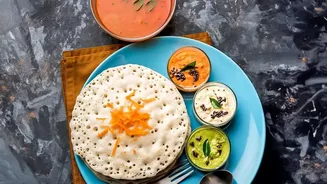
The final quarter is for carbohydrates, which are your body's primary source of fuel. This includes staples like roti and rice. Opt for one or two medium-sized whole-wheat rotis or a small bowl of rice. To make this section even healthier, choose whole grains. Brown rice, millets like jowar and bajra, and whole-wheat atta are better choices than their refined counterparts like white rice or maida. These complex carbohydrates are digested more slowly, providing steady energy without causing sharp spikes in blood sugar.
What About Fats, Pickles, and Papad?
Healthy fats are a necessary part of a balanced diet. A small amount of ghee on your roti or the oil used for cooking your dal and sabzi is usually sufficient. A handful of nuts and seeds can also be a great source of healthy fats. Traditional accompaniments like achaar (pickle) and papad are best enjoyed in moderation. While they add flavour and texture, they can be high in salt and oil. Think of them as a flavour enhancer, not a main component of the meal.
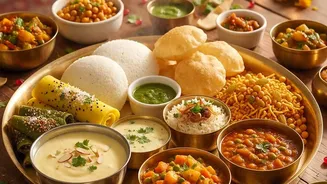
Bringing It All Together: A Sample Balanced Thali
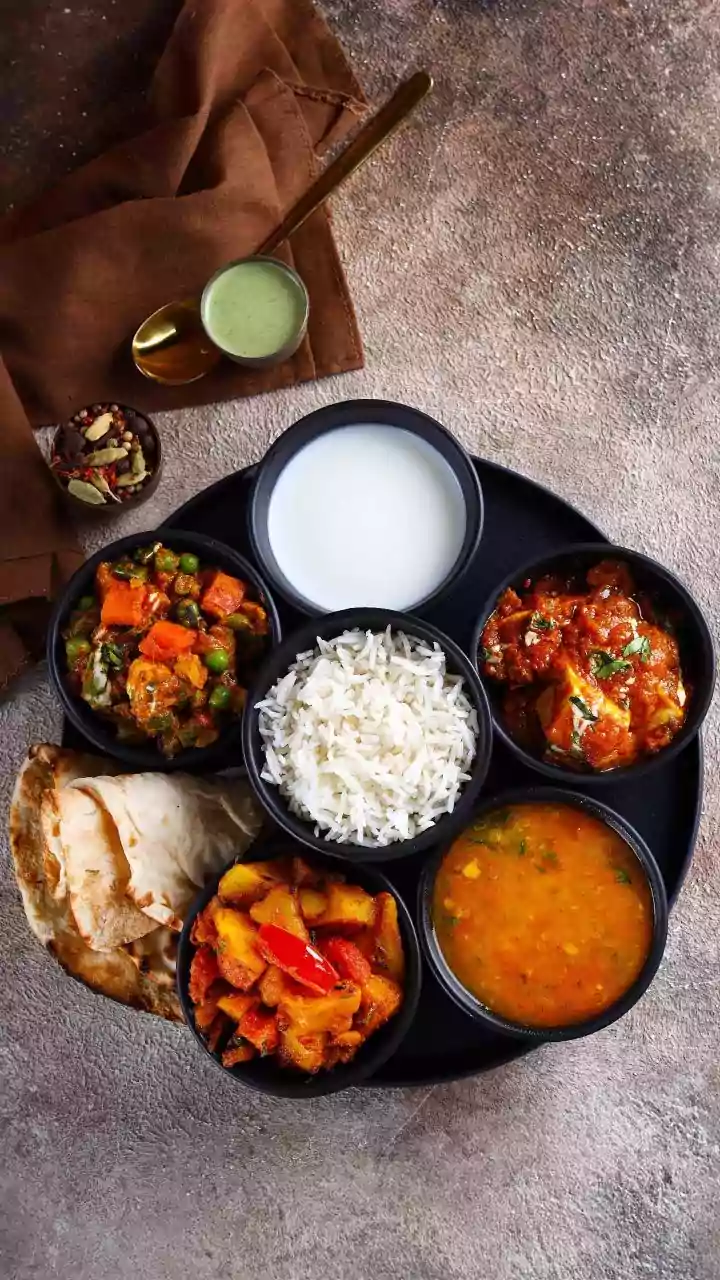
So, what does this look like in practice? A perfectly balanced and familiar Indian meal could be: two whole-wheat rotis (carbohydrates), one katori of moong dal (protein), a large helping of cabbage sabzi (vegetables), and a side of cucumber and tomato salad (more vegetables). Another example could be a small bowl of brown rice (carbohydrates) with rajma (protein) and a generous portion of stir-fried bell peppers and carrots (vegetables), served with a bowl of curd (protein). The combinations are endless and can be adapted to any regional cuisine.