






Every festive season, India’s e-commerce and logistics networks are put to the test. But a quiet, significant shift is underway. The massive seasonal workforce that powers these deliveries is no longer concentrated only in big metropolitan hubs.
The Shifting Centre of Gravity
For years,
the story of seasonal hiring in India was a metro-centric one. Cities like Bengaluru, Delhi, and Mumbai were the primary hubs for sourcing temporary workers needed to handle the festive rush. Now, the script is flipping. A significant portion of this seasonal employment is moving to Tier-2 and Tier-3 cities like Jaipur, Lucknow, Indore, Coimbatore, and Bhubaneswar. According to staffing firms, these smaller cities now account for a substantial share of the festive hiring pie, with some estimates suggesting their contribution has risen to over 50%. This isn't just a minor adjustment; it's a structural rebalancing of India's logistics workforce, driven by a confluence of economic and strategic factors. The hiring growth rate in these non-metro areas is reportedly outpacing that of the major cities, indicating a long-term trend rather than a temporary spike.
What's Fuelling the Change?
Several key drivers are behind this decentralisation. The most significant is the explosive growth of e-commerce and quick commerce beyond the metros. As companies chase consumers in India's heartland, their logistics and fulfilment networks must follow. It's more efficient to hire and deliver locally than to route everything through a distant metropolitan hub. Secondly, there's a clear cost advantage. Operating in Tier-2 cities allows companies to benefit from lower real estate and labour costs, which can reduce overall logistics expenses by a significant margin. Finally, a major enabler has been the dramatic improvement in national infrastructure. Government initiatives like the Bharatmala Pariyojana and the development of dedicated freight corridors have significantly improved road and rail connectivity, making smaller cities viable logistics centres. This enhanced infrastructure reduces transit times and makes supply chains more reliable.
From Mega-Warehouses to Micro-Hubs
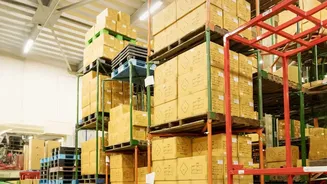
This trend is also changing how logistics companies design their networks. Instead of relying solely on massive, centralised warehouses in metro areas, firms are adopting a more distributed model. This involves setting up smaller regional distribution centres, micro-fulfilment hubs, and last-mile delivery stations in hundreds of smaller cities. Amazon, for instance, has been expanding its network with a strong focus on Tier-2 and Tier-3 locations, creating seasonal opportunities in cities like Varanasi, Kochi, and Salem. This 'hub-and-spoke' model allows companies to store inventory closer to customers, shortening delivery times and improving service levels. For seasonal hiring, it means recruiting local talent that understands the regional geography, leading to more efficient last-mile delivery—the most critical and complex part of the e_commerce journey.
Economic Impact on Cities and Workers
The decentralisation of seasonal logistics jobs has a dual benefit. For metro cities, it eases the immense pressure on their infrastructure and labour markets during peak seasons. For Tier_2 and Tier_3 cities, it's a significant economic boon. This trend creates thousands of temporary jobs, injecting income into local economies and providing employment opportunities for young people and first_time job seekers. These roles, which include delivery executives, warehouse workers, and customer service representatives, are becoming a crucial part of the festive economy in these regions. While many of these jobs are temporary, they offer valuable work experience and can serve as a gateway to longer_term employment in a rapidly growing sector. It represents a strategic move to tap into new talent pools and build a more resilient, geographically diverse workforce.
Challenges and the Road Ahead
Despite the clear momentum, this shift is not without challenges. Skill gaps can be an issue, and companies often need to invest in training for new_age operational roles that are increasingly technology_driven, such as inventory control and data support. Ensuring consistent infrastructure quality across all regions also remains a work in progress. Furthermore, the temporary nature of these jobs means that creating sustainable, year_round employment remains the next frontier. However, the direction of travel is clear. By leveraging the workforce and strategic locations of Tier_2 cities, India's express logistics sector is building a more efficient, resilient, and distributed supply chain. This not only helps manage the seasonal surge but also reduces the historic over_reliance on a handful of major metros, spreading economic benefits more widely across the country.