


There is immense joy in watching your home garden flourish, but few things are as frustrating as a sudden pest invasion. Before reaching for harsh chemicals, consider two powerful, natural allies: neem oil and simple soapy water.
Why Choose Natural Sprays?
Opting for natural pest
control is about more than just killing bugs; it's about fostering a healthy ecosystem. Chemical pesticides can be indiscriminate, harming beneficial insects like bees and ladybugs that help your garden thrive. They can also leave residues on your vegetables and herbs. Natural solutions, when used correctly, target common pests while being gentler on the environment and safer for your family. By making your own sprays, you control exactly what goes onto your plants and into your soil, ensuring your garden remains a sanctuary of natural growth.
The Power of Neem Oil
Neem oil, derived from the seeds of the neem tree (Azadirachta indica), is a cornerstone of traditional Indian agriculture and medicine. Its power as a pesticide comes from compounds like azadirachtin, which disrupts the life cycle of many common garden pests. It works not as an instant poison, but by interfering with insects' ability to feed, moult, and reproduce. This makes it effective against soft-bodied insects such as aphids, mealybugs, whiteflies, and the larvae of beetles and caterpillars. It also has fungicidal properties that can help manage issues like powdery mildew.
How to Make a Neem Oil Spray
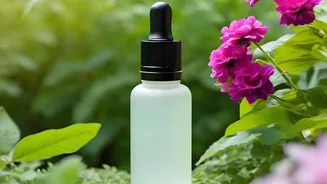
Creating your own neem oil spray is simple. The key is to remember that oil and water don't mix, so you need a mild liquid soap to act as an emulsifier. For a basic batch, combine one litre of warm water with one teaspoon (about 5ml) of cold-pressed neem oil and half a teaspoon of a mild, liquid castile soap. Avoid using harsh detergents as they can damage plant leaves. Pour the mixture into a clean spray bottle and shake it vigorously to combine everything. It's best to make a fresh batch each time you spray, as the oil and water will separate over time.
The Simple Soap Solution
An even simpler, yet effective, solution is a basic soapy water spray. This works on a physical level, washing away smaller pests and breaking down the protective outer layer of soft-bodied insects like aphids, spider mites, and mealybugs, causing them to dehydrate. The type of soap is crucial. Use a pure, mild liquid soap like castile soap, which is made from vegetable oils. Avoid using modern dishwashing liquids, especially those with degreasers, bleach, or other synthetic additives, as these are detergents, not true soaps, and can strip the waxy cuticle from leaves, causing them to burn or dry out.
How to Make a Soapy Water Spray
To create a gentle insecticidal soap spray, mix one tablespoon of mild liquid soap (like castile soap) into one litre of water. Stir gently to combine without creating excessive foam. As with the neem spray, this should be poured into a spray bottle for application. This solution is most effective when it makes direct contact with the pests, so it's a contact spray that needs to be applied thoroughly to be effective. It has no residual effect, meaning it won't harm beneficial insects that arrive after the spray has dried.
Best Practices for Application
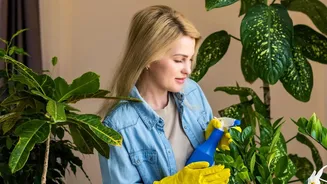
How and when you spray is just as important as what you spray. Always test your mixture on a small part of the plant first and wait 24-48 hours to check for any signs of leaf damage. The best time to spray is in the early morning or late evening when temperatures are cooler and the sun is not intense, which prevents the leaves from burning. Be thorough with your application, ensuring you cover the undersides of leaves where pests like to hide. Reapplication is often necessary, especially after rain. For an active infestation, you may need to spray every 7 days; for preventative care, every 14 days is usually sufficient.