




The Monsoon's Uneven Finale
The Southwest Monsoon, a lifeline for Indian agriculture, is preparing to withdraw, but it's leaving behind a mixed and concerning legacy for 2026. The India Meteorological Department (IMD) has indicated that the withdrawal is likely to commence around
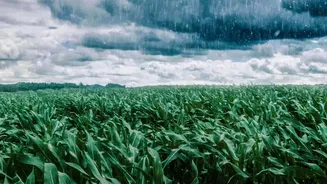
September 19. This comes after a season marked by a significant rainfall deficit. As of mid-September, the all-India monsoon deficit stood at a concerning 15%, putting the country on track for its driest monsoon in over a decade. This shortfall has been particularly pronounced in the south peninsula, which faces a 28% deficit. While recent rains have brought some relief and are expected to continue in central, eastern, and southern regions for another week, they may not be enough to erase the deep deficits in key agricultural states like Punjab, Haryana, Karnataka, and Kerala ahead of the crucial Rabi sowing season.
The Critical Role of Soil Moisture
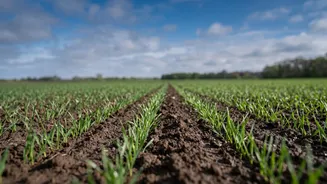
For farmers preparing for the winter or 'Rabi' crops, the last spell of monsoon rain is crucial. These September showers are essential for recharging soil moisture, which acts as the initial nourishment for Rabi seeds like wheat, gram, and mustard when they are sown from October onwards. Good soil moisture allows seeds to germinate and establish themselves before they need to rely on irrigation. A lack of rain in September means farmers start with a significant disadvantage, leading to potentially delayed sowing and weaker plant growth. With a strengthening El Niño already suppressing rainfall, the lack of adequate soil moisture could force farmers to become more dependent on other water sources, raising costs and uncertainty.
Reservoirs: The Lifeline for Winter Crops
Beyond immediate soil moisture, September's rainfall plays a vital role in filling India's vast network of reservoirs. These reservoirs are the primary source of irrigation for Rabi crops during the dry winter months. According to recent data from the Central Water Commission, the picture is uneven. While levels have recovered in western and central India, storage in the northern and southern regions remains sharply below normal. As of September 10, national water storage was about 7% below the normal level and a stark 20% lower than at the same time last year. This deficit is particularly worrying for the southern region, where reservoir levels are significantly below their normal capacity. Low reservoir levels mean less water available for irrigation, which can directly impact the yield and acreage of water-intensive crops like wheat.
Key Rabi Crops at Stake
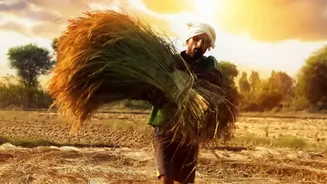
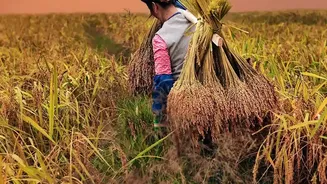
The success of India's Rabi season hinges on several key crops that are staples in the nation's diet. Wheat is the most prominent, and its sowing is heavily influenced by moisture left by the departing monsoon. Other major Rabi crops include barley, mustard, and pulses like gram (chana) and lentils (masur). Poor initial conditions due to a dry September could shrink the total sown area or reduce the yield per hectare. This is a significant concern as food inflation remains elevated. A weak harvest would tighten the supply of these essential commodities in the coming months, putting upward pressure on market prices for consumers. Economists are already flagging that erratic September monsoons pose a risk to the winter crop sowing for wheat and rapeseed-mustard.
The Impact on Prices and Policy
The link between September's weather and your household budget is direct. A poor Rabi sowing season leads to lower agricultural output. Lower supply, when demand remains constant, inevitably pushes up prices in the market. This scenario creates a challenge not just for consumers but for the government as well. The government sets a Minimum Support Price (MSP) for Rabi crops to ensure farmers receive a remunerative price. For the upcoming 2026-27 season, the MSP for wheat has been set at ₹2,585 per quintal, a hike from the previous year. However, if production is low, market prices could surge well above the MSP, fuelling food inflation. This forces the government to balance supporting farmers with managing inflation, a delicate act where September's weather plays a decisive opening role.