






The Rise of 'Exercise Snacking'
The concept is simple and appealingly named: 'exercise snacking'. It involves peppering your day with short bursts of physical activity, typically lasting anywhere from one to ten minutes. Instead of carving out a contiguous 30- or 60-minute block, you accumulate
your activity throughout the day. This might mean doing a set of squats while your morning tea brews, taking the stairs instead of the lift, or doing some quick stretches between meetings. The core idea, supported by organisations like the World Health Organization, is that every bit of movement counts and is far better than being inactive. This approach makes fitness feel less intimidating and more accessible, especially for those with packed schedules or who are just starting their fitness journey.
More Than Just Convenient
The benefits of this bite-sized approach to fitness go far beyond convenience. Research shows that these short, regular bursts of activity can lead to significant health improvements. Studies indicate that 'exercise snacking' can enhance cardiorespiratory fitness, improve blood pressure, and help with blood sugar regulation. Some research even suggests that multiple short sessions can be just as effective, if not more so, for improving certain health markers compared to one single, longer workout. Breaking up long periods of sitting with even light activity can help counteract the negative effects of a sedentary day. Furthermore, these mini-workouts can boost your energy, mood, and focus, providing a much-needed mental reset during a busy workday.
How to Fit Movement Snacks Into Your Day
Integrating this habit is all about using the small pockets of time you already have. Start by identifying idle moments. Waiting for a file to download? That’s a chance for a few desk push-ups or chair squats. During a television commercial break, try some jumping jacks or jogging in place. Make your commute more active by parking further away or getting off one bus stop earlier. Take phone calls while standing or walking around. Setting a simple timer on your phone or watch to remind you to stand up and move every hour can be incredibly effective at breaking up sedentary time. The key is to start small and choose activities you genuinely don't mind doing. Consistency is more important than intensity when you're first building the habit.
Easy Exercises to Get Started
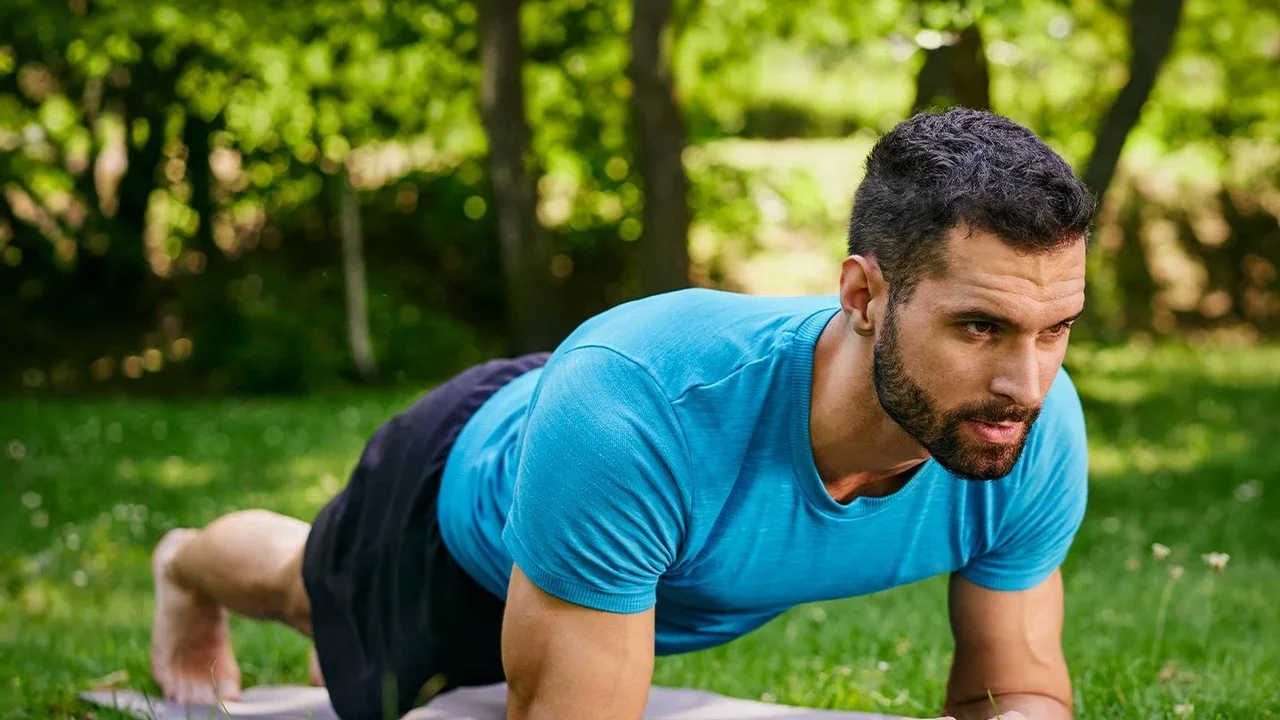
You don't need any special equipment to start 'snacking' on exercise. Simple bodyweight movements are perfect. Try a few of these in a 5-minute break: Squats: A fundamental movement that strengthens your legs and core. Lunges: Great for balance and working your major leg muscles. Calf Raises: Can be done anywhere, even while waiting in a queue. Wall Sits: Hold for 30-60 seconds to build isometric strength in your legs. Push-ups: Can be modified by doing them against a wall or desk to match your strength level. Plank: An excellent exercise for core stability.* Jumping Jacks: A quick way to get your heart rate up and boost your energy.
Is It a Replacement for the Gym?
For many people, the big question is whether these short bursts can truly replace a traditional workout. The answer is nuanced. For someone who is largely inactive, adopting exercise snacking is a massive step forward and can significantly improve health. Research shows that accumulating exercise in short bouts can be as effective as one long session for weight loss and improving fitness when the total time is equal. However, longer, more structured workouts do offer their own unique benefits, particularly for building greater muscle development or training for specific endurance goals. Perhaps the best way to view movement snacking is not as a replacement, but as a powerful complement to a healthy lifestyle. On days when a full workout is impossible, it's a fantastic way to stay active. On other days, it can supplement your regular routine, keeping your body moving and breaking up the negative effects of sitting all day.