



What Is Cold Water Hydrotherapy?
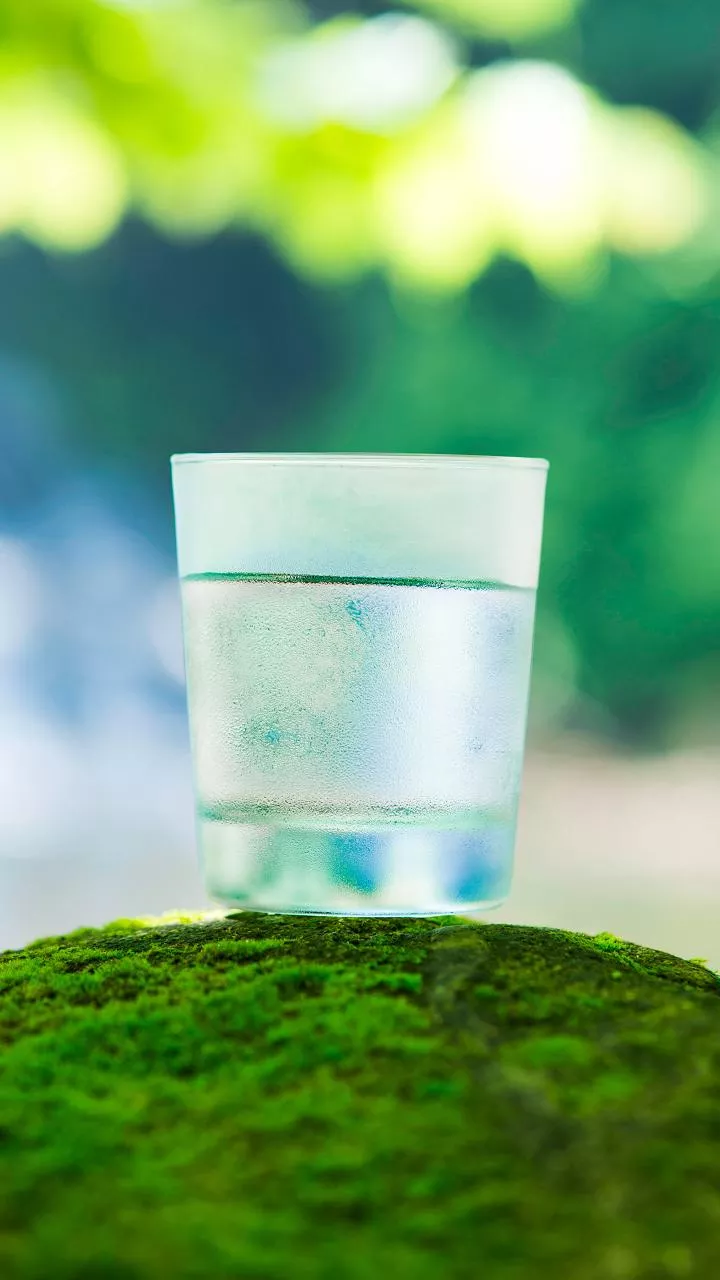
Cold water hydrotherapy, also known as cold water immersion, involves exposing the body to cold water, typically below 15°C, for a short period. This practice isn't new; it has roots in ancient traditions, with figures like Hippocrates advocating for its
therapeutic use thousands of years ago. Today, it’s gaining widespread popularity—from athletes seeking faster recovery to individuals looking for a natural mental health boost. The methods can range from simply ending your shower on cold to taking a full-body plunge in an ice bath or a chilly lake.
The Science of a Sharper Mind
The moment cold water hits your skin, your body initiates a powerful physiological response. This shock activates the sympathetic nervous system—your 'fight-or-flight' mode. One of the most significant effects is a massive surge in the neurotransmitter norepinephrine, which can increase by as much as 530%. This chemical is crucial for focus, vigilance, and attention. This is why a cold plunge can leave you feeling incredibly alert and clear-headed for hours afterward. Additionally, studies show that cold exposure can boost dopamine—the 'feel-good' hormone associated with motivation and pleasure—by up to 250%, contributing to an enhanced mood and a feeling of vigour.
Washing Away Daily Stress
While it may seem counterintuitive that a stressful event like a cold plunge can reduce daily stress, that’s exactly what it does through a process called hormesis, or controlled stress. By willingly subjecting your body to this short, manageable stressor, you're essentially training your nervous system to become more resilient. Cold exposure stimulates the vagus nerve, a major component of the parasympathetic nervous system, which governs your 'rest-and-digest' functions. Activating this nerve helps slow your heart rate, calm your body, and shift you out of a chronic stress state. Over time, regular practice can lead to a more balanced stress response in your everyday life, making you better equipped to handle daily challenges with composure.
How to Get Started Safely
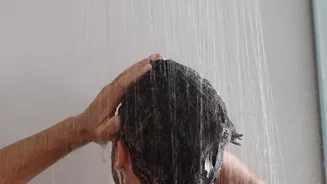
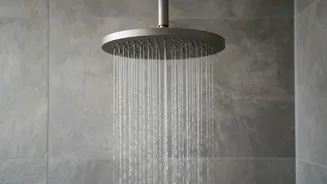
You don't need to jump into a frozen lake to reap the benefits. The key is to start slowly and listen to your body. A great entry point is to end your regular warm shower with 30 seconds of cold water, gradually increasing the duration as you get more comfortable. You can also try immersing just your face in a bowl of cold water for a few seconds to stimulate the vagus nerve. For those ready for a full plunge, a bathtub with cold tap water is sufficient. Aim for a temperature that feels challenging but tolerable, around 10-15°C, and start with an immersion of just one to two minutes. Consistency is more important than intensity; aiming for a total of 11 minutes of cold exposure spread across a few sessions per week has been shown to be effective.
Risks and Important Precautions
Despite its benefits, cold water immersion is not for everyone. The initial shock causes a rapid increase in heart rate and blood pressure, which can be dangerous for individuals with pre-existing cardiovascular conditions, high blood pressure, or other serious health issues. The main danger is hypothermia, which occurs when your core body temperature drops too low. Never exceed 15 minutes in the water, as the benefits do not increase with longer durations, and always have a warm towel and dry clothes ready for when you get out. It's crucial to pay attention to your body’s signals and to avoid pushing yourself too far, too fast.