

Find Your Dark Spot
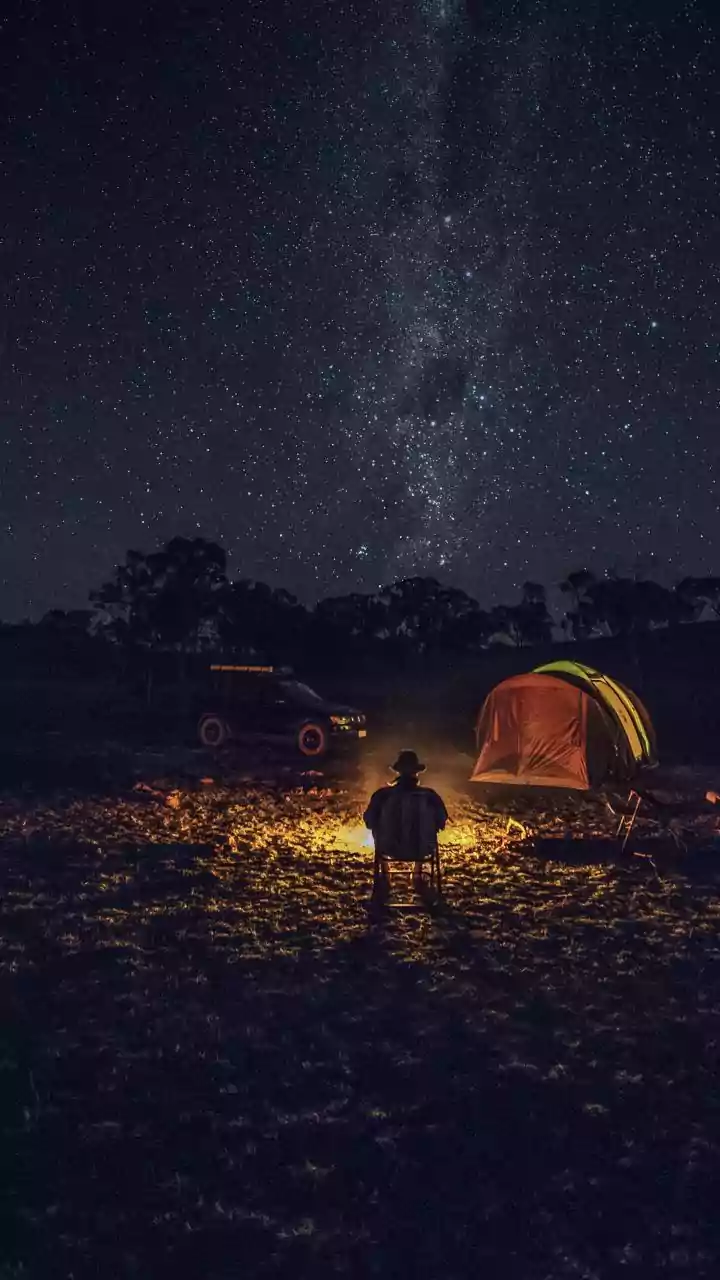
The first and most crucial step is to escape light pollution. The bright lights of cities and towns wash out fainter stars, leaving only the brightest objects visible. While remote locations like Ladakh or the Rann of Kutch offer world-class dark skies,
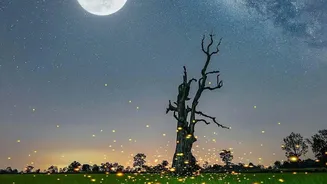
you don't need to travel that far. Even a local park, a quiet field on the edge of town, or a balcony that faces away from streetlights can make a huge difference. Use online tools like a light pollution map to find darker areas near you. The goal is to find a spot with an open view of the sky, as far from direct sources of light as possible. Once you're there, switch off your phone and any torches.
Let Your Eyes Adjust
Patience is a stargazer's best friend. Your eyes need at least 20 to 30 minutes to fully adapt to the darkness, a process called dark adaptation. During this time, your pupils will dilate and your eyes will build up a chemical called rhodopsin, which significantly increases your ability to see in low light. Avoid looking at any bright screens, including your phone, as even a short burst of white light can reset this process. If you need to use a light, a red-light torch is best because it has the least impact on your night vision. While you wait, lie back on a blanket or comfortable chair, get comfortable, and simply take in the vastness above.
Download Your Digital Guide
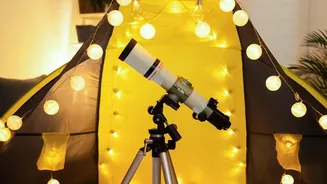
While a telescope is unnecessary, a smartphone can be your most powerful tool. Free stargazing apps like Star Walk, SkyView Lite, or Stellarium act as a virtual planetarium in your pocket. These apps use your phone's GPS and compass to identify stars, constellations, planets, and even satellites in real-time. Just point your phone at the sky, and the app will show you exactly what you're looking at. Many apps have a red-light mode to preserve your night vision. Use one to get your bearings, identify key objects, and learn the shapes of the major constellations visible this month.
Know Your October Planets
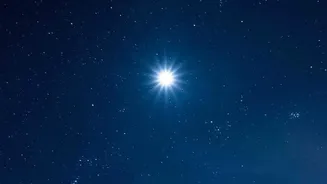
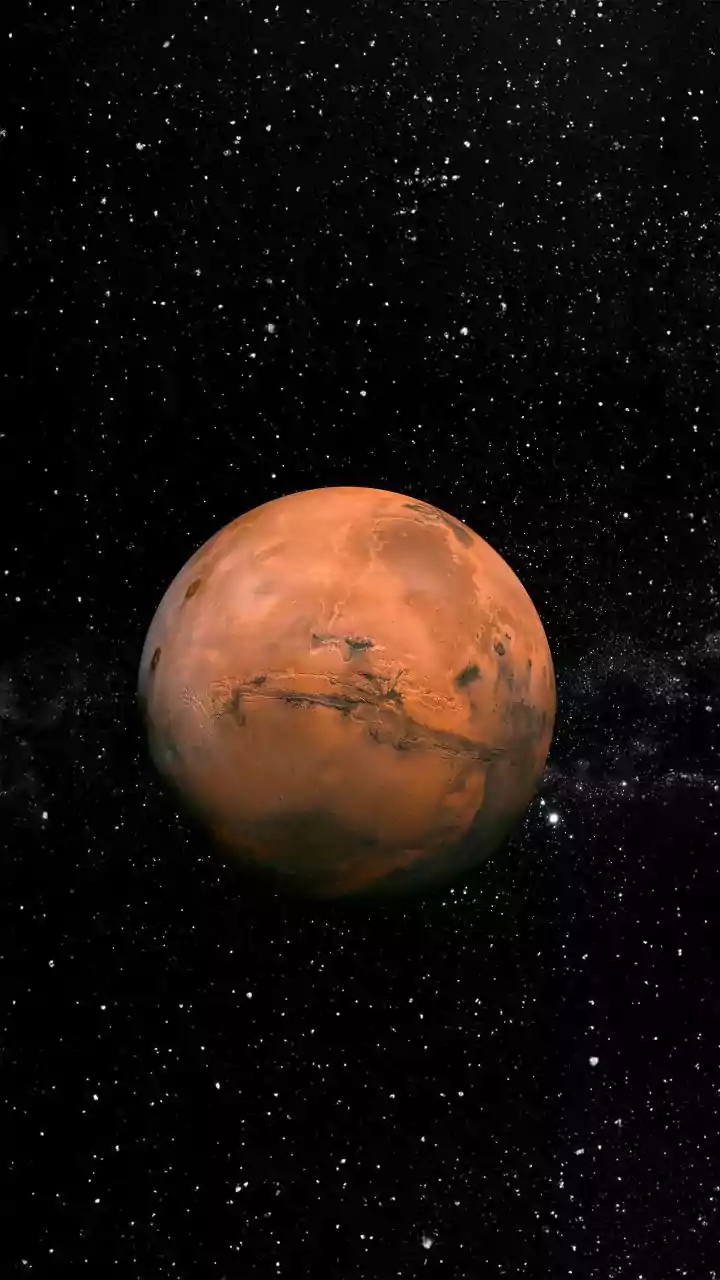
October 2026 is a great month for planet-spotting. The easiest way to tell a planet from a star is that stars twinkle, while planets shine with a steadier light. This month, look for Saturn, which will be visible all night long after reaching opposition on October 4. Opposition means it's directly opposite the Sun from our perspective, making it appear at its brightest. Early risers can spot Mars and the incredibly bright Jupiter in the pre-dawn eastern sky. On the morning of October 5, the crescent Moon will appear near both planets, creating a beautiful lineup.
Look for October's Meteor Showers
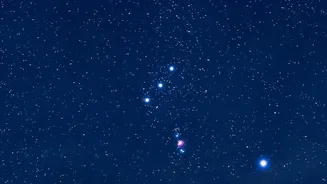
October hosts two notable meteor showers. First are the Draconids, peaking on the evening of October 8-9. While typically a modest shower with about 10 meteors per hour, viewing conditions are excellent this year as the peak coincides with a nearly new moon, meaning darker skies. Unusually, the Draconids are best viewed in the early evening, right after nightfall. Later in the month, look for the Orionids, which peak before dawn on October 21-22. These are faster and often brighter meteors, with up to 20 per hour, originating from debris left by Halley's Comet. A bright Moon will interfere, but it sets a few hours before dawn, leaving a window of dark sky for the best viewing.
Learn the Sky's Landmarks
Just like navigating a city, you can learn your way around the night sky by finding a few key landmarks. In the Northern Hemisphere, start by finding Ursa Major (the Great Bear), which contains the famous Plough or Big Dipper asterism. You can use its two 'pointer' stars to find Polaris, the North Star. High overhead in the evening, you can also spot the 'Summer Triangle', an asterism formed by three bright stars: Vega, Deneb, and Altair. As you become more familiar with these patterns, you can use them to hop to other constellations and discover fainter objects like the Andromeda Galaxy, which appears as a faint, fuzzy smudge to the naked eye from a very dark site.