


Garam Masala: The Quintessential Warmth
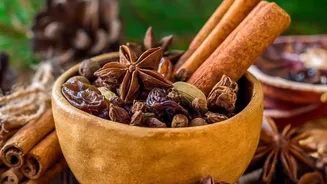
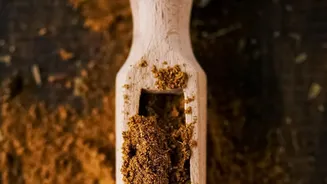
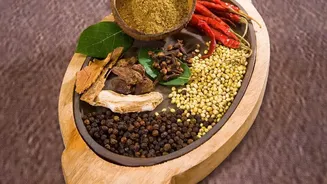
Perhaps the most famous Indian spice blend, garam masala translates to 'warm spices'. This name refers not to chilli heat, but to the warming effect these spices are believed to have on the body. Recipes vary widely by region and even household, but a classic
mix often includes cinnamon, cloves, cardamom, cumin, and black pepper, which are toasted and ground. The result is an aromatic, slightly sweet, and pungent blend. Unlike many masalas, garam masala is often used as a finishing spice. Stir a spoonful into a curry, dal, or soup right at the end of cooking to preserve its fragrant bouquet. A pinch can also elevate roasted vegetables or season a simple marinade for chicken.
Chaat Masala: The Tangy, Funky Finisher
If you love the vibrant, mouth-watering taste of Indian street food, you love chaat masala. This is a finishing spice, meant to be sprinkled on dishes right before serving. Its defining ingredients are amchur (dried green mango powder) for a sharp sourness, and kala namak (black salt) for a distinctive, slightly sulphurous, savoury kick. These are supported by earthy cumin, coriander, and a touch of chilli. Chaat masala is not about heat; it's about a 'chatpata' flavour that is salty, sour, and utterly addictive. Use it to bring life to a simple fruit salad, sprinkle it over fried snacks, stir it into yoghurt for a quick dip, or dust it over roasted potatoes. A little goes a long way in providing that signature zesty punch.
Panch Phoron: The Whole-Spice Temper
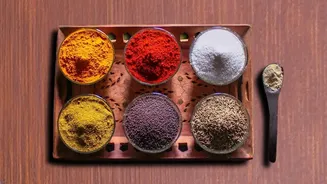
Hailing from Eastern India, particularly Bengal, panch phoron means 'five spices' or 'five tempers'. Unlike the other blends on this list, it consists of whole seeds used in equal parts: fenugreek, nigella, cumin, black mustard, and fennel. Its magic is released when the seeds are tempered, or sizzled, in hot oil or ghee until they pop and become fragrant. This process creates an incredibly aromatic base for a dish. Fenugreek adds a pleasant bitterness, fennel a hint of sweetness, mustard a pungent kick, and cumin an earthy depth. It is traditionally used to start vegetable dishes, lentil dals, and fish curries. Simply tempering panch phoron before adding potatoes or pumpkin creates a simple but deeply flavourful side dish.
Sambar Podi: The Heart of South India
This is the essential spice mix for making sambar, the iconic lentil and vegetable stew from South India. Sambar podi is unique because it includes roasted and ground lentils (like toor dal and chana dal) along with spices. These lentils give the powder body and a nutty flavour, and help thicken the final dish. The other key ingredients are coriander seeds, dried red chillies for colour and heat, fenugreek for a characteristic bitterness, and often curry leaves and black pepper. While its primary use is for sambar, this earthy and aromatic blend is also versatile enough to season vegetable stir-fries or be mixed with ghee and served with rice.
Ras el Hanout: The Best of the Shop
Journeying to North Africa, Ras el Hanout translates from Arabic as 'head of the shop,' meaning it's a blend of the very best spices a merchant has to offer. There is no single recipe; some blends contain over 30 spices. However, most feature a complex, fragrant mix of warm spices like cinnamon, cumin, coriander, turmeric, ginger, and allspice, with floral and sweet notes from ingredients like rosebuds or mace. It's generally more aromatic and warm than spicy-hot. Ras el Hanout is a fantastic all-purpose seasoning for lamb or chicken, a wonderful addition to vegetable tagines and stews, and a great way to flavour couscous or roasted root vegetables.