


Your Clothing: Think Quick-Dry, Not Cotton
The single biggest mistake trekkers make is wearing cotton. Once wet, cotton clothes stay damp, heavy, and cold against your skin, increasing discomfort. Instead, your entire wardrobe should be built around quick-dry synthetic fabrics like polyester or nylon.
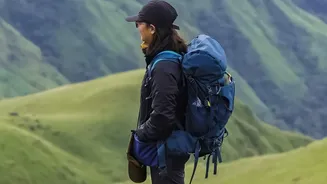
Start with a moisture-wicking synthetic t-shirt as your base layer. For your legs, choose quick-dry trek pants; avoid jeans or heavy cotton trousers at all costs. A poncho is often recommended over a standard rain jacket because it's lightweight, allows for better air circulation to prevent you from getting wet with sweat, and can cover both you and your backpack.
Footwear: Your Most Important Gear
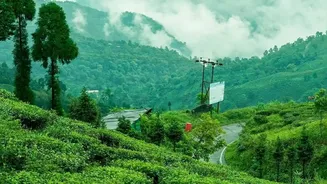
Monsoon trails in the Ghats are notoriously slippery, with wet rocks, mud, and moss creating treacherous surfaces. Your regular sports shoes won't work here; they lack the necessary grip and ankle support. Investing in a pair of waterproof trekking shoes with high ankle support and deep-grooved soles is non-negotiable. These shoes provide the traction needed to prevent slips and falls while keeping your feet dry during stream crossings or continuous rain. Remember to break in your new shoes before the trek to avoid painful blisters. Also, pack an extra pair of synthetic or wool socks; a dry pair can be a huge morale booster at the end of a long, wet day.
Gear Protection: Keeping Everything Dry
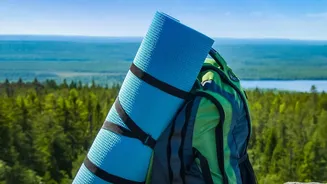
Even with a good poncho, protecting your gear requires a multi-layer approach. Start with a waterproof rain cover for your backpack—this is your first line of defense. However, during hours of heavy rain, moisture can still seep in. For this reason, it's crucial to waterproof your essentials from the inside as well. Use dry bags or even simple plastic ziplock bags to compartmentalize and protect your electronics, spare clothes, and food. A dry bag for your sleeping bag and warm layers is especially important if you're on a multi-day trek. Keeping your critical gear dry isn't just about comfort; it's a matter of safety.
The Western Ghats First-Aid Kit
Your first-aid kit needs a few monsoon-specific additions for this region. Leeches are a common, though mostly harmless, part of the Western Ghats experience. Pack anti-leech socks, which are long socks that create a barrier. You can also carry a small pouch of salt or a sanitiser to help remove any that latch on, but never pull them off forcefully. Clean the bite area with an antiseptic wipe afterward. Your kit should also include basics like bandages for cuts, treatment for blisters, pain relievers, and rehydration salts (ORS) to combat dehydration, as you still sweat even in cool, rainy weather.
Essential Extras for Safety and Comfort
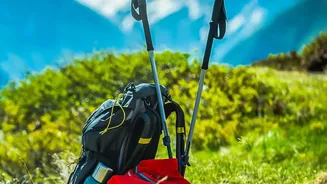
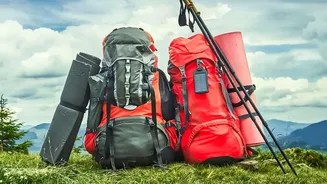
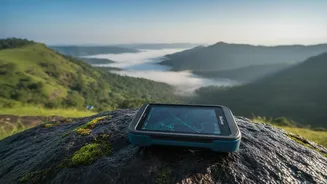
A few smaller items can make a huge difference. Trekking poles are highly recommended to provide extra stability and balance on slippery descents, reducing the strain on your knees. A headlamp with extra batteries is essential, as rain and fog can reduce visibility, and delays can mean you're walking after dark. Pack a fully charged power bank in a waterproof pouch to keep your phone and navigation tools working. A surprising but effective item is a simple sun cap; worn under your poncho's hood, its brim will keep rainwater from dripping onto your face and obstructing your view of the trail.