



Why Your Itinerary Should Start With Transport
India is vast, and underestimating travel time is a classic first-timer mistake. A 300-kilometre journey can take anywhere from three to eight hours depending on your mode of transport and the terrain. By deciding on your travel methods first—whether
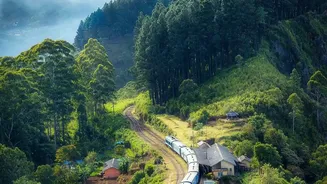
train, flight, or private car—you create a realistic framework for your trip. This approach prevents the stress of missed connections and rushed sightseeing. Instead of asking 'Where do I want to go?', ask 'How do I want to travel?'. The answer will naturally shape a more logical and enjoyable route. For instance, a trip built around the iconic railway network will feel very different from one that relies on flights to hop between regions.
Mix and Match: The 'Hub and Spoke' Model
For a country this large, a blended transport strategy is often the most effective. Consider using a 'hub and spoke' model. Fly into a major city like Delhi, Mumbai, or Bengaluru, which will serve as your base. From there, you can take short-haul flights, overnight trains, or hire a car for regional exploration. For example, you could fly into Delhi, explore the city, and then use it as a launchpad for the Golden Triangle (Agra and Jaipur). Similarly, Kochi in Kerala can serve as a hub for exploring the backwaters, hills, and beaches of the south. This method saves time on long, cross-country overland journeys and allows you to delve deeper into specific regions.
Embracing Indian Railways: An Experience in Itself
India's train network is one of the largest in the world and offers an unparalleled cultural experience. For travellers, daytime express services like the Shatabdi Express are great for city-to-city hops (like Delhi to Agra), offering comfortable, air-conditioned seating. For longer distances, overnight trains with sleeper berths in classes like 1A, 2A, or 3A are a practical way to cover ground while you sleep. Foreign tourists can book tickets in advance through the official IRCTC website using the Foreign Tourist Quota, which opens up bookings well before the general public. Just remember that popular routes sell out fast, so booking ahead is essential.
Case Study: The Golden Triangle
The classic Golden Triangle circuit—Delhi, Agra, and Jaipur—is a perfect example of transport-led planning. The route covers about 720 kilometres. Most visitors start in Delhi. From there, you can take a fast train like the Gatimaan Express or Shatabdi Express to Agra, which takes around two hours. After visiting the Taj Mahal, the journey from Agra to Jaipur is often best done by a private car (around 4.5-5 hours), which allows for a stop at the magnificent Fatehpur Sikri en route. To complete the triangle, you can either take a train or drive from Jaipur back to Delhi (a 5-6 hour journey). This combination of train and car offers a mix of speed, comfort, and flexibility.
Mastering the Local Commute: From Metros to Auto-Rickshaws
Once you're in a city, a different set of transport rules applies. Major metros like Delhi, Mumbai, and Bengaluru have clean, efficient metro systems that are perfect for bypassing traffic. For shorter distances, auto-rickshaws are a quintessential Indian experience. To avoid haggling over fares, use ride-sharing apps like Uber and Ola, which are widely available in urban areas and offer fixed pricing for both cabs and auto-rickshaws. Another popular app, Rapido, is excellent for affordable bike-taxis that can weave through congested streets. It’s wise to have at least two of these apps on your phone to compare prices and availability.
Specialised Regions, Specialised Transit
Some of India's most beautiful regions require unique modes of transport. In Kerala, for example, your journey will likely involve a mix of ferries and houseboats to navigate the serene backwaters, alongside cars or buses for trips into the tea-covered hills. In the Himalayan regions of Ladakh or Sikkim, shared 4WD jeeps are the primary means of navigating high-altitude mountain passes where buses may not venture. Planning for these regions means researching the specific local options available and understanding that the journey itself—whether on a houseboat or in a jeep—is a key part of the adventure.