





The Desk Worker's Energy Paradox
Sitting for eight hours a day is surprisingly exhausting. It leads to a strange state of being physically inert but mentally drained, a combination that makes the thought of a tough workout feel impossible. This creates a vicious cycle: you're too tired
to exercise, so your overall stamina and energy levels decline, making you even more tired tomorrow. This lack of movement contributes to that persistent, low-grade fatigue that coffee can't fix. The very solution—physical activity—seems out of reach because the problem it solves is the primary barrier.
What Exactly Is Zone-2 Cardio?
Forget the 'no pain, no gain' mindset. Zone-2 cardio is defined by its moderate, comfortable intensity. It's exercise performed at about 60-70% of your maximum heart rate. But you don't need a heart rate monitor to find it. The easiest method is the 'talk test': you should be able to hold a full conversation without gasping for air. If you can easily sing, you're probably in Zone 1 (too easy). If you can only manage a few words at a time, you've pushed into Zone 3 or higher. Zone 2 is that sweet spot in between—a sustainable pace you feel you could maintain for a long time.
The Science of All-Day Energy
The magic of Zone 2 lies in what it does to your cells, specifically to your mitochondria. Think of mitochondria as the tiny power plants inside your cells that produce energy. When you exercise at a low intensity like in Zone 2, you train these power plants to become more efficient at burning fat for fuel. People who are sedentary often have mitochondria that are quick to burn carbohydrates (glucose) even for low-effort activities. This can lead to energy crashes. By doing Zone-2 cardio, you increase the number and efficiency of your mitochondria. This improves your body's ability to use fat as a primary fuel source, providing a steadier, more reliable stream of energy throughout the day and preventing those sharp slumps in alertness.
How to Find and Stay in Your Zone
While the talk test is a great real-time guide, you can also estimate your Zone-2 heart rate with a simple formula. A common method is to subtract your age from 220 to get your estimated maximum heart rate (MHR). Your Zone-2 range would then be 60% to 70% of that number. For example, a 40-year-old has an estimated MHR of 180 (220 - 40), so their Zone 2 would be between 108 and 126 beats per minute. A heart rate monitor on a watch or chest strap can help you track this. However, the most important thing is to listen to your body. The goal is a controlled, comfortable effort, not a race to a specific number.
Easy Ways to Start Your Zone-2 Habit
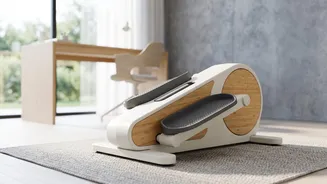
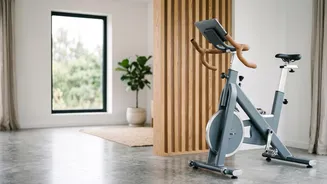
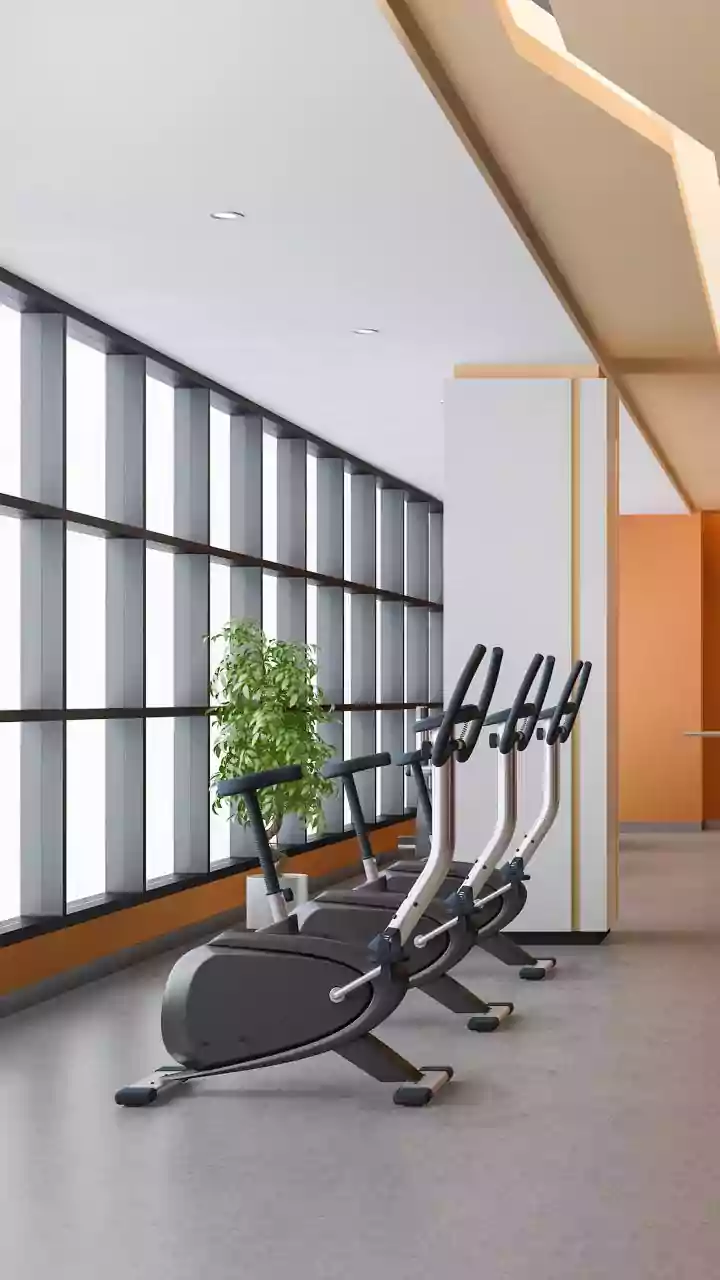
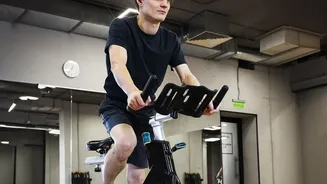
The beauty of Zone 2 is its accessibility. You don't need a gym or complex equipment. For a desk worker, this could be a brisk 30-45 minute walk during your lunch break. Other great options include a steady bike ride, using an elliptical machine at a comfortable pace, or a light jog. The key is consistency. Aiming for two to three Zone-2 sessions per week is a fantastic starting point. Unlike high-intensity workouts that require significant recovery, Zone 2 is low-impact and easy to recover from, making it easier to build into a regular routine without feeling sore or burned out.
More Than Just Stamina
The benefits extend far beyond just feeling more energetic at your desk. Building this aerobic base improves your overall cardiovascular health by strengthening your heart muscle so it can pump blood more efficiently. This can lead to a lower resting heart rate and better blood pressure over time. It also helps with stress management, improves cognitive function, and promotes better sleep—all of which are common challenges for professionals in demanding, sedentary roles. By making your body more resilient at a cellular level, you're not just building stamina for a workout; you're building resilience for life.