



A Shift in Traveller Mindset
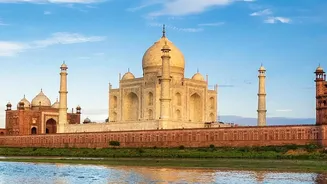
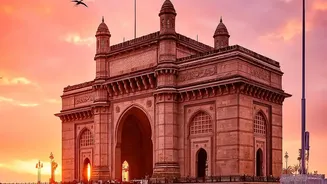
For decades, Indian tourism followed a familiar script: visit the big monuments, stay in conventional hotels, and tick off a list of sights. Today, a new generation of travellers, particularly millennials and Gen Z, is rewriting that script. They are
trading grand itineraries for intimate, immersive journeys, a trend sometimes called 'micro-tourism'. Instead of just seeing a place, they want to be part of it—learning to cook a regional dish in a family home, exploring villages with a local guide, or participating in a centuries-old craft. This desire for authenticity is driven by a fatigue with overcrowded tourist traps and a search for more meaningful connections. Travellers now often choose a destination based on the experience it offers, not just its name recognition.
The Untapped Potential of Smaller Towns
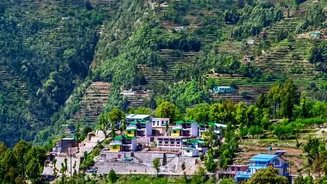
This shift is a massive opportunity for India’s thousands of smaller towns and villages, many of which are rich in culture, heritage, and natural beauty but have been overlooked by mainstream tourism. While popular hotspots grapple with overcrowding and strained infrastructure, lesser-known destinations can offer quieter, more affordable, and culturally immersive alternatives. Places like Mawlynnong in Meghalaya, known for its cleanliness and community-led eco-tourism, or Khimsar in Rajasthan, which offers a gateway to the Thar Desert's unique beauty, are examples of what is possible. The appeal lies in their slower pace of life and the chance to experience India's traditions more intimately. This is not just about escaping crowds; it is about discovering the soul of a place.
Economic Benefits and Community Empowerment
When tourism thrives in smaller destinations, its economic impact is often more direct and widespread. Unlike in major cities where large corporations can dominate, spending in smaller towns tends to benefit local farmers, artisans, homestay owners, and guides directly. This creates sustainable livelihoods, reduces the need for residents to migrate to cities for work, and helps preserve cultural traditions by making them economically viable. Initiatives like craft-based tourism, where visitors engage with local weavers or potters, ensure that tourist spending circulates within the community, empowering residents and fostering a sense of pride in their heritage. This model turns locals into hosts and stakeholders, not just service providers.
Infrastructure and Government Support
Realising this potential requires more than just beautiful scenery. One of the biggest historical barriers has been poor infrastructure and connectivity. However, this is changing. Improved highways, regional air connectivity under schemes like UDAN, and the spread of digital payments are making remote areas more accessible. The government has also recognized this opportunity, launching initiatives like 'Dekho Apna Desh 2.0' and the National Mission for Alternative Destinations, which specifically aim to promote lesser-known but tourism-ready locations. Schemes like Swadesh Darshan 2.0 focus on developing sustainable, theme-based tourist circuits, moving beyond just infrastructure to create holistic and responsible visitor experiences.
The Road Ahead: Challenges and Opportunities
Despite the promise, significant challenges remain. Many smaller destinations still struggle with a lack of quality accommodation, inconsistent electricity, and patchy digital connectivity. There are also concerns about safety and a lack of awareness among potential tourists. Furthermore, the very social media buzz that puts a place on the map can lead to unsustainable 'over-tourism' if not managed carefully. The key will be to balance promotion with preservation. Success will depend on a coordinated effort between government bodies, private operators, and local communities to develop these destinations responsibly, ensuring that the unique charm that makes them attractive is not lost in the process of welcoming more visitors.