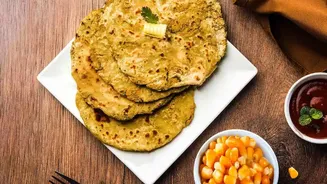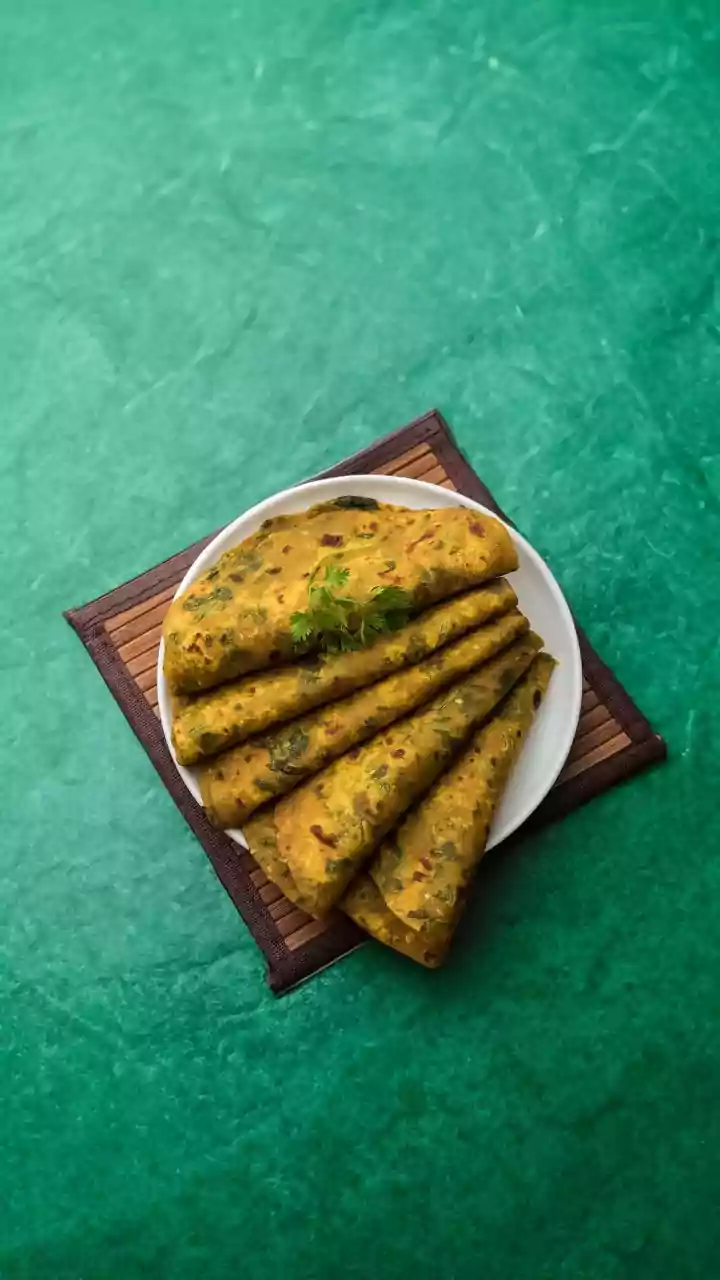

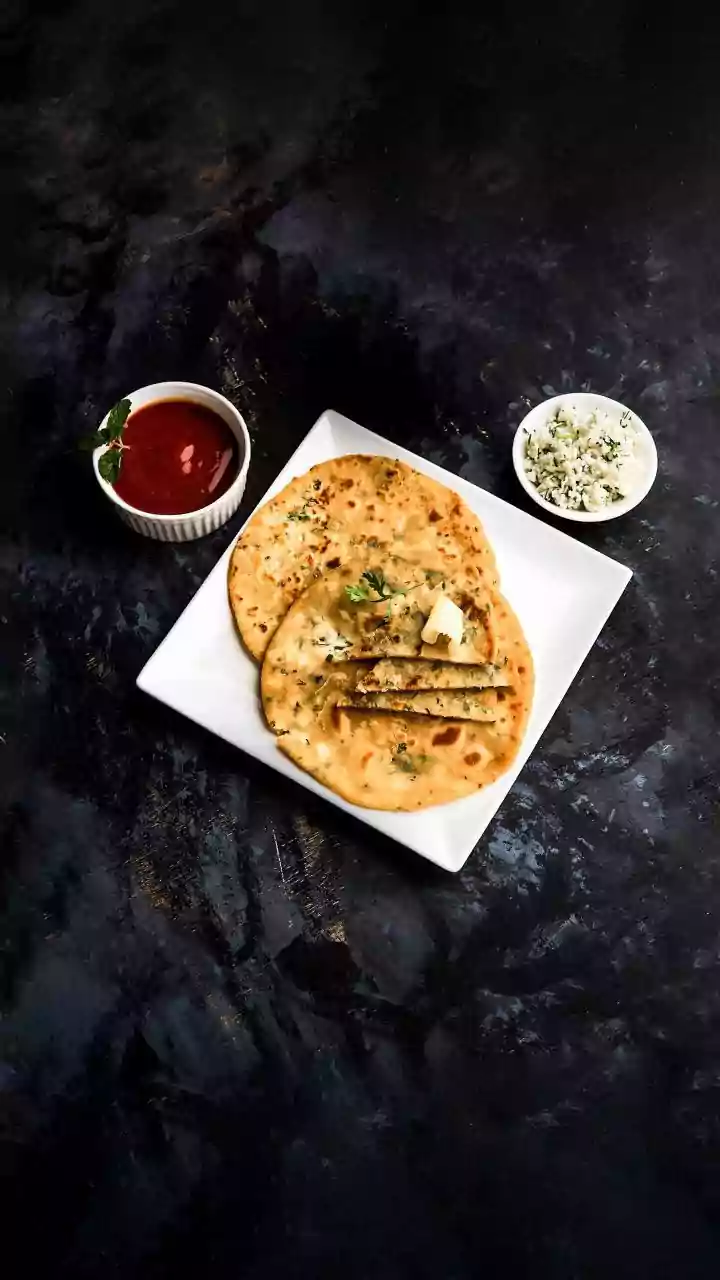


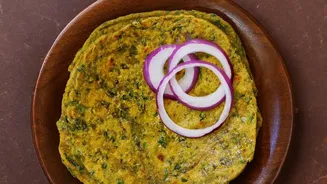
As winter arrives, our kitchens embrace seasonal produce. This Jowar Radish Paratha, made with sorghum flour and fresh mooli, is the perfect blend of tradition, health, and flavour for a nourishing and hearty meal.
The Ancient Grain: Why Jowar?
Jowar, or sorghum, is an ancient millet
that has been a staple in Indian households for centuries. It's naturally gluten-free, making it an excellent choice for those with sensitivities or celiac disease. Rich in dietary fibre, jowar aids in digestion, helps you feel full for longer, and can assist in weight management. Its low glycemic index is beneficial for managing blood sugar levels. Packed with essential nutrients like iron, magnesium, and B vitamins, this versatile flour also provides a sustained release of energy, keeping you active throughout the day.
Seasonal Star: The Humble Radish
Radish, or mooli, is a quintessential winter vegetable in India. Crisp and peppery, it's not just a salad ingredient. Radishes are low in calories but high in essential nutrients, including vitamin C and antioxidants that help protect your cells from damage. They are also a good source of fibre, which supports a healthy digestive system and can help prevent constipation. Incorporating radish into your meals is a great way to enjoy seasonal produce while boosting your nutritional intake. Even the leaves are packed with nutrients and can be used in this recipe.
How to Make Jowar Radish Paratha
This recipe combines the ingredients directly into the dough for an easy, flavourful flatbread. Ingredients: - 1.5 cups Jowar (Sorghum) Flour - 1 cup Grated Radish (Mooli) - 1-2 Green Chillies, finely chopped - 1 tsp Ginger-Garlic Paste - 2 tbsp fresh Coriander, chopped - Spices: 1/2 tsp each of Turmeric powder, Red Chilli powder, and Carom seeds (ajwain) - Salt to taste - Hot water for kneading - Ghee or oil for cooking Instructions: 1. Grate the radish, sprinkle with a little salt, and set aside for 10 minutes. Squeeze out all the excess water. This step is crucial to prevent the dough from becoming too sticky. 2. In a large bowl, combine the jowar flour, squeezed radish, green chillies, ginger-garlic paste, coriander, and all the dry spices. 3. Mix everything well. Then, slowly add hot water and begin to knead. Using hot water is key to making a soft, pliable jowar dough. 4. Knead for 4-5 minutes until you have a smooth, soft dough. Cover and let it rest for 5-10 minutes. 5. Divide the dough into equal-sized balls. On a piece of parchment paper or a plastic sheet, gently press a dough ball with your fingertips or a rolling pin to form a 4-5 inch circle. Jowar dough can crack at the edges, which is normal. 6. Heat a tawa (griddle) on medium flame. Carefully place the paratha on the tawa. Cook for a minute until the top appears slightly dry. 7. Flip the paratha, apply ghee or oil, and press gently with a spatula. Flip again, apply ghee to the other side, and cook until golden brown spots appear on both sides. 8. Serve hot, straight from the pan.
Tips for Perfect Parathas
Making jowar rotis can be tricky as the flour is gluten-free. The biggest secret is to use boiling or very hot water to make the dough; this helps bind the flour and makes it easier to roll. Kneading the dough while it's still warm is also essential for a smooth texture. If your dough seems too dry and cracks excessively while rolling, add a few drops of warm water and knead again. For beginners, patting the dough out between two sheets of parchment paper can be easier than using a rolling pin. These parathas are best enjoyed fresh and hot to savour their soft texture.