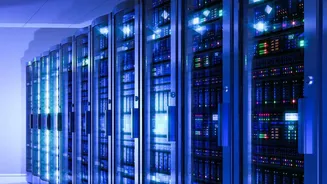







India's digital infrastructure is poised for a monumental leap. A new report from Crisil Ratings forecasts that the nation's data centre capacity will surge five-fold to 7.5 gigawatts (GW) by 2030, signalling a new era of digital growth.
The Scale of the Digital Boom
The projection
of reaching 7.5 GW by 2030 represents a massive expansion from the current installed capacity, which stands at approximately 1.5 to 1.8 GW as of mid-2026. This five-fold increase is expected to attract over Rs 3 lakh crore in investments over the next four financial years. The sheer scale of this build-out underscores a fundamental shift in India's economy, positioning it as a major global hub for digital infrastructure. This growth isn't speculative; Crisil notes that nearly half of the upcoming capacity is already secured through long-term contracts, with facilities currently under construction being over 95% pre-leased.
Fuelled by AI and Digitalisation
The primary driver behind this explosive growth is the unprecedented demand for computing power. The rise of generative artificial intelligence (GenAI), widespread cloud adoption by enterprises, and a continuous surge in data consumption are the key engines. As AI and machine learning become more integrated into business operations, the need for specialised, high-density data centres capable of handling complex computations has skyrocketed. Hyperscalers—large global cloud service providers—are a significant part of this story. Their share of leased data centre capacity in India is projected to climb from around 60-65% in fiscal 2026 to 75-80% by 2030.
Investment Hotbeds and Key Players
While this expansion is a national trend, it is highly concentrated geographically. Around three-fourths of the nearly 6 GW of upcoming capacity is expected to be located in just three cities: Visakhapatnam, Mumbai, and Hyderabad. These hubs attract investment due to factors like submarine cable landings, business ecosystems, and state-level policies. The market is seeing massive commitments from both domestic conglomerates and global tech giants. Players like AdaniConneX, Reliance's Digital Connexion, STT GDC, and NTT are all making significant investments. For example, Adani Enterprises has committed to a hyperscale data centre in Visakhapatnam, while Blackstone-backed AirTrunk has plans for major investments across the country.
The Power and Sustainability Challenge
This rapid expansion comes with significant challenges, chief among them being the immense demand for power. Data centres are incredibly energy intensive. Crisil highlights that the projected capacity in Visakhapatnam alone could equal 80% of the city's current peak power demand by 2030. This puts immense strain on local electricity grids and underscores the critical need for timely grid connectivity and transmission upgrades. Furthermore, there is a growing imperative to power this growth sustainably. The industry and government are focused on expanding renewable energy capacity to meet the demands of these facilities and align with the sustainability goals of global hyperscalers.
India's Competitive Edge
Despite the challenges, India holds a strong competitive advantage as a data centre destination. According to Crisil, development costs in India are about 20% lower than in competing Asia Pacific markets, thanks to more affordable land, construction, and labour costs. This, combined with comparatively lower power tariffs, results in rental rates that are 30–35% cheaper than in peer markets. This cost effectiveness, along with a massive domestic market and supportive government policies like data localisation, makes India an increasingly attractive location for global digital infrastructure investment.