



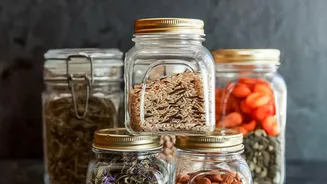
The Nutritional Power of Millets
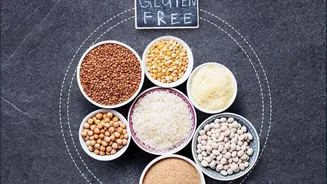
Millets like ragi (finger millet), jowar (sorghum), and bajra (pearl millet) are gaining popularity as superfoods for good reason. These grains are naturally gluten-free and packed with essential nutrients. They are a fantastic source of dietary fibre,
which aids digestion and promotes a feeling of fullness, helping to prevent overindulgence during festive feasts. Millets also have a lower glycemic index compared to refined wheat flour (maida), which means they release sugar into the bloodstream more slowly, providing sustained energy and preventing sudden sugar spikes. Furthermore, they are rich in minerals like magnesium, iron, and calcium, contributing to everything from heart health to stronger bones.
Tips for Swapping Flours
Successfully substituting millet flours for traditional ones like maida or wheat flour is simple with a few key tips. If you are new to millet flours, start by replacing about 25-30% of the regular flour in your recipe. This allows you to get accustomed to the new texture and flavour. Because millet flours are gluten-free and absorb more moisture, you might need to add extra liquid like milk or yoghurt to keep your sweets from becoming dry. Roasting the millet flour in a little ghee before using it is a crucial step; it removes any raw taste and brings out a wonderful, nutty aroma that enhances the final dish. For sweets like barfi or ladoo, the roasted, earthy flavour of millets pairs beautifully with natural sweeteners like jaggery.
Classic Ladoos, Reimagined
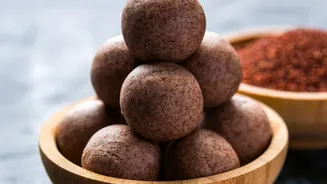
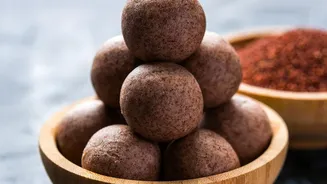
Ladoos are a festival staple, and they are incredibly easy to adapt. For a Ragi Ladoo, simply roast ragi flour in ghee until aromatic, then combine it with powdered jaggery, cardamom, and a mix of roasted nuts and seeds. The mixture is then bound with a little more warm ghee to form delicious, nutrient-dense balls. The result is a deeply flavourful sweet that's rich in calcium and iron. Similarly, you can make Bajra Ladoos, which offer a warming quality perfect for the cooler months. The process is much the same, often incorporating sesame seeds for extra crunch and nutrition.
Healthier Halwas and Barfis
The versatility of millets shines in soft, decadent sweets like halwa and barfi. A Bajre ka Halwa, made with pearl millet flour, is a filling and satisfying dessert. Its high fibre content makes even a small portion feel substantial. For a delicious Jowar Barfi, dry roast jowar flour until it turns golden, then combine it with a simple jaggery syrup and ghee. The mixture is stirred continuously until it thickens, then spread onto a greased plate to set. You can even create a multi-millet barfi by blending different flours like ragi, jowar, and almond flour for a complex flavour and an even bigger nutritional punch. Adding a pinch of cardamom or saffron elevates these sweets to festive perfection.
Beyond Sweets: Savoury Millet Snacks
Festive platters aren't complete without some savoury crunch. Millet flours are perfect for giving snacks like chakli and mathri a healthy upgrade. By replacing some of the refined flour in a traditional chakli recipe with jowar or a mixed-millet flour, you can create a snack that's just as crispy but with added fibre. The nutty taste of the millet complements the traditional spices like cumin and red chilli powder beautifully. These savoury treats offer a welcome balance to the sweet mithai, ensuring your festive spread is both delicious and thoughtfully prepared.