


The Age of Micro-Trends
Not long ago, fashion operated on seasons. Today, it operates on weeks, if not days. Brands that once took months to bring a design from runway to retail now do it in a fraction of the time. Some ultra-fast fashion players introduce thousands of new styles
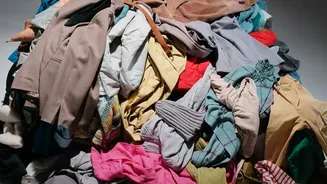
daily, creating a constant stream of micro-trends that can emerge and vanish in the span of a month. This acceleration is intentional. It creates a sense of urgency and a fear of missing out (FOMO). The idea is no longer to build a wardrobe, but to constantly update it. This rapid cycle pressures consumers to buy now before an item sells out or, worse, becomes 'last week's news'. The result is a culture of overconsumption where the average garment is worn only a handful of times before being discarded.
Your Brain on Fast Fashion
This relentless cycle isn't just a business model; it’s a powerful psychological engine. The low prices and constant newness trigger a dopamine rush in our brains, the same chemical associated with pleasure and reward. Finding a trendy item for a low price feels like a win, creating a form of 'retail therapy' that encourages impulse buys. Social media amplifies this effect, with influencers showcasing clothing 'hauls' and the unwritten rule of never being seen in the same outfit twice. This creates a powerful cocktail of social pressure and instant gratification that is difficult to resist. The result is often a cycle of buying, feeling a brief high, and then experiencing buyer's remorse or guilt, especially for environmentally-conscious consumers.
The Hidden Cost of an Impulse Buy
While the upfront cost of a fast-fashion item is low, the long-term price is often much higher. This is where the concept of 'cost per wear' (CPW) becomes crucial. A simple calculation—dividing the item's price by the number of times you wear it—reveals its true value. A cheaply made ₹500 top worn only twice has a CPW of ₹250. In contrast, a well-made ₹4000 jacket worn 40 times over several years has a CPW of just ₹100. The impulse buy feels cheap at the moment, but the planned, quality purchase provides far more value over time. Beyond the financial cost, there's the cost of a cluttered closet filled with items that don't fit well, don't match anything else, or fall apart after a few washes. This leads to decision fatigue and the paradoxical feeling of having a wardrobe full of clothes but nothing to truly wear.
The Power of a Planned Purchase
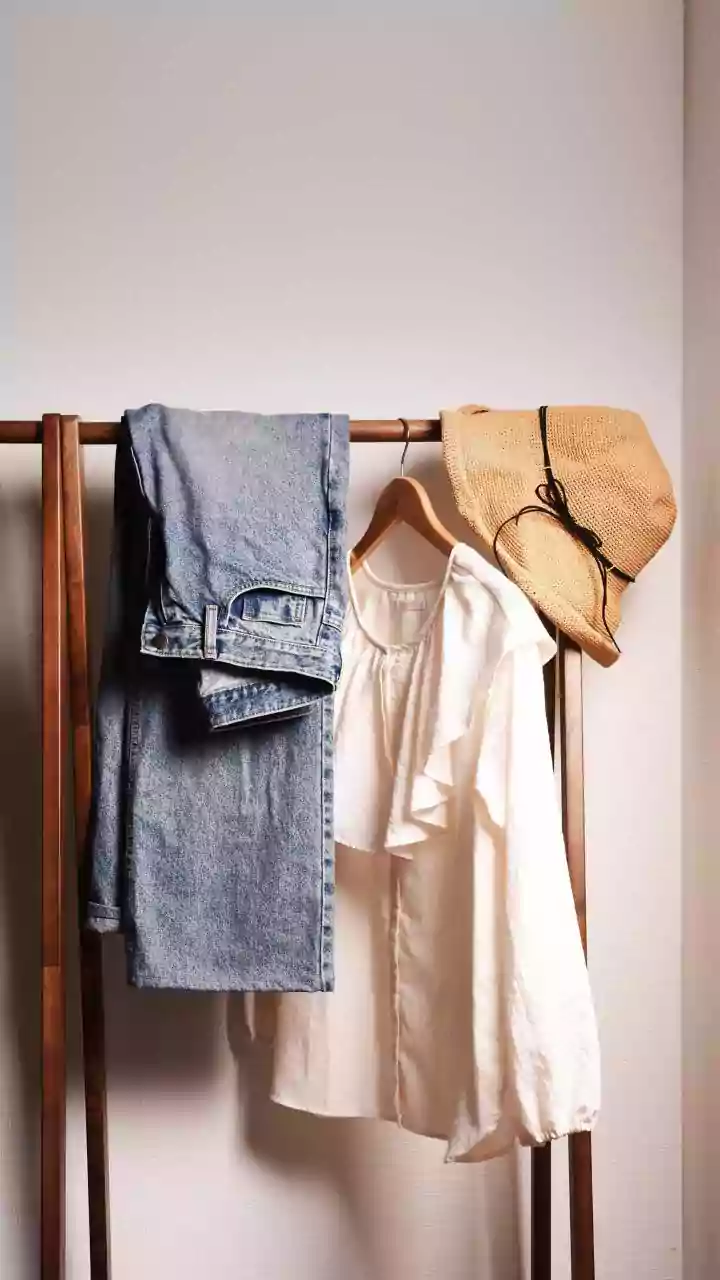
In the face of this chaos, a planned purchase becomes an act of rebellion and self-care. It means shifting from being a reactive consumer to a proactive wardrobe architect. A planned purchase isn’t about trends; it’s about your life. It’s an item you’ve thought about, identified a need for, and know will integrate with what you already own. It might be a quality coat you save up for, a pair of shoes that fits perfectly, or a classic shirt that will serve you for years. This approach requires patience. It involves taking inventory of what you have, identifying gaps, and creating a wishlist. Instead of browsing aimlessly, you shop with purpose, looking for specific pieces that meet your criteria for style, function, and quality. This method turns shopping from a dopamine-driven impulse into a satisfying, intentional act.
A Simple Guide to Intentional Shopping
Making the switch to planned purchasing doesn't have to be daunting. Start small. Before you shop, audit your wardrobe to understand what you actually own and wear. From there, create a running list of items you genuinely need or want. When you feel the urge to buy something, consult your list. Ask yourself: Can I style this with at least three other items I already own? Will I realistically wear this more than 30 times? Avoid micro-trends and focus on staples that form the foundation of your personal style. Consider the materials and construction, opting for quality that will last. By setting a budget and shopping with a specific goal, you can sidestep the psychological traps set by fast fashion and fill your wardrobe with pieces you truly love and value.