





The New Social Currency
Not too long ago, conversations among young people revolved around exams, career plans, or the latest movie release. Today, a new topic has forcefully entered the chat: fitness. It’s no longer just a personal hobby or a quiet New Year’s resolution. For
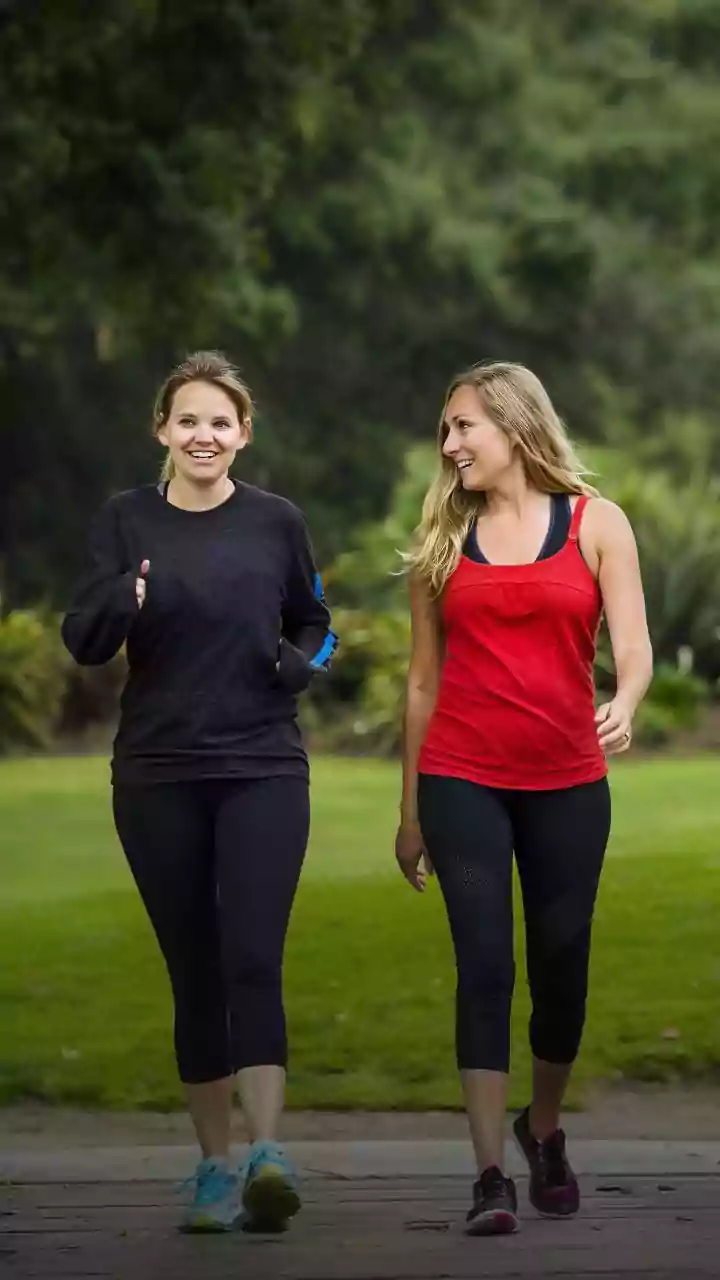
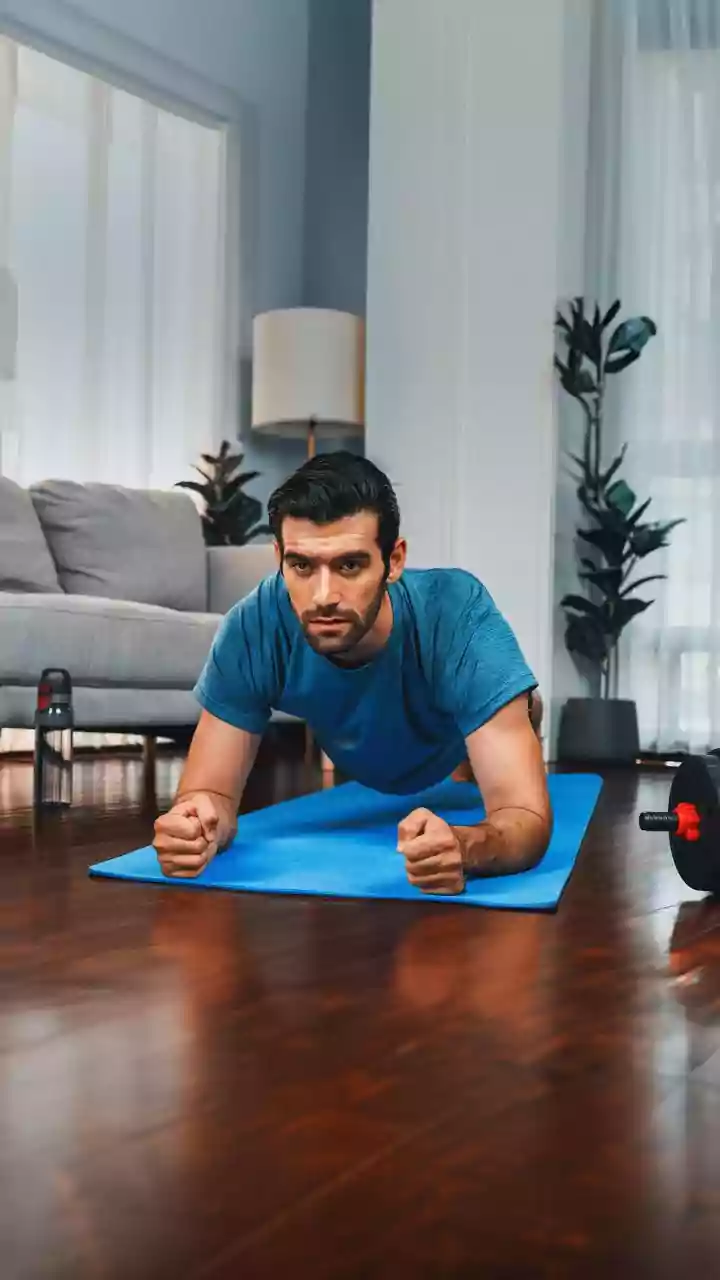
a significant portion of Indian Gen Z and younger millennials, fitness has become a primary form of social currency. It’s a marker of identity, discipline, and even status. Posting a sweaty post-workout selfie, sharing a video of a new ‘personal record’ (PR) on a lift, or displaying a meticulously prepared meal on Instagram Stories is a public declaration. It says, “I am dedicated, I am improving, I am in control.” In a world saturated with digital personas, the physical effort and visible results of fitness offer a tangible, almost undeniable, form of self-presentation.
From Wellness to Aesthetics
While a post-pandemic surge in health consciousness is certainly a factor, the current trend is heavily driven by aesthetics. The visual-first nature of platforms like Instagram and YouTube has created a powerful feedback loop. Fitness influencers, with their chiselled physiques and aspirational lifestyles, have become the new celebrities. They don’t just offer workout tips; they sell an entire aesthetic. This has shifted the goalposts from simply ‘being healthy’ to achieving a specific look—be it defined abs, toned arms, or a certain body fat percentage. The conversation is less about long-term cardiovascular health and more about ‘cutting’ for definition or ‘bulking’ for size. This aesthetic focus is a double-edged sword, providing clear motivation for some while creating immense pressure for others.
The Language of the Gym
Every powerful subculture develops its own language, and the youth fitness movement is no exception. A lexicon that was once confined to bodybuilders and professional athletes has now gone mainstream. Friends discuss their ‘macros’ (macronutrients: protein, carbs, fat) with the same intensity they once debated cricket stats. The agony of ‘leg day’ is a shared cultural experience, a meme-worthy struggle that builds camaraderie. Terms like ‘caloric deficit,’ ‘progressive overload,’ and ‘HIIT’ (High-Intensity Interval Training) are casually dropped into conversations. This shared vocabulary does more than just describe activities; it reinforces the group’s identity, creating an in-group of those who ‘get it’ and an out-group of those who are still on the outside of this burgeoning culture.
An Industry in Overdrive
This cultural shift is mirrored, and amplified, by a booming industry. The Indian fitness market has exploded. Modern, well-equipped gyms and boutique fitness studios are opening in Tier-1 and Tier-2 cities at a rapid pace. The supplement industry, once a niche market, now sees huge sales in whey protein, creatine, and pre-workout formulas, heavily marketed towards young consumers. Athleisure is no longer just for the gym; it’s a dominant fashion trend. Fitness apps, wearable tech, and online coaching platforms have further democratised access to fitness information, making it easier than ever for a young person in a small town to follow the same regimen as an influencer in Mumbai. This commercial ecosystem constantly fuels the conversation, ensuring that fitness remains top-of-mind.
The Dark Side of the Grind
However, this intense focus on the physical form is not without its pitfalls. The relentless pursuit of an idealised body, often based on digitally altered images, can lead to significant mental health challenges. Body dysmorphia, a condition where one can't stop thinking about perceived flaws in their appearance, is a growing concern. The constant comparison on social media can foster feelings of inadequacy and anxiety. There's also the physical risk of injury from improper form or overtraining, driven by the pressure to lift heavier and push harder. Furthermore, the meticulous tracking of food can sometimes spiral into disordered eating patterns. The 'no days off' and 'hustle' mentality, while motivating on the surface, can promote an unhealthy relationship with both exercise and rest.