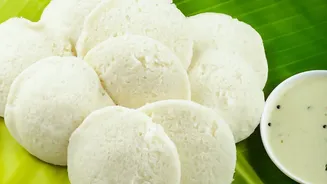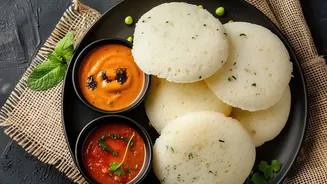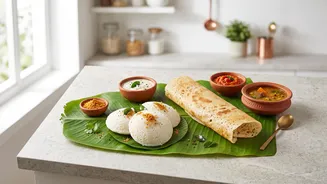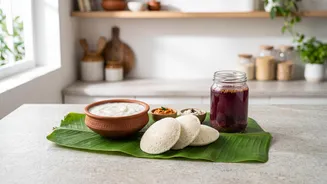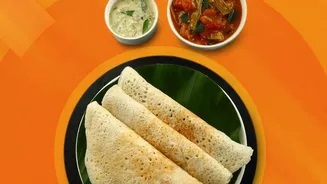




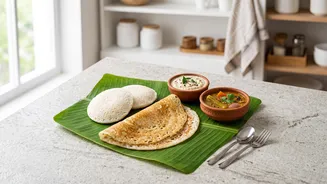
That comforting plate of soft idlis or a crisp dosa is more than just a delicious meal. It’s a centuries-old tradition packed with the science of wellness, working wonders for your digestive health and how your body absorbs vital nutrients.
The Ancient Magic of Fermentation
For generations,
Indian kitchens have harnessed the power of fermentation, a natural process where microorganisms like beneficial bacteria and yeast transform food. Think of the batter for idli and dosa that’s left to sit overnight. During this time, these tiny microbes get to work, breaking down the complex starches and proteins in the rice and lentils. This 'pre-digestion' not only creates the beloved sour tang and fluffy texture but also turns the food into a powerhouse of gut-friendly goodness. This age-old technique is essentially nature’s way of enhancing food, making it both easier to digest and more nutritious long before 'gut health' became a wellness buzzword.
A Natural Boost for Your Digestion
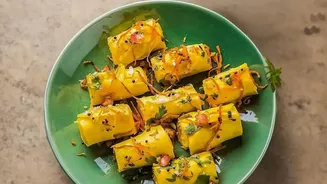
One of the most significant benefits of fermented foods is their positive impact on digestion. They are rich in probiotics, which are live, beneficial bacteria that help maintain a healthy balance in your gut microbiome. A healthy gut environment is crucial for smooth digestion, reducing common issues like bloating and indigestion. When you eat foods like dahi (curd), dhokla, or kanji, you are introducing these helpful microbes into your system. These probiotics produce enzymes that continue breaking down food, making it simpler for your body to process and absorb, which is why meals like idli often feel so light on the stomach.
Unlocking Your Food’s Full Potential
It’s one thing to eat nutritious food; it's another for your body to actually absorb and use those nutrients. This is known as bioavailability. Many plant-based foods, including grains and legumes, contain substances called 'anti-nutrients', such as phytic acid. Phytic acid can bind to essential minerals like iron, zinc, and calcium, preventing your body from absorbing them effectively. The fermentation process is a game-changer here. The microbes break down these anti-nutrients, effectively 'unlocking' the minerals and making them much more available for your body to use. This means you get more nutritional value from the same ingredients.
More Than Just Better Digestion
The benefits don’t stop at digestion and mineral absorption. The microorganisms involved in fermentation are also tiny vitamin factories. They can synthesize and increase the levels of certain B vitamins, including B12, niacin, thiamine, and folic acid. This makes fermented foods an important source of these crucial nutrients. Furthermore, a healthy gut is directly linked to a strong immune system, as a large portion of our immune cells reside in the gut. Regularly consuming probiotic-rich foods can help strengthen the gut lining, reduce inflammation, and enhance your body's ability to fight off infections. Studies have even shown that a diet rich in fermented foods can increase the diversity of your gut microbes, which is a key marker of good health.
A Guide to India’s Fermented Treasures
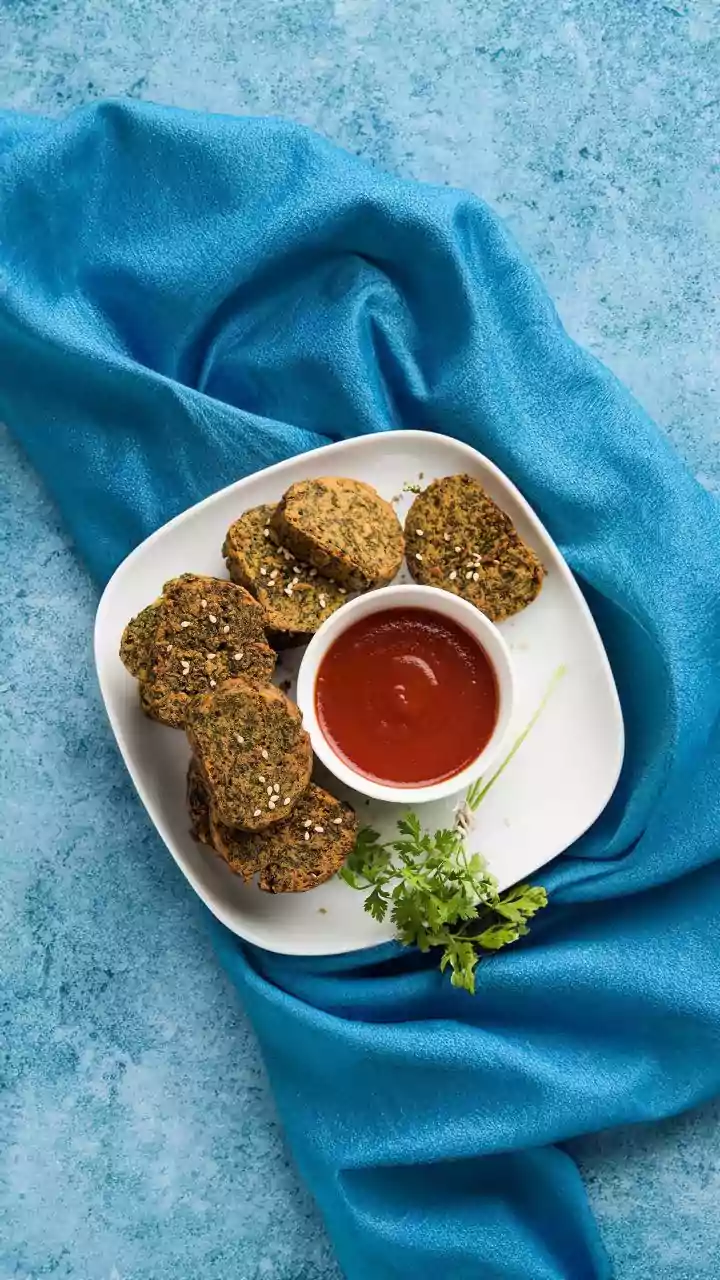
Indian cuisine is brimming with delicious fermented options beyond the wellknown idli and dosa. Dahi, a staple in almost every household, is an excellent source of probiotics that aid digestion. Dhokla from Gujarat, made with fermented gram flour or rice batter, is a proteinrich and easily digestible snack. From North India comes Kanji, a tangy drink made from fermented black carrots or beets that is packed with antioxidants and probiotics. Even traditional homemade pickles (achaar), when naturally fermented, can contribute to your gut's microbial diversity. Exploring these regional specialties is a flavorful way to support your wellbeing.