





A City Transformed by Rain
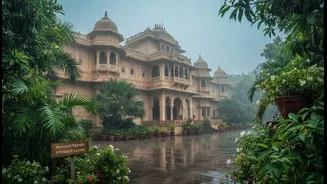
Typically associated with the dry heat of Rajasthan, Udaipur undergoes a breathtaking metamorphosis from July to September. The monsoon rains quench the thirsty landscape, transforming the arid Aravalli hills into a panorama of lush, vibrant green. This
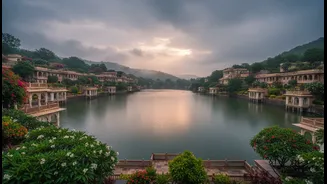
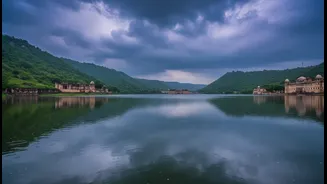
seasonal makeover provides a stunning backdrop to the city's iconic white marble palaces and heritage properties. The lakes, the very heart of Udaipur's identity, swell to their full capacity. Lake Pichola and Fateh Sagar, which can recede during the hot summer, become vast, shimmering sheets of water, offering dramatic reflections of the City Palace and Jag Mandir. This period offers a softer, moodier, and arguably more atmospheric version of the city, a far cry from the sun-drenched images seen in most travel guides.
Peak Luxury, Off-Peak Prices
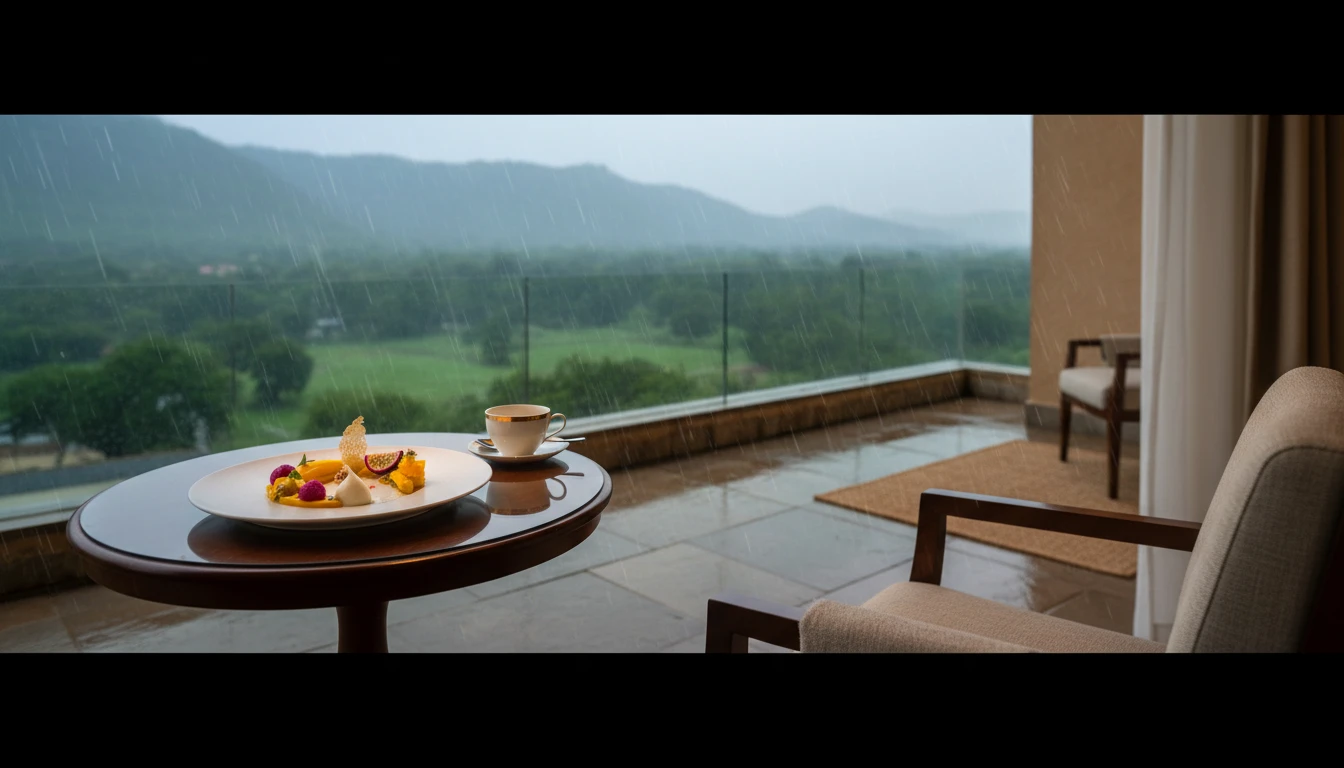
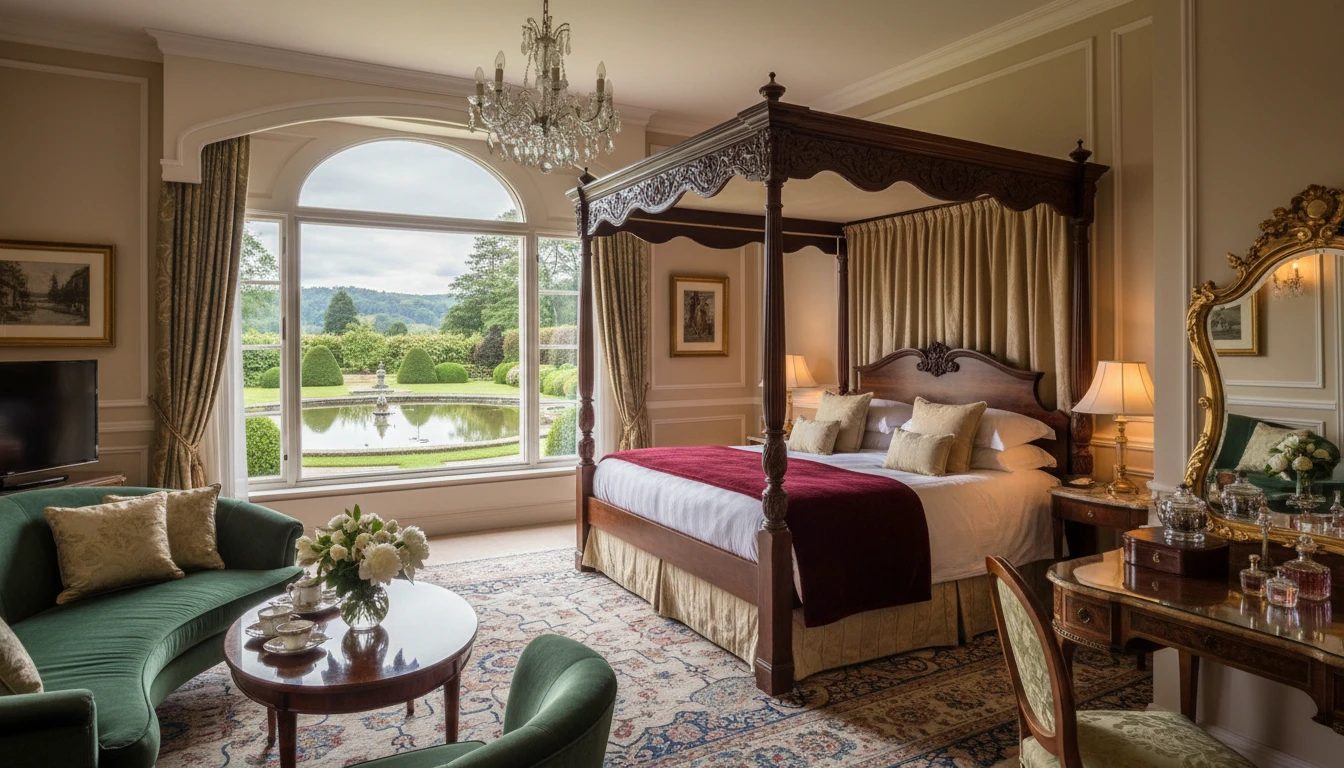
One of the most compelling reasons for the monsoon tourism surge is the exceptional value it offers. The period is traditionally considered the off-season, meaning luxury and 5-star hotels that command premium prices during the peak winter months become significantly more accessible. Travellers can find discounts of up to 40% on room rates at some of the most coveted lakeside properties. Many hotels sweeten the deal further with monsoon packages that include complimentary meals, spa discounts, or late check-outs. This trend allows visitors to experience the opulence of world-renowned hotels like The Oberoi Udaivilas, Taj Lake Palace, or The Leela Palace without the peak-season price tag, making a truly lavish getaway a practical reality.
What to See and Do in the Rain
Worries about rain disrupting sightseeing are largely unfounded, as Udaipur typically experiences moderate showers in the afternoon rather than continuous downpours. In fact, many activities are enhanced by the weather. A boat ride on a full Lake Pichola becomes a serene experience, gliding past the magnificent City Palace and Jag Mandir under dramatic monsoon skies. A drive up to the Sajjangarh Palace, aptly named the Monsoon Palace, is a must-do. Perched on a hilltop, it was built specifically to watch the monsoon clouds roll in, and on rainy days, you can find yourself literally walking through the clouds. The cooler temperatures, often hovering between 25°C and 32°C, are perfect for exploring the city's gardens, like Saheliyon-ki-Bari, and enjoying the local ritual of sipping hot masala chai by Fateh Sagar Lake.
Fewer Crowds and a Slower Pace
Beyond the scenic beauty and financial savings, the monsoon offers a more relaxed and intimate travel experience. With fewer tourists compared to the packed winter months, you can explore iconic sites like the City Palace and its museums without jostling for space. This allows for a deeper appreciation of the intricate architecture and historical ambience. The ghats are quieter, the cafes are less crowded, and the city adopts a more tranquil pace. This relative quietness is a luxury in itself, providing a chance to connect with the city's soul. For photographers and nature lovers, the combination of moody light, green landscapes, and quiet corners makes this season a creative dream.
Practical Tips for a Monsoon Visit
Planning a monsoon trip to Udaipur is straightforward. The city remains well-connected and is not prone to major flooding. The best window is often from late July to early September, which typically offers a good balance of lush scenery and manageable rainfall. Pack a lightweight raincoat or an umbrella and comfortable, waterproof footwear suitable for walking on wet, uneven surfaces. While the rainfall is usually limited to a few hours, it’s wise to keep your itinerary flexible. Boat rides may pause during heavy showers, but they resume quickly. Even with it being the off-season, the trend is growing, so it’s advisable to book popular lakeside hotels a few weeks in advance to secure the best rooms and deals.