


Understanding the Currency Impact
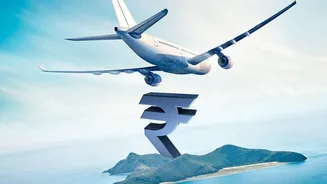
When the rupee weakens, it means you need to spend more rupees to buy a single unit of a foreign currency, like the US dollar or the Euro. For instance, if the exchange rate moves from ₹90 to ₹95 for one US dollar, every dollar you spend now costs you an extra
five rupees. While this seems small, it quickly adds up. A trip budgeted at $3,000 would suddenly cost you ₹15,000 more, without any change in your plans. This currency depreciation can increase the overall cost of a foreign trip by anywhere from 10% to 20%.
Why Flight Tickets Get Pricier
Airlines are significantly exposed to foreign currency fluctuations, especially the US dollar. Major operational costs, including aircraft leases, maintenance, and, most importantly, fuel, are typically priced in dollars. When the rupee falls, airlines have to pay more in their home currency to cover these dollar-denominated expenses. To protect their profit margins, they often pass these increased costs on to consumers in the form of higher airfares. This is why you might see ticket prices for international routes rise even when there's no obvious surge in demand.
The Effect on Hotels and Accommodation
The impact on hotel costs is more direct. When you book a hotel in another country, the price is set in the local currency. If you're travelling to the US or Europe, your budget in rupees simply won't stretch as far. A hotel room that costs $150 a night would have been ₹13,500 at an exchange rate of ₹90/dollar, but it becomes ₹14,250 at a rate of ₹95/dollar. This price difference applies to every night of your stay, making a week-long trip considerably more expensive. The same logic applies to pre-booked tour packages, which can see costs rise by 8-14% due to currency shifts alone.
The Hidden Costs of Shopping and Spending
Beyond flights and hotels, a weak rupee affects every purchase you make on your trip. Everything from your morning coffee and meals to sightseeing tickets and souvenirs will cost more in rupee terms. Furthermore, using your domestic credit or debit card can attract extra charges. Many banks levy a foreign transaction fee, which can be 3-5% of the purchase amount. You might also encounter Dynamic Currency Conversion (DCC), where you're offered the choice to pay in rupees. While convenient, this often comes with an unfavourable exchange rate, adding another layer of hidden costs.
How to Travel Smarter and Save Money
While you can't control exchange rates, you can take steps to mitigate the financial damage. Booking flights and hotels well in advance can help you lock in prices before they rise further. Using a multi-currency forex card is another smart move, as it allows you to load foreign currency at a fixed rate, protecting you from further fluctuations. When paying with a card abroad, always choose to pay in the local currency to avoid the poor rates associated with DCC. Some travellers also opt for destinations where the rupee holds stronger, such as in parts of Southeast Asia, to make their budget go further.