


What are the Proposed BS-VII Norms?
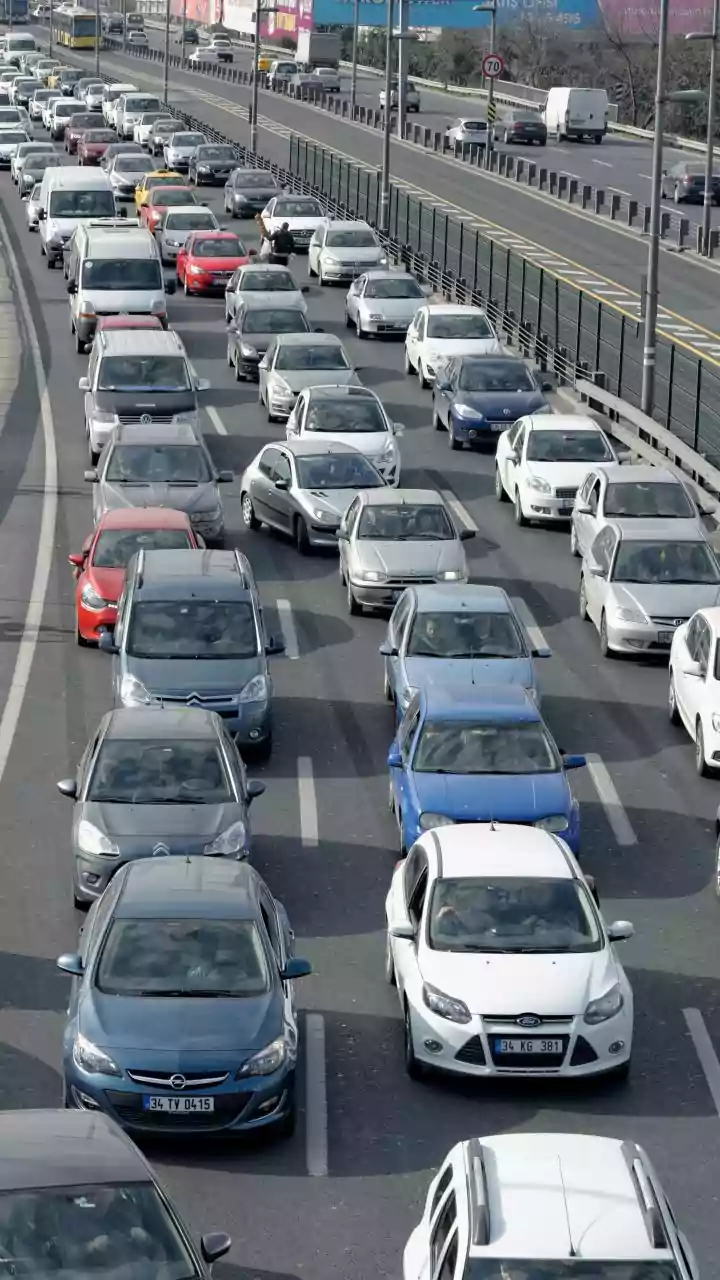
The Ministry of Road Transport and Highways (MoRTH) has released a draft notification for the implementation of Bharat Stage VII (BS-VII) emission standards. These new rules are designed to further reduce vehicular pollution by setting stricter limits
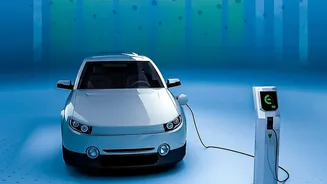
and expanding the scope of regulations. Unlike previous updates, BS-VII looks beyond just tailpipe emissions, proposing to regulate pollution from brake wear and tyre abrasion for the first time. The norms are modelled broadly on Europe's stringent Euro 7 standards and will also introduce requirements for the durability of batteries in electric and hybrid vehicles.
The Phased Rollout Plan
The government has proposed a gradual, multi-phase implementation to give manufacturers time to adapt. Phase 1 is set to begin on April 1, 2029, initially applying to newly manufactured M1 category passenger vehicles, which includes most cars and SUVs. Following this, light commercial vehicles and pick-up vans will come under the new norms in 2030. Finally, heavy-duty trucks and buses are scheduled to adopt BS-VII standards from April 2031. The full rollout, including further tightening of rules, is planned to continue in stages until 2035. A separate timeline for two-wheelers is expected to be announced later.
Key Changes from BS-VI
While BS-VI was a major leap from BS-IV, the proposed BS-VII norms introduce more nuanced and comprehensive changes. A significant shift is the focus on Real Driving Emissions (RDE). While RDE testing was introduced in the BS-VI era, BS-VII aims to tighten compliance by ensuring vehicles meet standards on the road, not just in the lab. Another key change involves particulate matter; while the core limits for pollutants like NOx and CO remain similar to BS-VI for passenger cars, BS-VII will measure finer particles down to 10 nanometres, capturing more of the harmful ultrafine particles. Additionally, the new rules mandate On-Board Monitoring (OBM) systems to continuously track a vehicle's emissions throughout its life.
Going Beyond the Tailpipe
A groundbreaking aspect of the BS-VII proposal is the regulation of non-exhaust emissions. For the first time, there will be limits on particulate matter generated from brake wear and microplastics from tyre abrasion. These sources are significant contributors to pollution, even in electric vehicles. The draft proposes limits on brake particles starting from 2031, with different standards for EVs and traditional engine vehicles, which will eventually be unified in 2035. This holistic approach acknowledges that all vehicles, regardless of their powertrain, contribute to particulate pollution.
What It Means for Consumers and Carmakers
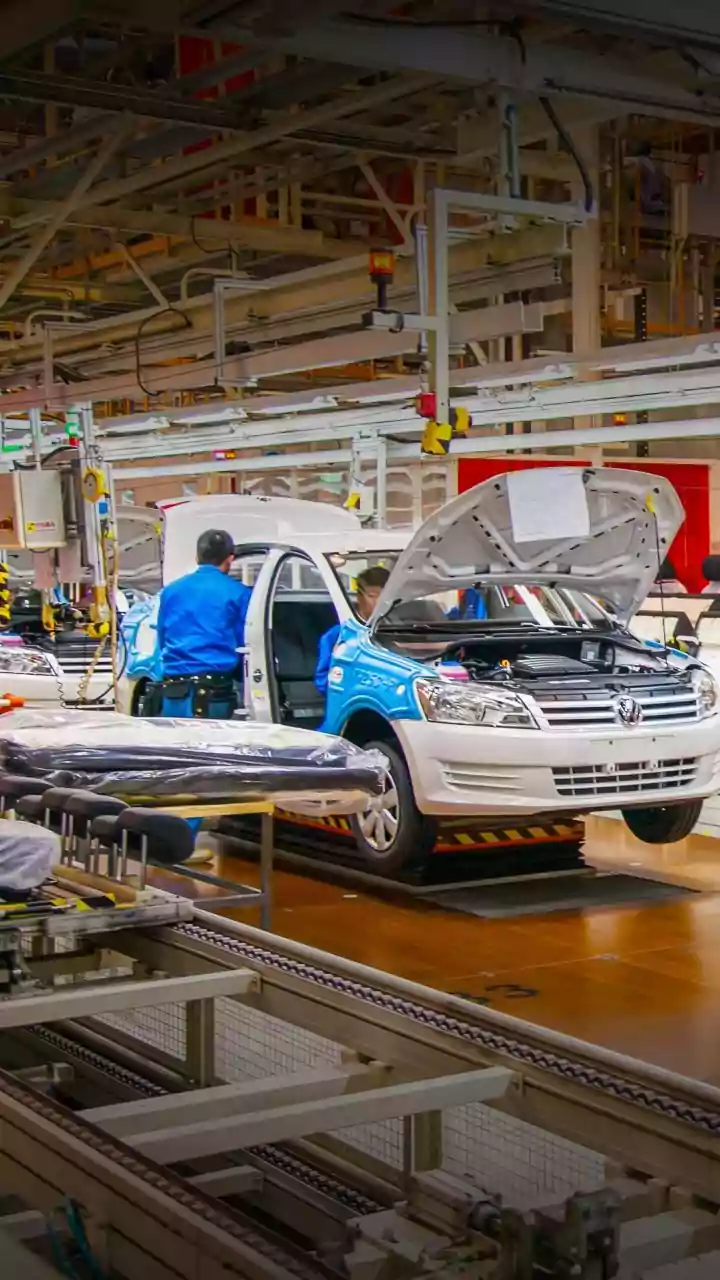
For consumers, the shift to BS-VII will likely mean cleaner, more technologically advanced vehicles, but it may also come with a higher price tag. The need for advanced emission-control systems, new sensors, and On-Board Monitoring technology will increase manufacturing costs, which are often passed on to the buyer. The rules also specify durability requirements, ensuring emission systems work for up to 200,000 km or 10 years. For automakers, the transition presents a significant engineering challenge, requiring investment in R&D and changes to production lines. Unlike the BS-VI transition, this update will not require major changes to fuel at refineries, placing the burden of adaptation squarely on vehicle manufacturers.