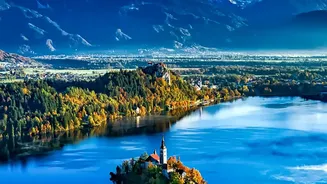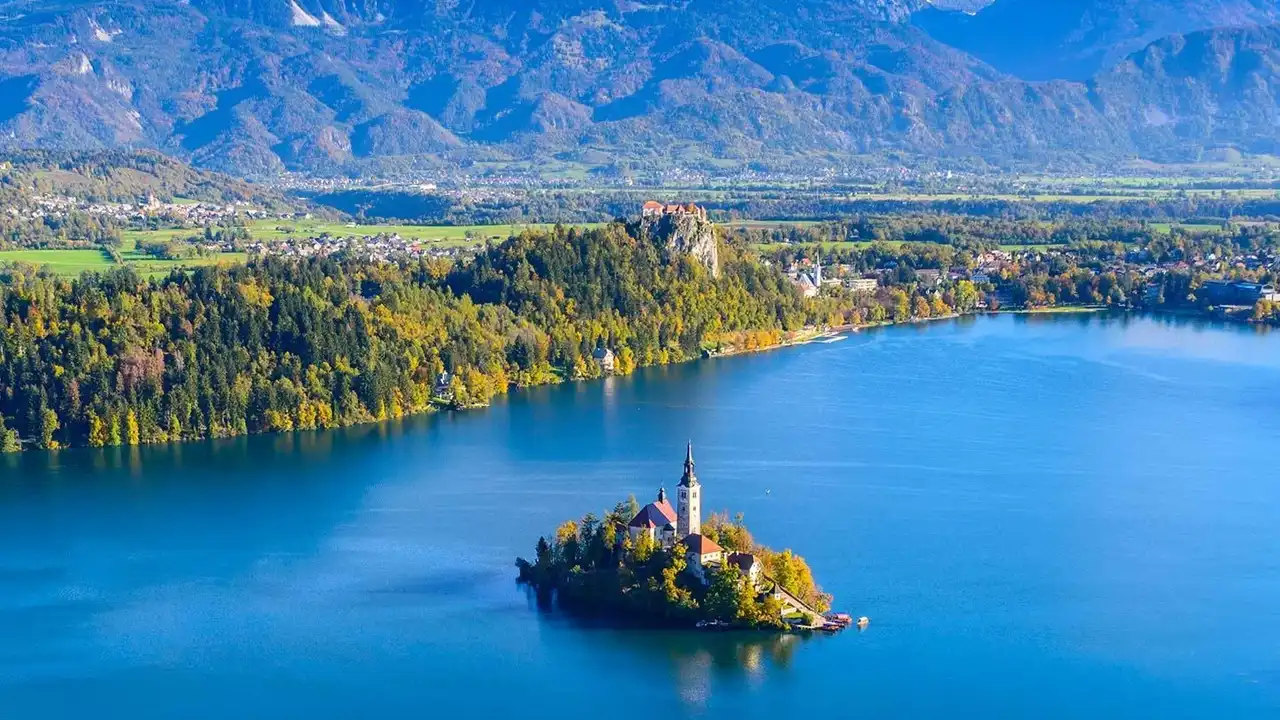



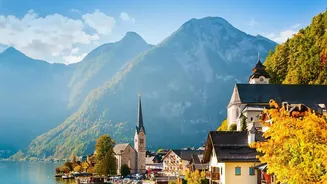
Slovenia's alpine lakes, with their fairytale churches and emerald waters, are a dream destination. But their popularity can mean high prices. The secret to an affordable and authentic visit lies in the region's charming family-run guesthouses.
The Authentic World of 'Sobe' and 'Apartmaji'
Across
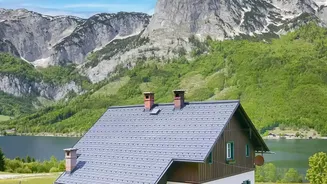
Slovenia, particularly in scenic areas like Lake Bled and Lake Bohinj, a significant portion of accommodation is offered not by large hotel chains, but by local families. These are known as 'sobe' (rooms) or 'apartmaji' (apartments). A 'sobe' might be a simple room in a family home with a shared or private bathroom, often including breakfast. An 'apartma' is typically a self-contained unit with its own kitchen, offering more independence. This type of lodging is a long-standing tradition in Slovenian tourism, providing a foundation for visitors to experience the country with a personal touch. The owners often live on-site, acting as invaluable guides who can offer tips on the best local restaurants, hidden hiking trails, and cultural nuances that you won't find in a guidebook.
Why Family-Run Stays Cut Costs
The price difference between a hotel and a family-run guesthouse can be significant. A recent search shows that while hotel rooms in the Bled town centre can command high prices, especially in peak season, guesthouses and private rooms in the same area or in nearby villages offer a much more budget-friendly alternative. For example, guesthouse doubles can be found for €50-90 per night, whereas lakefront hotels are considerably more expensive. This affordability stems from a different business model. These small operations have lower overheads, are often run by just the family members, and rely on word-of-mouth and positive reviews rather than expensive marketing campaigns. This allows them to offer comfortable lodging at a fraction of the cost of a full-service hotel.
More Than Just an Affordable Bed
Choosing a family-run stay is about more than just saving money; it’s about a richer travel experience. Many of these guesthouses, especially 'tourist farms' ('turistične kmetije'), offer homemade breakfasts with ingredients sourced directly from their gardens. Imagine starting your day with fresh bread, local cheeses, homemade jams, and cured meats before you head out to explore. This hospitality creates a direct connection with Slovenian culture and tradition. It provides an authentic glimpse into local life that a more impersonal hotel stay simply cannot match. Hosts are often eager to share their heritage, making your stay feel less like a transaction and more like visiting a friend.
Your Gateway to Alpine Adventure
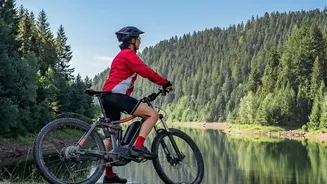
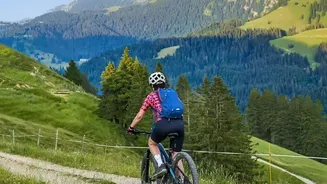
While some guesthouses are in the heart of bustling towns like Bled, many are located in quieter surrounding villages or the more tranquil area of Lake Bohinj. This can be a major advantage for those looking to escape the crowds and immerse themselves in nature. Staying just a short drive or bus ride away from the main attractions often means more peace and better value. These locations serve as perfect bases for hiking, cycling, and swimming. For families, tourist farms are particularly appealing, offering children open spaces to play and the chance to interact with farm animals, an experience that is both educational and memorable.
How to Find and Book Your Stay
Finding these local gems is easier than ever. While major booking platforms list many guesthouses and apartments, it's also worth checking Slovenia's official tourism website, which often features a directory of accommodations, including tourist farms. Booking directly with the property can sometimes result in better rates or added perks. When searching, look for terms like 'penzion' (pension), 'gostišče' (guesthouse), 'sobe', and 'apartmaji'. Reading recent reviews can give you a clear picture of the host's hospitality and the property's condition. For summer travel, especially in July and August, it’s wise to book several months in advance as the best and most affordable places fill up quickly.