

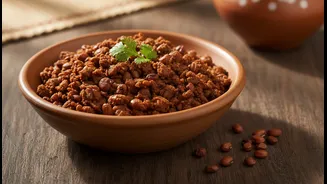
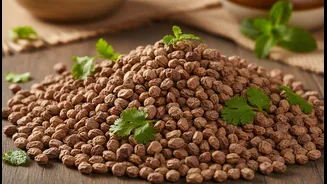
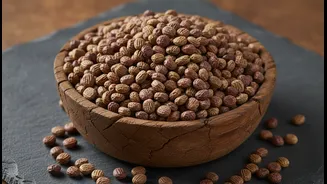


The Forgotten Superfood
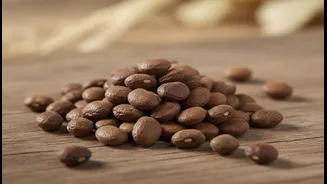
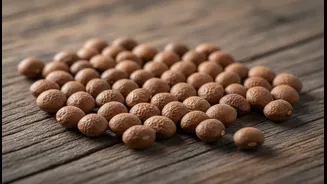
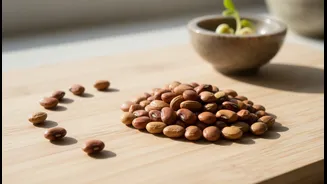
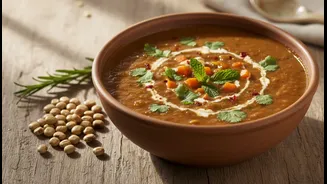
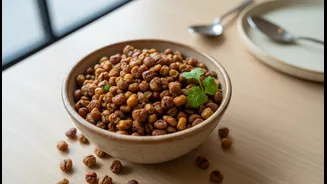
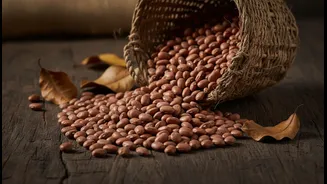
Known as kulthi in Hindi, kollu in Tamil, and ulavalu in Telugu, horse gram (Macrotyloma uniflorum) is one of India's oldest cultivated pulses. For centuries, it was valued for its incredible resilience, thriving in dry, tough conditions where other crops
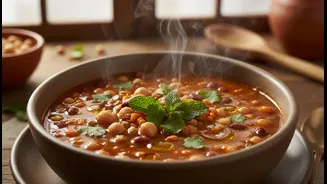
would fail. Its primary role was often as nutritious fodder for cattle and horses—hence the name—with its use in human diets being largely confined to rural and traditional households. These communities have long appreciated it, using it in warming winter rasams and hearty dals to provide strength and sustenance. However, in the rapidly urbanizing kitchens of modern India, this hardy legume was largely forgotten, overshadowed by more common lentils and imported health trends.
A Nutritional Powerhouse Awakens
The resurgence of horse gram is powered by a renewed appreciation for its incredible nutritional profile. Scientists and health advocates alike celebrate it as a superfood. It boasts one of the highest protein contents among pulses, making it an excellent source for vegetarians and vegans. It is also packed with dietary fibre, which aids in digestion and promotes a feeling of fullness, supporting weight management. Furthermore, horse gram is a treasure trove of essential minerals like iron, calcium, and phosphorus. Its low glycemic index is beneficial for managing blood sugar levels, and it is loaded with antioxidants like polyphenols, which help combat oxidative stress in the body. These properties, long recognized in Ayurvedic traditions for treating various ailments, are now being validated by modern science, making it irresistible to young, health-aware Indians.
From Rustic Staple to Urban Chic
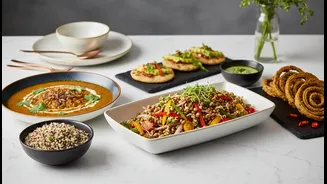
The real magic of horse gram's comeback lies in its culinary reinvention. As young Indians increasingly look towards their roots for wellness solutions, chefs, food bloggers, and home cooks are breathing new life into this traditional ingredient. They are moving beyond the classic dal and rasam preparations, though these remain beloved staples. The new wave of recipes incorporates horse gram in forms that are familiar and appealing to the millennial and Gen Z palate. Think sprouted horse gram salads tossed with fresh veggies and a zesty dressing, or protein-rich parathas stuffed with a spiced horse gram filling. The earthy, nutty flavour of the pulse is proving to be incredibly versatile.
Beyond the Traditional Dal
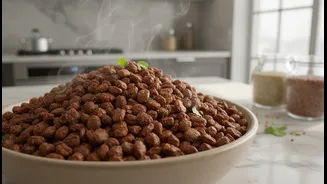
Creativity is at an all-time high. The lentil is being ground into flour to create nutritious idlis, dosas, and even baked goods. Food enthusiasts are making horse gram tikkis and cutlets, offering a healthier alternative to potato-based snacks. It's being blended into creamy hummus, used in hearty soups, and even finding its way into vegetarian chili. Some are even making powders that can be easily added to smoothies or porridge for a quick nutritional boost. This adaptability allows the pulse to seamlessly integrate into modern lifestyles, providing both the comfort of tradition and the excitement of novelty. Preparing horse gram does require some patience—it needs to be soaked overnight and pressure-cooked for a significant time to become tender—but the delicious and healthy results are proving to be well worth the effort for a new generation of foodies.