


A Landmark Achievement in Delhi
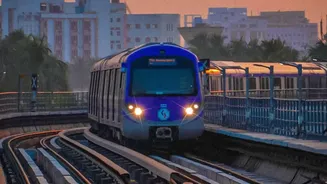
On November 2, 2026, Delhi Metro’s driverless network achieved a remarkable milestone, carrying an eye-popping 1.6 million passengers in a single day amid the pre-Diwali rush. This figure means that one in every five passengers on the entire network travelled
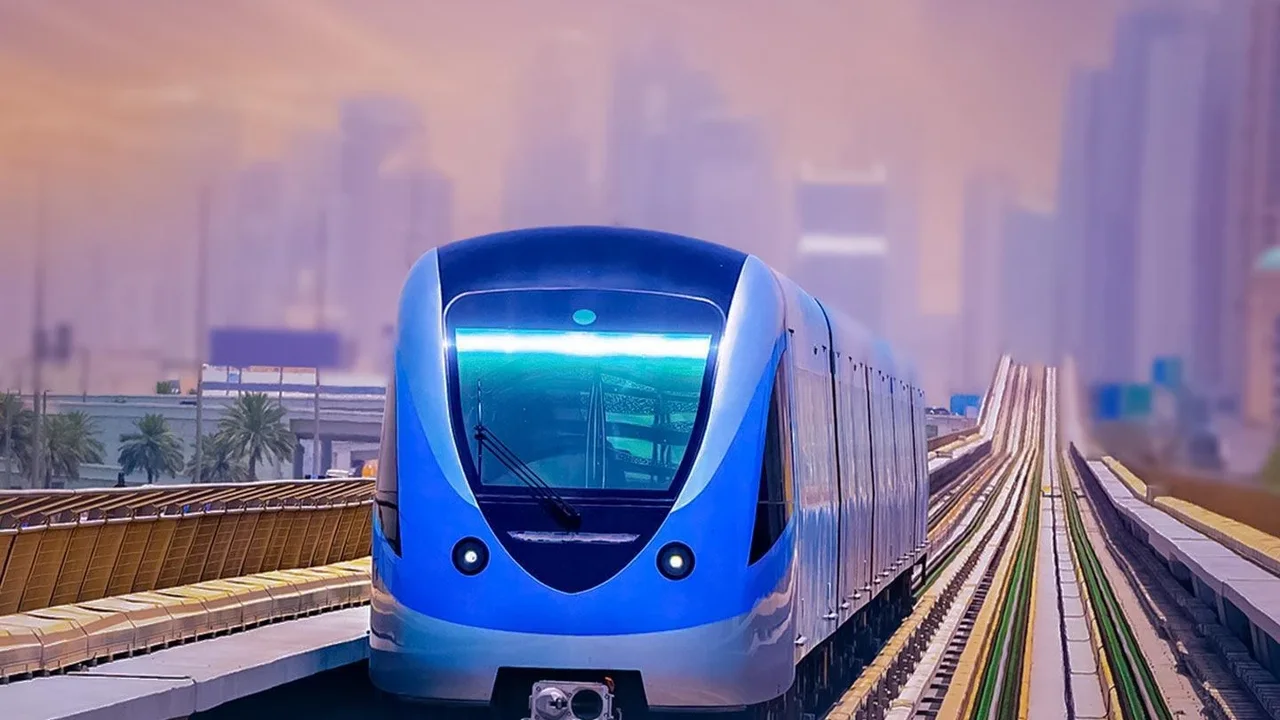
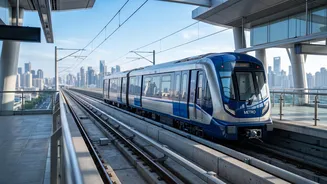
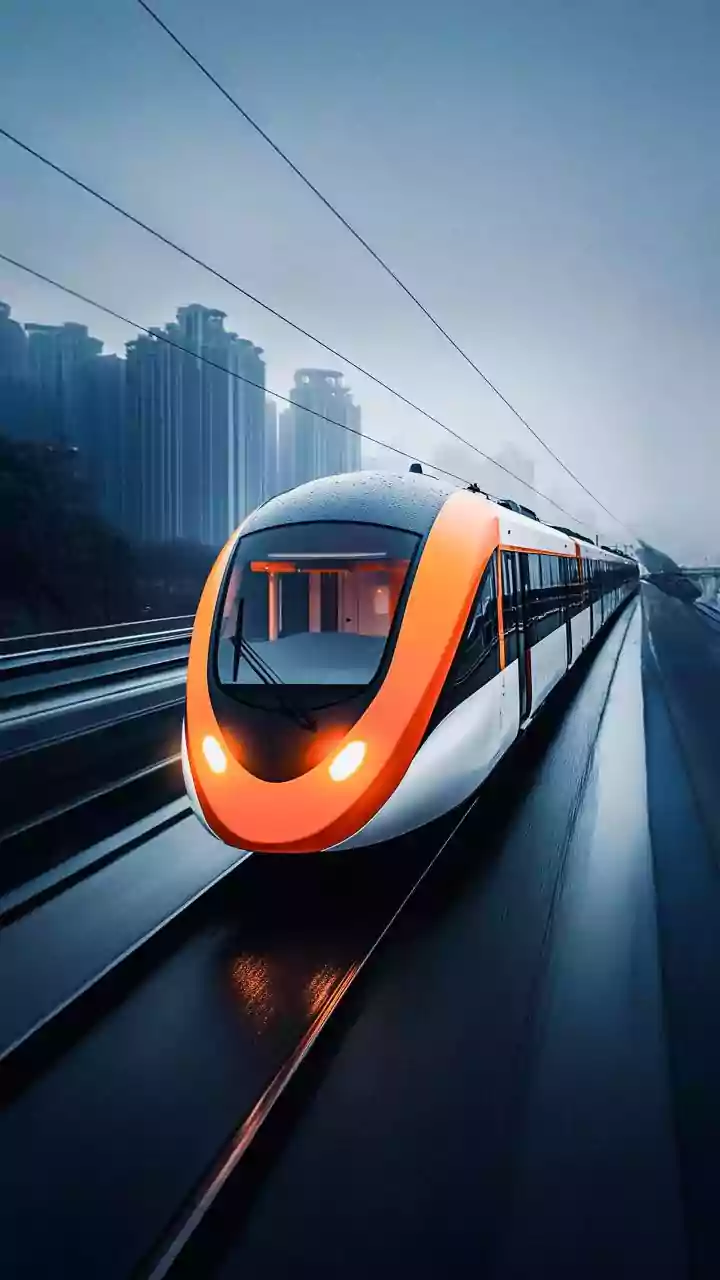
on an automated train. The success is centered on the Magenta and Pink Lines, which together form a driverless network of nearly 120 kilometres, operated by a fleet of 100 trains. This makes Delhi's driverless system one of the largest in the world. The technology, officially known as Unattended Train Operation (UTO) or Grade of Automation 4 (GoA4), allows for greater flexibility, reduces the chances of human error, and improves the frequency of services. The Delhi Metro Rail Corporation (DMRC) plans to expand this automated network to nearly 198 kilometres, further cementing its role as a pioneer in India's public transport sector.
The Technology Behind the Scenes
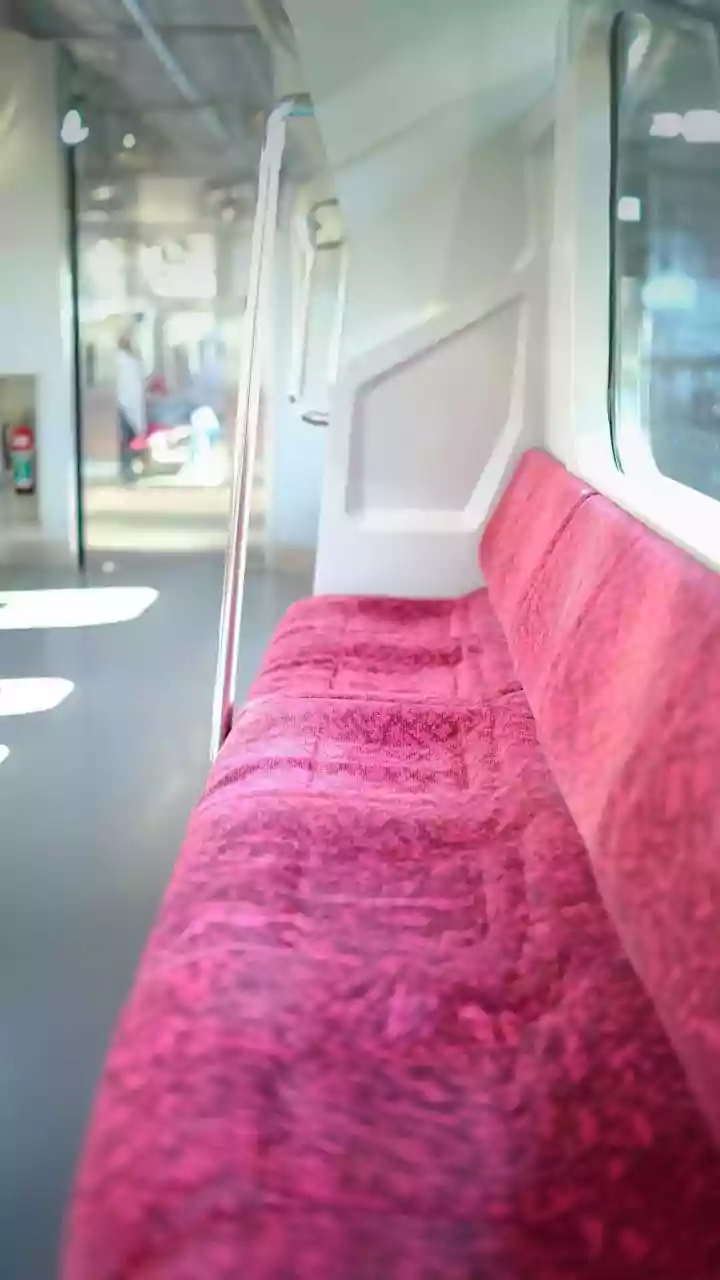
So, how do these trains run on their own? The magic lies in a sophisticated system called Communication-Based Train Control (CBTC). This technology allows the train to communicate continuously with the central control centre, which monitors its position, speed, and status in real-time. This eliminates the need for a driver in the cabin to manage acceleration, braking, and door operations. GoA4 automation represents the highest level of this technology, where trains are capable of operating automatically at all times, including handling emergencies without any onboard staff intervention. This not only ensures precision in arrival and departure times but also boosts safety by removing the element of human error from daily operations. The reliability is further enhanced by exhaustive self-tests the trains perform before starting service each day.
The Hurdles to a Nationwide Rollout
If driverless trains are so efficient, why aren't they running in every Indian city with a metro? The primary obstacle is cost and complexity. Implementing GoA4 technology requires entirely new signalling systems, train sets, and control infrastructure. It is most feasible to integrate this system from the ground up in a new line, rather than retrofitting older, existing corridors which are configured for manual or semi-automated operations. For many cities, the high initial capital investment is a significant deterrent. Some experts argue that India, with its lower staffing costs compared to developed nations, should conduct its own cost-benefit analysis rather than simply following global trends. There are also socio-economic concerns, such as the potential redundancy of train operators, although the DMRC has successfully redeployed its staff to other roles like station management and crowd control.
What is the Outlook for Other Cities?
Despite the challenges, the move towards automation is slowly gaining traction beyond the capital. Several other Indian cities are actively planning or implementing driverless technology for their upcoming metro phases. In Chennai, Alstom has already begun manufacturing 96 driverless metro cars for its Phase II project, which will operate with GoA4 automation. Mumbai is also preparing for a driverless future, with the first automated trainsets for its Metro Lines 4 and 4A expected to arrive in December 2026. Bengaluru and Nagpur are also in the process of incorporating driverless systems into their new lines. However, these are city-specific projects. As of now, there is no single, unified national policy or confirmed timeline for a pan-India rollout. Each city's metro authority is making decisions based on its unique financial and infrastructural context, meaning the dream of a nationwide driverless metro network remains a long-term vision.