



The Search for Inner Calm vs. Outward Expression
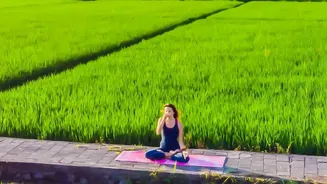
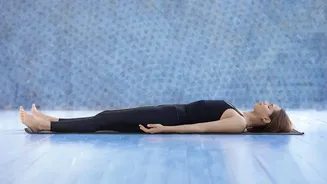
The enjoyment in yoga often stems from a deep sense of introspection and calm. It's a practice of turning your focus inward, connecting with your breath, and observing your body's movements without judgment. The goal is often to quiet the mind and reduce
stress by activating the body's relaxation response. This leads to a feeling of inner peace and mental clarity. In contrast, dance is fundamentally a form of outward expression. The joy comes from releasing emotions through movement, interpreting music, and communicating a story or feeling. While both practices build a strong mind-body connection, yoga’s enjoyment is found in stillness and self-inquiry, whereas dance's pleasure comes from expressive, dynamic movement.
The Rhythm of Breath vs. The Rhythm of Music
In yoga, the primary 'music' is the sound of your own breath. Linking breath to movement (pranayama) is a core principle that anchors you in the present moment and creates a meditative flow. While some modern yoga classes use music, many traditionalists prefer silence to avoid distraction and deepen self-awareness. Music in yoga, when used, is typically meant to set a mood rather than drive the movement directly. Dance, on the other hand, is almost inseparable from music. The joy is in syncing your body to a beat, feeling the rhythm, and letting the music guide your expression. This synergy can be a huge mood elevator, triggering the release of endorphins and serotonin, the brain's 'feel-good' chemicals. So, if you enjoy moving to a beat, dance offers an energising and cardio-centric experience that yoga typically does not.
A Solitary Journey vs. A Communal Celebration
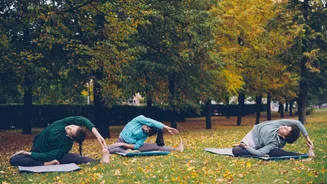
While you can practice both activities in a group, their social dynamics offer different kinds of enjoyment. A yoga class often feels like a shared space for individual journeys. Even when a room is full, the focus remains on your own mat, your own body, and your own experience. There's a sense of community, but it's a quiet, supportive one. Dance classes are inherently more social and interactive. The enjoyment often comes from the shared energy in the room, learning choreography with others, and sometimes, partner work. This social connection is a key component of its mental health benefits, fostering a sense of belonging and camaraderie. If your idea of enjoyment involves laughter and interaction, the communal celebration of a dance class might be more appealing.
Structured Poses vs. Creative Freedom
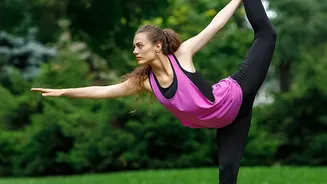
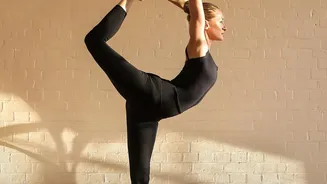
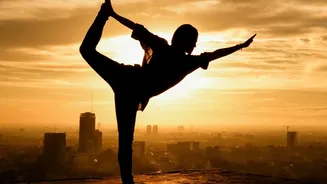
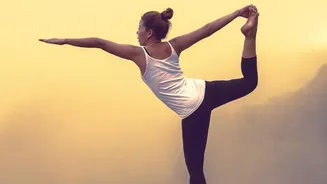
Yoga is built around a series of defined postures, or asanas, that are held or flowed through in a specific way. The enjoyment comes from mastering these forms, feeling your body grow stronger and more flexible within that structure. It’s a discipline where progress is measured by stability, alignment, and depth in a pose. While styles like Vinyasa offer a more fluid, dance-like experience, the foundation is still rooted in established postures. Dance offers a different kind of joy through creative freedom and spontaneity. Whether you are following choreography or freestyling, there is an element of performance and artistry. You are not just executing a movement; you are interpreting it. For those who find joy in creativity and spontaneous movement, dance provides an open canvas that the more structured world of yoga may not.