




What is Roasted Cumin?
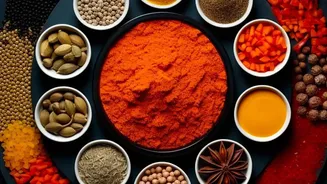
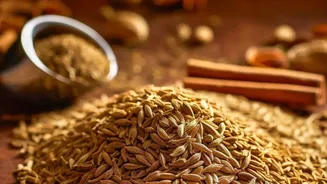
Roasted cumin, known as 'bhuna jeera' in Hindi, is a cornerstone of Indian cooking. It's made by dry-toasting whole cumin seeds in a pan until they darken and release a fragrant, smoky aroma. This simple act of toasting transforms the spice entirely.
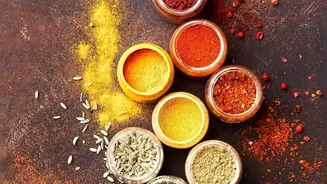
While raw cumin powder can be sharp and slightly bitter, roasting it mellows these harsh notes and introduces a complex, nutty, and almost sweet flavour. The heat releases the seeds' essential oils, creating a much more intense and aromatic powder than its untoasted counterpart. This is why freshly roasted and ground cumin is a staple in pantries and a key ingredient in everything from raitas and chaats to curries and dals.
How to Make Roasted Cumin Powder at Home
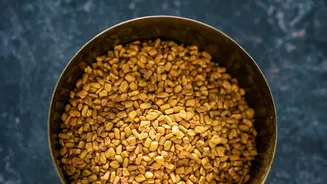
Making your own bhuna jeera is incredibly simple and takes less than ten minutes. Start by heating a dry, heavy-bottomed skillet over a low to medium flame. Add the whole cumin seeds in a single layer. It is crucial not to add any oil. Stir the seeds frequently to ensure they toast evenly and don't burn, which would result in a bitter taste. After a few minutes, the seeds will turn a darker shade of brown and become intensely fragrant, with a nutty, toasty scent. Some seeds might even start to pop. Once they reach a rich, dark brown colour, immediately transfer them from the hot pan to a plate to cool completely. This step is vital to stop the cooking process. Once cooled, grind the seeds into a powder using a spice grinder, coffee grinder, or a traditional mortar and pestle. You can grind it to a fine powder or leave it slightly coarse for more texture.
A Flavour Profile Showdown: Raw vs. Roasted
The difference between raw and roasted cumin is night and day. Raw cumin powder has a sharp, somewhat pungent, and earthy flavour. It is often used at the beginning of the cooking process, fried in oil to release its flavour into the base of a dish. Roasted cumin, however, has a much deeper, warmer, and smokier profile. The toasting process mutes the rawness and brings out nutty and even caramel-like notes. Because its flavour is already developed, roasted cumin powder is typically added towards the middle or end of cooking, or used as a finishing spice. A sprinkle over a finished dish like raita, dal, or chaat adds an immediate burst of aroma and a complex, savoury depth that raw cumin cannot replicate.
The Perfect Pairing: Smoky Cumin and Tangy Tamarind
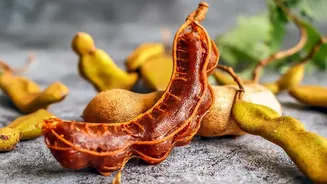
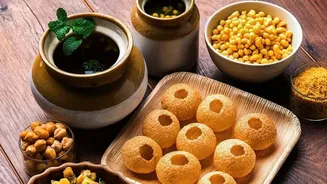
The magic of roasted cumin is amplified when paired with tamarind. These two ingredients are a classic combination in Indian cuisine for a reason. Tamarind provides a tangy, sour, and slightly sweet base that cuts through richness, while roasted cumin brings a smoky, earthy depth that grounds the tamarind's bright notes. Together, they create a harmonious balance of flavours that is both complex and refreshing. This pairing is foundational in many dishes, from the spicy, tangy water of pani puri (a popular street food) to hearty lentil dishes like khatti dal and various chutneys and sauces. The sourness of tamarind and the smokiness of the cumin complement each other, creating a layered taste experience that is quintessentially Indian.
Ideas for Your Kitchen
Now that you have your freshly made bhuna jeera, it's time to put it to use. The pairing with tamarind is a great place to start. Create a simple dipping sauce for snacks by mixing tamarind paste, roasted cumin powder, a little jaggery for sweetness, and some salt. For a flavourful marinade, combine tamarind paste with yogurt, roasted cumin, ginger, garlic, and turmeric for grilling vegetables or paneer. You can also elevate a simple vegetable stir-fry by adding a splash of tamarind water and a generous pinch of roasted cumin towards the end of cooking. And don't forget the classics: a sprinkle of roasted cumin over a bowl of yogurt (raita) or a refreshing buttermilk (chaas) is a simple way to enjoy its transformative power.