

Why Monsoon is a Gardener's Best Friend
The Indian monsoon, running from June to September, is nature's growth spurt. The cooler temperatures, increased humidity, and of course, the consistent rain, create an ideal environment for many plants to flourish. After the harsh summer, the softened
soil and moisture-rich air encourage new growth, making this the perfect time to start a gardening project. This season isn’t just for vast gardens; tiny urban balconies are now at the forefront of this green revolution, with city dwellers discovering the joy of cultivating their own slice of nature.
Choosing Your Monsoon Champions
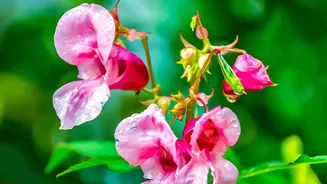
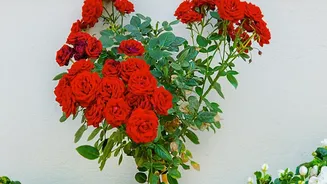
Not all plants enjoy a daily downpour. Success lies in choosing species that thrive in these specific conditions. Flowering plants like Balsam, Marigold, Hibiscus, and Jasmine are excellent choices, bursting into colour and fragrance during the rains. Fragrant Mogra and the vibrant Rangoon Creeper (Madhumalti) also perform beautifully. For those who prefer lush foliage, ferns, money plants, and areca palms love the high humidity. It's equally important to know which plants to protect. Succulents, cacti, and jade plants can easily rot and should be moved under cover.
The Art of Potting and Placement
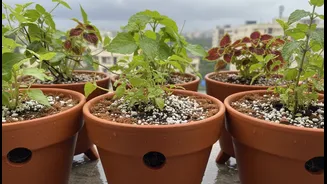
In a balcony garden, your pots are your plots. Terracotta pots are a great choice as their porous nature allows soil to breathe. Regardless of material, ensure every pot has clear drainage holes to prevent waterlogging, the number one enemy of container plants. Using a lightweight, well-draining potting mix is crucial. A combination of garden soil, cocopeat, and compost is ideal, as it provides nutrients without becoming heavy and saturated. To maximize space, think vertically. Use hanging planters, wall-mounted shelves, and railings to create layers of green without cluttering your floor space.
Managing the Deluge: Water and Drainage
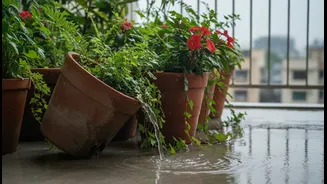
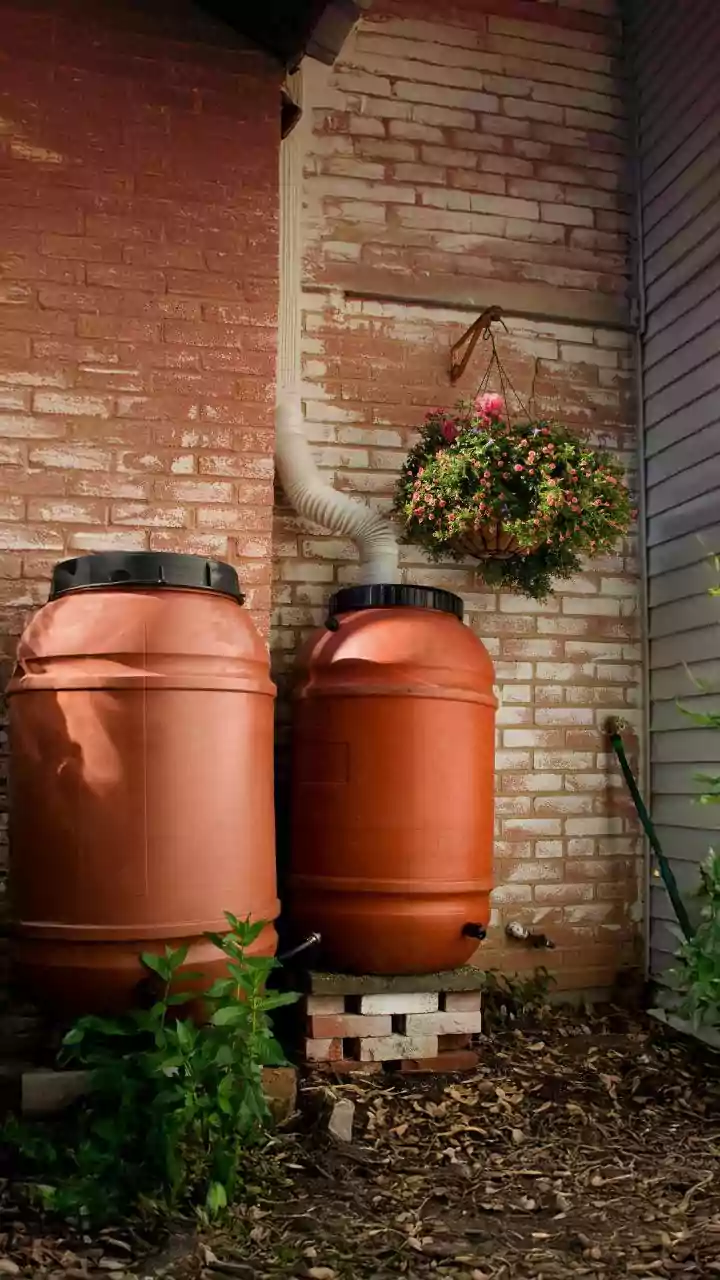
Ironically, the biggest challenge in a monsoon garden is water management. While the rain is a blessing, too much can lead to root rot. The cardinal rule is to water only when needed. Check the top inch or two of the soil; if it feels dry, then it's time to water. On days with heavy rain, your plants won't need anything extra. Elevating your pots on stands or bricks can significantly improve drainage, allowing excess water to escape freely and preventing your plants from sitting in a puddle. It’s also vital to empty any saucers or trays under the pots, as stagnant water is a breeding ground for mosquitoes.
Pest Patrol in a Humid Climate
The high humidity of the monsoon also creates a welcoming environment for pests and fungal diseases. Snails, slugs, aphids, and mealybugs become more active during this time. Regular inspection is your best defence. Check under leaves and around new shoots for any signs of infestation. Promoting good air circulation by not overcrowding plants can prevent many fungal issues like powdery mildew. For a safe and organic solution, a simple spray made of neem oil, liquid soap, and water, applied every 10-15 days, can keep most common pests at bay.
More Than Just Flowers
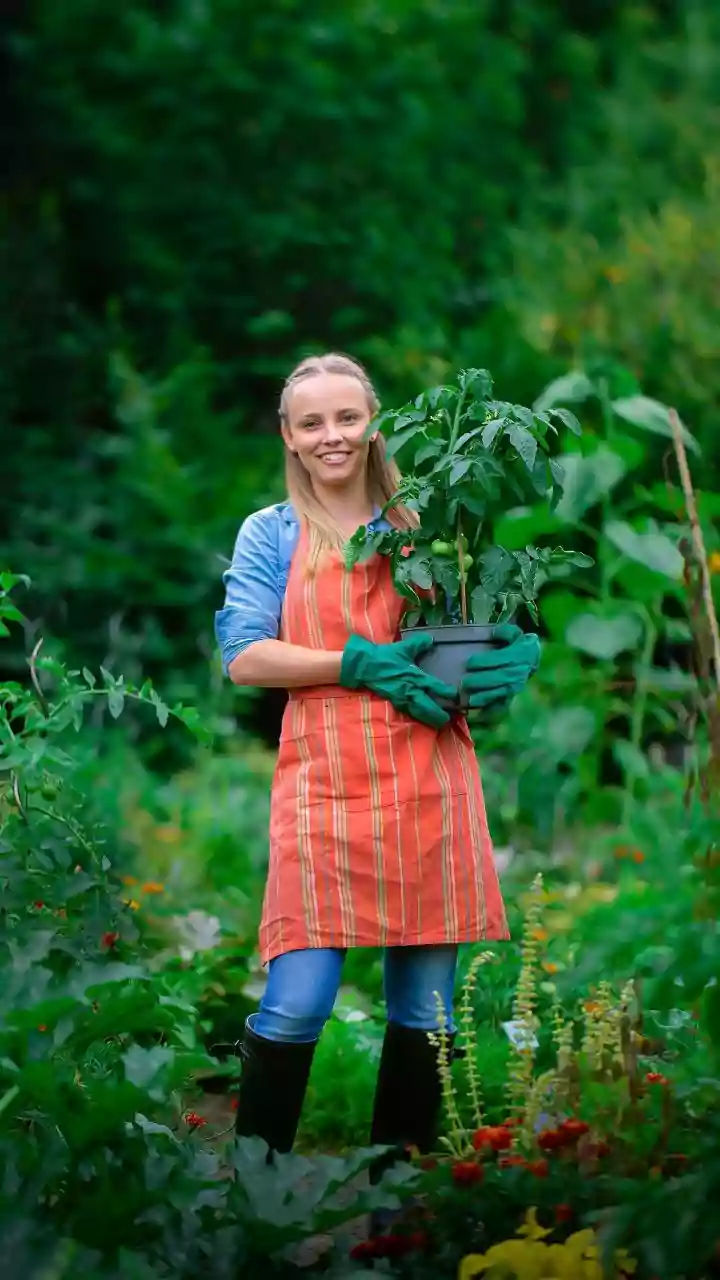
Your monsoon balcony garden can be edible too. The season is perfect for growing a variety of Indian kitchen staples. Herbs like mint, coriander, and tulsi thrive in pots. You can also easily grow leafy greens like spinach (palak) and amaranth (chaulai). Vegetables like okra (bhindi), chillies, and even certain types of gourds like bitter gourd (karela) can be grown in large containers with proper support, providing a fresh, homegrown harvest right at your doorstep.