





More Than Just Green Lungs
For years, the conversation around urban green spaces in India has been dominated by their environmental benefits: fighting pollution, reducing the urban heat island effect, and preserving biodiversity. These are undeniably crucial. However, this focus
often overshadows an equally vital function: their role as social infrastructure. In cities where apartments are shrinking and public life is increasingly privatised or lived online, parks serve as 'third places'—neutral grounds separate from home and work where people can gather, interact, and build community ties. They are one of the last remaining spaces where chance encounters can flourish, laying the groundwork for a more connected and resilient society.
The Neighbourhood's True Melting Pot
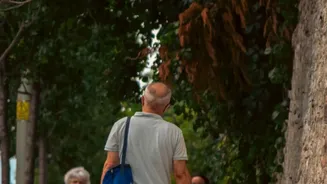
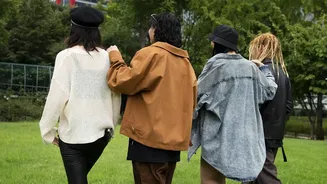
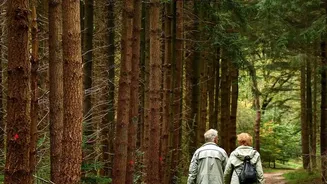
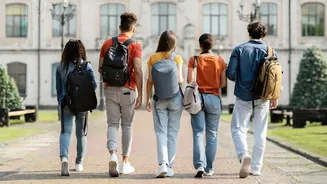
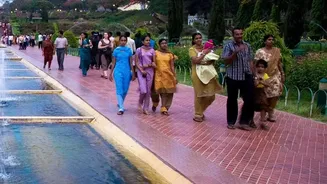
A well-maintained local park is a rare platform for spontaneous, cross-generational, and cross-class interaction. In the early mornings, they belong to senior citizens, forming disciplined walking clubs and laughter circles. Afternoons see caregivers and toddlers gathering, while evenings are a chaotic, joyful mix of children playing cricket, teenagers socialising, and professionals decompressing after a long day. This unplanned mixing of people from different walks of life, who might otherwise never interact in a highly stratified urban environment, fosters a sense of shared identity and mutual understanding. It breaks down social barriers in a way that malls or exclusive clubs simply cannot, creating a microcosm of a more integrated community.
A Stage for Culture and Community
Local parks are not just passive recreational areas; they are active stages for cultural life. They transform into vibrant hubs during festivals, hosting everything from Durga Puja pandals in Kolkata to local Ramlila performances in Delhi. They provide space for impromptu musical gatherings, neighbourhood association meetings, and public art installations. These shared experiences strengthen community bonds and reinforce a collective cultural identity. In an urban landscape that can often feel anonymous, these events turn a simple park into a place rich with shared memories and meaning for its residents, cultivating a powerful sense of belonging.
An Antidote to Urban Loneliness
The mental health benefits of green spaces are well-documented, with studies showing that access to parks can reduce stress and depression. In India, research highlights that physical activities in parks directly enhance mental well-being. But beyond the calming effect of nature, it is the social dimension of park life that offers a powerful antidote to the growing epidemic of urban loneliness. Engaging in group activities like yoga or simply sharing a bench with a familiar face provides moments of connection that are essential for mental wellness. These small, daily interactions build a subtle but strong safety net of community, reminding us that we are part of something larger than ourselves.
The Challenge of Preservation
Despite their clear importance, public parks in Indian metros face constant threats. Many are poorly maintained, while others fall victim to encroachment or are repurposed for infrastructure projects. A study in Mumbai, for instance, found that only 30% of designated open spaces in two major wards were actually accessible and usable for recreation. For parks to fulfill their social potential, they must be safe, clean, and inclusive. This requires consistent investment from municipal bodies, active participation from residents' welfare associations (RWAs), and a fundamental shift in urban planning that sees parks not as disposable land, but as essential public infrastructure, as vital as roads and utilities.