


Getting Started: Visa and Flights
For Indian travellers, getting to Sri Lanka is refreshingly simple. As of 2026, the Electronic Travel Authorization (ETA) required for entry is often offered free of charge, though it's essential to apply online via the official government portal before
you travel. While some sources mention a fee of around $25 for SAARC nations, several have confirmed the free ETA for Indians, so always check the official site for the latest update. Flights from major Indian cities like Chennai, Bengaluru, and Mumbai to Colombo's Bandaranaike International Airport (CMB) are short and frequent. Booking a few months in advance can secure return fares that fit a budget-conscious plan.
Your Budget Breakdown
Sri Lanka is famously friendly to budget travellers. A daily budget of ₹2,500–₹4,000 (around $30-50) per person is realistic for a comfortable yet cost-effective trip. Accommodation in guesthouses and homestays can range from ₹800–₹1,500 per night. Food is another area where you can save; eating at local eateries, known as 'kades', will cost you as little as ₹300-₹600 for a delicious rice and curry meal. Public transport like buses and trains is incredibly cheap, with most intercity journeys costing less than a few hundred rupees. Your main expenses will be entry fees to sites and any special tours.
Day 1-2: Historical Kandy
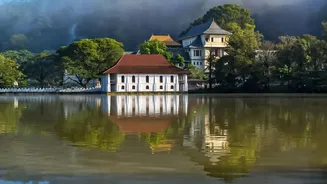
Upon arrival in Colombo, skip the city and head straight to the cultural heart of Sri Lanka: Kandy. You can take a train or a bus, both of which are affordable options. Settle into your guesthouse and spend the evening strolling around the serene Kandy Lake. Your second day is for exploring the city's main attraction, the Temple of the Sacred Tooth Relic (Sri Dalada Maligawa). The entrance fee for tourists from SAARC countries is around 1,500 LKR. In the evening, consider watching a traditional Kandyan dance performance for a vibrant cultural experience.
Day 3: The Journey to the Coast
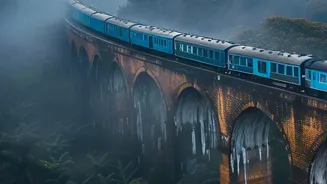
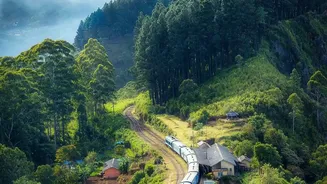
Today is all about the journey. While the Kandy to Ella train is more famous, the route towards the coast is also scenic. Take a morning train from Kandy to Colombo Fort, then switch to a coastal line train heading towards Matara, getting off at Mirissa. This full day of travel allows you to witness the dramatic change in landscape from the lush hills to the palm-fringed coastline. Train travel in Sri Lanka is an experience in itself and one of the best ways to see the country and interact with locals. Be sure to book your tickets in advance if you want a reserved seat.
Day 4-5: Mirissa’s Beaches and Whales
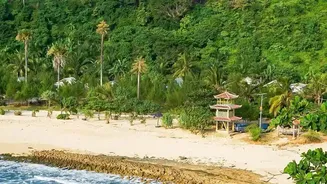
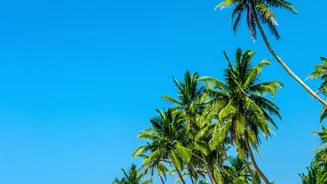
Wake up to the sound of waves in Mirissa. Spend your fourth day exploring the area's beautiful beaches. A walk to the iconic Coconut Tree Hill for sunrise or sunset is a must-do and completely free. On day five, embark on one of Mirissa's most famous activities: whale watching. The peak season runs from November to April, when you have the best chance of spotting blue whales. Tours typically cost around $60 per person, including a government tax, and set out early in the morning. It's a significant splurge on a budget trip, but many find the experience of seeing the world's largest animal to be priceless.
Day 6: Last Taste of the Coast & Departure
On your final day, enjoy a leisurely morning in Mirissa. You can try a surf lesson in nearby Weligama, visit the famous stilt fishermen, or simply relax on the beach with a fresh king coconut. From Mirissa, it's a 4 to 5-hour journey back to Bandaranaike International Airport (CMB) near Colombo. You can take a combination of train and bus or opt for a shared taxi for a more direct route, ensuring you have enough time to catch your flight back home, filled with memories of an incredible and affordable Sri Lankan adventure.