
A Tradition of Efficiency
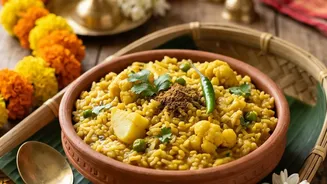
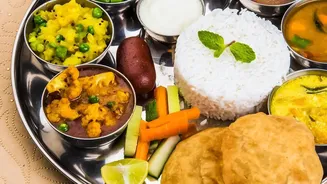
Long before it became a trendy hashtag, one-pot cooking was a cornerstone of Indian kitchens. Dishes like khichdi, a comforting mix of rice and lentils, have been staples for centuries, born from a need for efficiency in time, fuel, and utensils. This
tradition proves that combining grains, legumes, and vegetables in a single vessel is not a modern shortcut but a time-honoured technique for creating satisfying and nutritionally balanced meals. From Khichdi and Pulao to Tehri, these dishes showcase the resourcefulness of the Indian kitchen, proving a nourishing meal doesn't require elaborate preparation.
The Magic of Melded Flavours
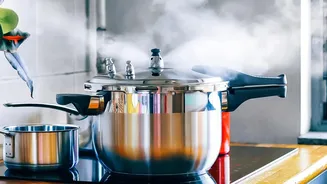
The true genius of one-pot Indian cooking lies in flavour development. When you cook everything together in a closed environment like a pressure cooker or a heavy-bottomed pot, nothing escapes. The process usually starts by blooming whole spices in hot oil or ghee, followed by sautéing aromatics like onions, ginger, and garlic. This creates a flavour base that gets absorbed by every other ingredient. As the lentils, rice, and vegetables cook, they release their own starches and sugars, mingling with the spices to create a depth of flavour that is difficult to achieve when components are cooked separately. The steam traps the aroma, infusing the entire dish with a rich, complex taste.
Perfect Partners: Lentils, Rice, and Steam
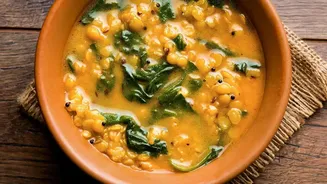
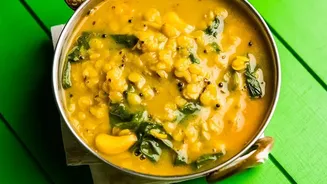
Rice and lentils are a nutritional powerhouse, forming a complete protein when eaten together. In a one-pot meal, they are also perfect cooking partners. The key is managing the different cooking times. Soaking harder legumes like chickpeas or kidney beans beforehand is a common practice. For dishes like khichdi, using quick-cooking lentils like moong dal allows them to break down and create a creamy texture that beautifully coats the rice. The starches released from both the rice and lentils help to thicken the dish naturally, while the controlled amount of water and trapped steam ensures everything cooks to tender perfection without becoming mushy. This synergy is fundamental to why these staples work so well in a single pot.
Vegetables as Flavour and Moisture Contributors
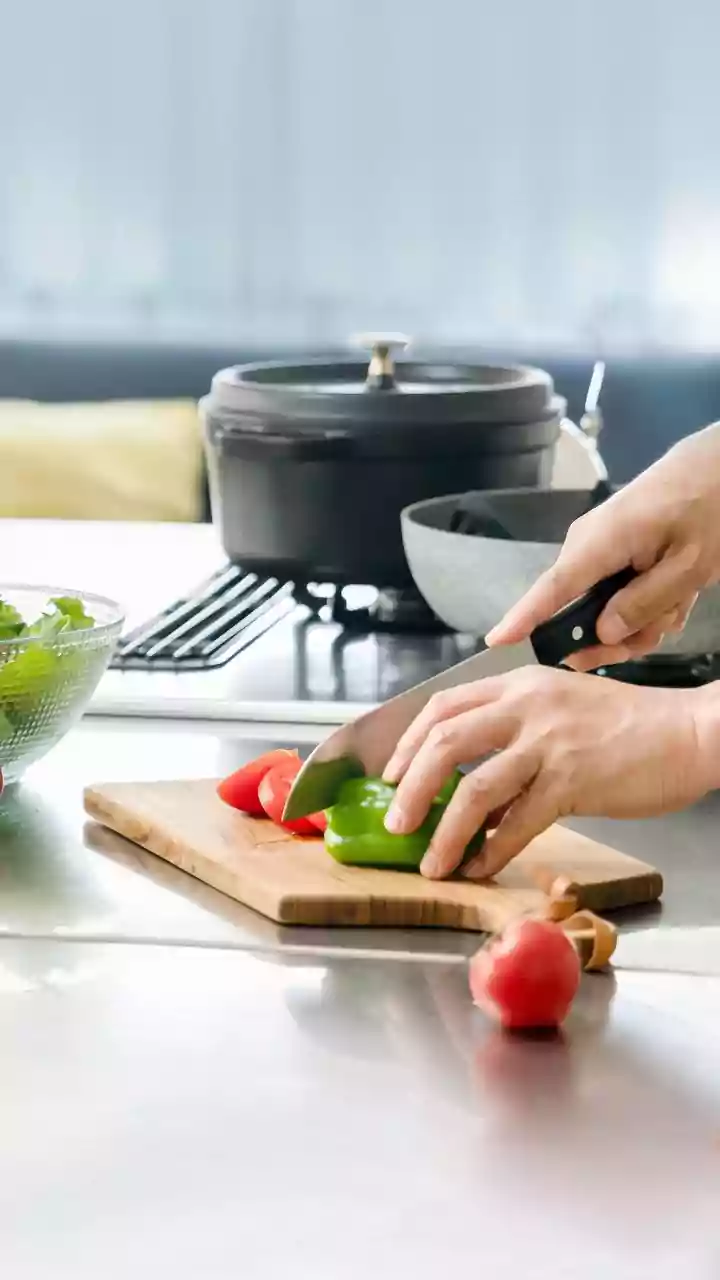
Vegetables are not just for nutrition; in a one-pot meal, they play a crucial role in flavour and texture. Hardy vegetables like carrots and potatoes are often added earlier in the cooking process, allowing them to soften and absorb the spicy broth. Softer vegetables like peas, spinach, or bell peppers are typically added towards the end to retain some of their texture and freshness. As they cook, vegetables release water, contributing to the overall liquid content of the pot and adding their subtle sweetness to the mix. This makes the final dish more dynamic and is an excellent way to incorporate more vegetables into your diet.
Tips for One-Pot Success
To master the one-pot Indian meal, a few tips can make all the difference. Always use a heavy-bottomed pot or a pressure cooker to prevent ingredients from sticking and burning. Pay close attention to the water ratio; since the lid is on, there's less evaporation. Layering your ingredients is also crucial: start with proteins and grains that take longer to cook, and add quick-cooking vegetables later. And don't add dairy products like yogurt or cream until the end, after the heat is lowered, to prevent curdling. Finally, using pre-made pastes like ginger-garlic can be a great time-saver that instantly boosts flavour.