








Why Go Light This Monsoon?
The romance of the monsoon often comes with a practical health challenge. According to both modern nutrition and ancient Ayurvedic wisdom, our digestive fire, or 'agni', is naturally weaker during this season. The high humidity can slow down metabolism,
making heavy, oily foods difficult to process. This can lead to indigestion, bloating, and a general feeling of lethargy. Furthermore, the monsoon is a peak season for water-borne diseases and infections. A diet that is light, warm, and easy to digest frees up your body's energy to focus on what matters most: strengthening your immunity. It’s not about restriction; it’s about working in harmony with the season and supporting your body's natural defences.
Embrace These Monsoon Superfoods
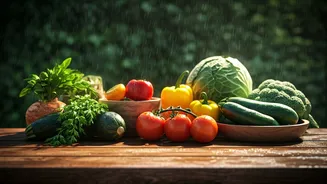
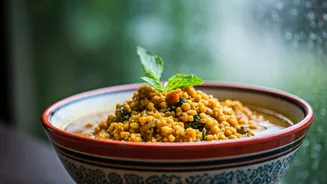
Building a monsoon-friendly plate is simpler than you think. Focus on foods that are nourishing and easy on the gut. Warm soups are a perfect choice, whether it's a simple moong dal soup, a hearty mixed vegetable broth, or a tangy tomato shorba. Steamed foods are your best friend; think fluffy idlis, savoury dhoklas, or even vegetable-stuffed momos. Incorporate vegetables like lauki (bottle gourd), turai (ridge gourd), and parwal (pointed gourd), which are high in fibre and easy to digest. Spices play a crucial role as well. Ginger, garlic, turmeric, black pepper, and hing (asafoetida) not only add flavour but also have anti-inflammatory and anti-bacterial properties that are particularly beneficial during this time.
The Classics, Reimagined
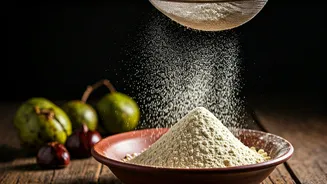
The craving for a crispy bhajiya or a hot samosa when it's pouring outside is almost a primal instinct. The good news is you don't have to give them up entirely. This new approach is about smart modifications. Instead of deep-frying, consider using an air fryer or baking your pakoras and samosas. You’ll get that satisfying crunch with a fraction of the oil. Experiment with different flours for your batter; besan (chickpea flour) is a classic, but flours made from moong dal or oats can offer a lighter, protein-rich alternative. You can also pack your snacks with more vegetables, like finely grated carrots or cabbage, to increase their nutritional value. It’s the same comfort, just with a cleaner, healthier twist.
Smart Sips for Rainy Days
What you drink is just as important as what you eat. Staying hydrated is key to flushing out toxins, but cold, iced beverages can dampen the digestive fire. Instead, opt for warm or room-temperature drinks. A simple glass of warm water with a squeeze of lemon and a pinch of honey can work wonders for your morning routine. Throughout the day, sip on herbal teas. A freshly brewed concoction of tulsi, ginger, and mint is not only soothing but also excellent for warding off colds and coughs. A simple 'kadha' made with common kitchen spices is another fantastic way to boost immunity. These warm beverages provide comfort, aid digestion, and keep you hydrated without putting stress on your system.
Foods to Approach with Caution
Just as there are foods to embrace, there are some to be mindful of during the monsoon. The high moisture content in the air makes raw foods, especially leafy green vegetables like spinach and cabbage, more susceptible to germs and bacteria. If you do eat them, ensure they are washed thoroughly, preferably in lukewarm water with a pinch of salt. It's also wise to be cautious with street food, particularly items like chaat and pre-cut fruits, where the hygiene standards of the water used can be uncertain. Heavy dairy products like cheese and rich curries can be hard to digest, so consuming them in moderation is a good idea. The goal is to reduce the load on your digestive system and minimise the risk of infection.