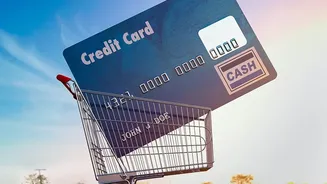








The Psychology of Festive Overspending
From Diwali to Christmas, the festive period is a whirlwind of emotion. We are driven by a desire to show love, recreate nostalgic memories, and participate in social traditions. Retailers understand this perfectly. They create an environment of urgency
with limited-time sales, countdown timers, and enticing discount banners that are hard to resist. This high-pressure atmosphere, combined with the emotional 'warm glow' we get from giving, makes it easy to make impulse purchases. We often feel a social obligation to spend on gifts, decorations, and lavish meals, leading us to justify expenses with a 'once-a-year' mentality that can quickly spiral into debt.
Introducing the Wishlist Delay
The 'wishlist delay' is not about deprivation; it's about intentionality. It's a simple technique where you introduce a mandatory waiting period between the moment you want to buy something and the moment you actually purchase it. Instead of immediately adding an item to your cart—whether online or in a store—you add it to a dedicated wishlist. This list becomes your cooling-off zone, a deliberate pause button that separates the emotional urge to buy from the logical decision to spend. The goal is to give yourself time to evaluate whether the purchase is a genuine need or a fleeting want triggered by festive hype.
Step 1: Create Your Master Wishlist
The first step is to create a comprehensive list of everything you think you want or need for the festive season. This includes gifts for family and friends, new clothes, home decor, electronics, and special groceries. Use a notebook, a notes app on your phone, or a dedicated wishlist app. Be specific. Instead of just 'gift for sibling', write down the actual item idea. Next to each item, note its estimated cost. This exercise isn't a commitment to buy; it's a brain dump that helps you see the total potential cost of your festive desires all in one place.
Step 2: Enforce a Cooling-Off Period
This is the 'delay' at the heart of the strategy. Once an item is on your list, commit to a mandatory waiting period before you can buy it. A 7-day or 14-day rule is effective for most items. For bigger, more expensive purchases, you might extend this to 30 days. During this time, resist the urge to buy. The purpose of this cooling-off period is to let the initial excitement and emotional impulse fade. You'll find that the urgency created by a 'flash sale' often disappears when you give yourself permission to wait. This simple act of patience is your strongest defence against impulse spending.
Step 3: Revisit, Prioritise, and Edit
After the cooling-off period has passed, it’s time to review your wishlist with a clear head. Go through each item and ask yourself: 'Do I still want this as much as I did a week ago?' You'll often find that the desire for many items has vanished completely. Now, you can edit your list ruthlessly. Cross off the items that no longer feel important. For the remaining items, prioritise them into 'needs' and 'wants'. This process helps you focus your budget on the things that will bring genuine value and joy, rather than those bought on a whim. This is also the perfect time to compare prices across different stores or websites to ensure you're getting the best deal for the items you've decided are truly worth buying.
The Financial and Mental Benefits
Implementing a wishlist delay does more than just save you money. It transforms your relationship with spending. By building a pause into your purchasing habits, you cultivate mindfulness and intentionality. You move from being a reactive shopper, swayed by marketing and emotion, to a proactive planner who is in control of their finances. This strategy significantly reduces, or even eliminates, buyer's remorse. You end the festive season feeling happy and fulfilled, not stressed about the credit card bills that will arrive in the new year. It ensures your celebrations are remembered for the joy they brought, not the debt they created.